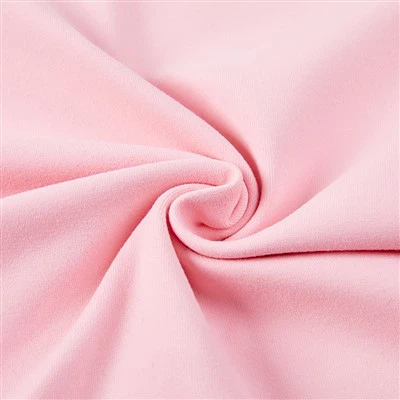
Hey there, fellow yoga enthusiasts and fashion-forward folks! As a supplier of Yoga Leggings Fabric, I've seen firsthand how the fabric of yoga leggings can have a huge impact on their price. In this blog post, I'm gonna break down the different factors related to the fabric that affect the cost of those awesome yoga leggings you love to wear.
Quality of Raw Materials
Let's start with the raw materials. The type of fibers used in yoga leggings fabric is a major price - determining factor. High - end fabrics often use premium synthetic fibers like nylon and spandex. Nylon is known for its strength and durability. It can withstand a lot of stretching and bending without losing its shape, which is crucial for yoga poses that require a lot of movement. Spandex, on the other hand, gives the leggings that amazing stretch and recovery. It hugs your body perfectly and then snaps back into place, no matter how many times you move.
When these fibers are of top - notch quality, they cost more. For example, some high - grade nylon has a special treatment that makes it more resistant to abrasion and pilling. This means your leggings will last longer, but it also adds to the production cost.
On the other hand, cheaper fabrics might use lower - quality synthetic fibers or a higher proportion of natural fibers like cotton. While cotton is soft and breathable, it doesn't have the same stretch and recovery as synthetic fibers. So, if you see yoga leggings made mostly of cotton, they're likely to be less expensive, but they might not perform as well during a rigorous yoga session.
Manufacturing Process
The way the fabric is made also plays a big role in the price. High - quality yoga leggings fabric often goes through a more complex manufacturing process. For instance, there's a technique called circular knitting, which creates a seamless tube of fabric. This results in a more comfortable fit as there are no seams to rub against your skin. Seamless leggings are also more aesthetically pleasing as they have a smooth appearance.
However, circular knitting machines are expensive to operate, and the process requires skilled workers. This drives up the cost of production, and ultimately, the price of the leggings.
In addition, some fabrics undergo special treatments like moisture - wicking finishes. These treatments help to keep you dry during your yoga practice by pulling sweat away from your skin. Creating these finishes involves using special chemicals and processes, which again, add to the cost.
Fabric Weight and Thickness
The weight and thickness of the fabric matter too. A thicker fabric generally costs more. Thicker yoga leggings fabric provides more coverage and support. It can also be more opaque, which is a big plus for many people as it gives them more confidence during their yoga practice.
For example, a thick, high - quality fabric might be used for winter yoga leggings. It keeps you warm and provides a certain level of compression, which can be beneficial for your muscles. But producing a thicker fabric requires more raw materials, and it can be more difficult to work with during the manufacturing process.
On the other hand, thinner fabrics are lighter and more breathable. They're great for hot yoga classes or for those who prefer a more lightweight feel. But they're usually less expensive because they use less material.
Brand and Reputation
Let's not forget about brand and reputation. Well - known brands that are associated with high - quality yoga leggings often charge more for their products. These brands have invested a lot in research and development to create the perfect fabric for yoga. They also have a reputation to uphold, so they use only the best materials and manufacturing processes.
When you buy from a well - established brand, you're not just paying for the leggings themselves. You're also paying for the brand's name and the assurance of quality. However, as a Yoga Leggings Fabric supplier, I know that there are also many smaller brands and manufacturers that can offer great - quality fabric at a more affordable price. You just need to do your research.
Design and Innovation
Fabric design and innovation can also affect the price. Some yoga leggings fabrics have unique patterns or textures. For example, there are fabrics with a geometric print that not only looks cool but also has some functional benefits. These patterns can be created through special printing techniques, which add to the production cost.
In addition, there's a lot of innovation in the yoga leggings fabric industry. Some fabrics are designed to be anti - odor, which is great for those long yoga sessions. Others have a UV - protection feature, which is useful if you like to practice yoga outdoors. These innovative features require research and development, and that cost is passed on to the consumer.


Color and Dyeing
The color of the yoga leggings fabric and the dyeing process can influence the price. Bright and bold colors are often more expensive because they require more dye and a more complex dyeing process. Some dyes are also more expensive because they're more color - fast, meaning they won't fade easily after multiple washes.
On the other hand, neutral colors like black, gray, and white are usually less expensive. They require less dye, and the dyeing process is generally simpler.
Environmental Impact
In recent years, there's been a growing demand for eco - friendly yoga leggings fabric. Fabrics made from recycled materials or produced using sustainable manufacturing processes are becoming more popular. However, these eco - friendly options often come with a higher price tag.
Producing recycled fabric requires special equipment and processes to break down and reuse materials. And sustainable manufacturing might involve using less energy and water, which can increase the cost of production. But for many consumers, the environmental benefits are worth the extra cost.
Conclusion
So, as you can see, there are many factors related to the fabric that affect the price of yoga leggings. From the quality of raw materials to the manufacturing process, fabric weight, brand, design, color, and environmental impact, each aspect plays a role in determining how much you'll pay for those perfect yoga leggings.
If you're in the market for Yoga Leggings Fabric, whether you're a manufacturer looking to create your own line of yoga leggings or a retailer wanting to stock high - quality products, I'm here to help. I offer a wide range of fabrics, from Tights Fabric to Comfortable Yoga Pants Fabric, at competitive prices. I can provide you with samples so you can feel the quality for yourself.
If you're interested in discussing your fabric needs, don't hesitate to reach out. Let's work together to find the perfect fabric for your yoga leggings.
References
- Textile Institute. Handbook of Textile Fibres. Woodhead Publishing, 2015.
- The Fashion Industry Association. Trends in Activewear Fabric. 2020 Report.