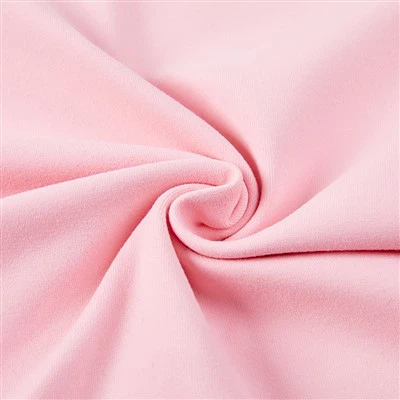
As a supplier of nylon spandex fabric, I've witnessed firsthand the diverse applications and unique properties of this remarkable material. One question that often arises is about its light - blocking properties. In this blog, we'll explore the factors that influence the light - blocking ability of nylon spandex fabric, its applications in various industries, and how it compares to other fabrics in this regard.
Understanding Nylon Spandex Fabric
Nylon spandex fabric is a blend of nylon and spandex fibers. Nylon is known for its strength, durability, and abrasion resistance. It has a smooth texture and is relatively lightweight. Spandex, on the other hand, is famous for its exceptional elasticity. When these two fibers are combined, the resulting fabric offers the best of both worlds: strength and stretch.
There are different types of nylon spandex fabrics available in the market, such as Nylon Spandex Elastic Mesh Fabric, Nylon Spandex Mesh Fabric, and Knitted Nylon - spandex Fabric. Each type has its own unique characteristics and may vary in terms of light - blocking properties.
Factors Affecting Light - Blocking Properties
Fabric Density
The density of the nylon spandex fabric plays a crucial role in its light - blocking ability. A denser fabric with a higher thread count will generally block more light. When the fibers are tightly packed together, there are fewer gaps for light to pass through. For example, a knitted nylon spandex fabric with a fine gauge and a high stitch density will be more effective at blocking light compared to a more open - weave mesh fabric.
Color
The color of the fabric also has a significant impact on its light - blocking properties. Darker colors, such as black, navy, and charcoal, absorb more light and are better at blocking it. Lighter colors, like white or pastel shades, reflect more light and allow more light to pass through. This is because the pigments in darker colors have a greater ability to absorb photons of light, preventing them from passing through the fabric.


Coating and Treatments
Some nylon spandex fabrics may be treated with special coatings or finishes to enhance their light - blocking properties. For instance, a fabric can be coated with a light - absorbing polymer or a metallic layer. These coatings can significantly reduce the amount of light that passes through the fabric. Additionally, treatments like dyeing the fabric with light - blocking dyes can also improve its performance in this area.
Applications Based on Light - Blocking Properties
Apparel
In the apparel industry, light - blocking nylon spandex fabric is used in various applications. For example, in sportswear, especially for activities that require privacy or protection from the sun, such as yoga or cycling. Dark - colored, light - blocking nylon spandex leggings can provide a sense of privacy while also protecting the skin from harmful UV rays. In the lingerie industry, light - blocking fabric can be used to create opaque bras and panties, adding an element of modesty.
Home Furnishings
Nylon spandex fabric with good light - blocking properties is also used in home furnishings. It can be used to make curtains or blinds. For bedrooms or media rooms where light control is essential, a light - blocking nylon spandex curtain can effectively block out sunlight during the day or prevent light from escaping at night. The stretchy nature of the fabric also allows for easy installation and a smooth appearance.
Automotive Interiors
In the automotive industry, light - blocking nylon spandex fabric can be used for seat covers, sun visors, and headliners. It helps to reduce the amount of sunlight entering the vehicle, which in turn can lower the interior temperature and protect the vehicle's interior from fading. The durability of nylon and the elasticity of spandex make it a suitable choice for these applications, as it can withstand the wear and tear of daily use.
Comparison with Other Fabrics
When compared to other fabrics, nylon spandex has some unique advantages in terms of light - blocking properties. For example, compared to cotton, nylon spandex can be made denser and more tightly woven, which generally results in better light - blocking. Cotton is a more breathable fabric, but it may not be as effective at blocking light, especially in lighter weights.
Polyester is another fabric that is often used for light - blocking applications. While polyester can also be made to block light effectively, nylon spandex offers the added benefit of stretch. This stretchability makes it more comfortable to wear and easier to fit into different shapes and sizes, which is particularly important in apparel and automotive applications.
Testing and Measuring Light - Blocking Properties
To accurately measure the light - blocking properties of nylon spandex fabric, several methods can be used. One common method is the use of a light meter. A light meter measures the amount of light that passes through the fabric. The fabric is placed between a light source and the light meter, and the difference in light intensity before and after passing through the fabric is measured.
Another method is the use of spectrophotometry. This technique measures the absorption and transmission of light at different wavelengths. It can provide detailed information about how the fabric interacts with different types of light, such as visible light, ultraviolet light, and infrared light.
Conclusion
In conclusion, the light - blocking properties of nylon spandex fabric are influenced by factors such as fabric density, color, and coating. This fabric has a wide range of applications in apparel, home furnishings, and automotive interiors, thanks to its unique combination of strength, stretch, and light - blocking ability.
If you're interested in sourcing high - quality nylon spandex fabric with excellent light - blocking properties, we'd love to have a discussion with you. Whether you're a clothing manufacturer, a home decorator, or an automotive parts supplier, we can provide you with the right fabric to meet your specific needs. Contact us to start a procurement discussion and explore the possibilities of using our nylon spandex fabric in your projects.
References
- Textile Institute. "Handbook of Textile Fibres." Woodhead Publishing, 2018.
- ASTM International. "Standard Test Methods for Measuring Light Transmission Through Fabrics." ASTM D1746 - 18.
- Journal of Applied Polymer Science. "Light - Blocking Properties of Textile Fabrics: A Review." Volume 135, Issue 12, 2018.