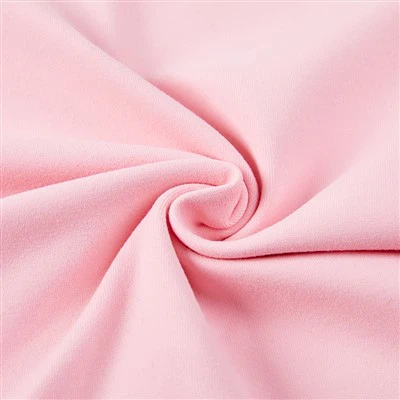
Introduction to Yoga Leggings Fabric
Yoga leggings fabric is a specialized type of textile designed to meet the unique demands of yoga practitioners and fitness enthusiasts. It combines functionality, comfort, and durability to provide an ideal experience during physical activities.
Typically, yoga leggings fabric is known for its stretchability, which allows for a full range of motion without restrictions. This stretchability is often achieved through the use of elastane (also known as spandex or Lycra) blended with other fibers such as polyester or nylon. The blend not only provides elasticity but also enhances the fabric's strength and resistance to wear and tear.
Another important characteristic of yoga leggings fabric is its moisture - wicking ability. During yoga sessions or other workouts, the body sweats, and the fabric needs to quickly draw moisture away from the skin to keep the wearer dry and comfortable. This helps prevent the growth of bacteria and unpleasant odors.
In addition, the fabric should have good breathability, allowing air to circulate freely through the material. This helps regulate body temperature and reduces the feeling of overheating. Some yoga leggings fabrics also have added features like anti - microbial properties, UV protection, and a smooth, non - irritating finish.
Top 10 Yoga Leggings Fabric Factories
1. Haining Silaite Textile Co., Ltd.
Haining Silaite Textile Co., Ltd. is a leading player in the yoga leggings fabric industry. Based in Haining, a well - known textile hub in China, the company has been dedicated to the research, development, and production of high - quality fabrics for many years.
The company has a state - of the art production facility equipped with advanced machinery and technology. This allows them to produce a wide range of yoga leggings fabrics with different textures, colors, and performance features. Their R & D team is constantly exploring new materials and production techniques to stay ahead in the market.
One of the key strengths of Haining Silaite Textile Co., Ltd. is its commitment to quality control. They have a strict quality management system in place, from the selection of raw materials to the final inspection of finished products. This ensures that every roll of fabric meets the highest standards of quality and performance.
In terms of fabric characteristics for yoga leggings, their fabrics are highly stretchable, providing a perfect fit and allowing for unrestricted movement during yoga poses. The moisture - wicking property is excellent, keeping the wearer dry even during intense workouts. The fabrics are also breathable, with a soft and smooth texture that feels comfortable against the skin.
The company offers a wide range of customization options. They can produce fabrics in different weights, thicknesses, and patterns according to the specific requirements of their customers. Whether it's a small - scale order for a startup brand or a large - scale production for a well - established company, Haining Silaite Textile Co., Ltd. can meet the needs.Website: https://www.slttextile.com/
2. Milliken & Company
Milliken & Company is a global diversified manufacturer with a long - standing reputation in the textile industry. With a history dating back over 150 years, the company has a wealth of experience and expertise in developing high - performance fabrics.
In the realm of yoga leggings fabric, Milliken has made significant contributions. They have a dedicated team of scientists and researchers who work on developing innovative materials. For example, they have developed fabrics with enhanced stretch recovery properties. This means that even after repeated stretching during yoga sessions, the fabric will quickly return to its original shape, maintaining a sleek and flattering look on the wearer.
Milliken's fabrics are also known for their excellent colorfastness. The dyes used in the production process are of high quality, ensuring that the colors of the yoga leggings remain vibrant even after multiple washes. This is a crucial feature for consumers who want their leggings to look good for a long time.
The company's commitment to sustainability is another major advantage. They use eco - friendly production processes and source raw materials responsibly. Their yoga leggings fabrics are often made from recycled materials, which not only reduces environmental impact but also appeals to the growing number of environmentally conscious consumers.
In addition, Milliken offers a wide range of fabric finishes. Some of their fabrics have a matte finish, which gives a more sophisticated look, while others have a shiny finish for a more trendy appearance. They also provide technical finishes such as anti - static and stain - resistant properties, adding to the functionality of the yoga leggings.
3. Toray Industries, Inc.
Toray Industries, Inc. is a Japanese multinational corporation that is a leader in the field of advanced materials. In the context of yoga leggings fabric, Toray brings its cutting - edge technology to the table.
One of the remarkable features of Toray's yoga leggings fabrics is their use of microfiber technology. Microfibers are extremely fine, which results in a fabric that is incredibly soft and smooth. The fabric feels like a second skin on the wearer, providing maximum comfort during yoga practice.
Toray's fabrics also have excellent moisture management capabilities. Their unique fiber structure allows for rapid absorption and evaporation of sweat, keeping the body dry and cool. This is particularly important during hot yoga sessions or intense workouts.
The company is also known for its high - strength fabrics. The yoga leggings made from Toray's fabrics are durable and resistant to abrasion. This means that they can withstand the rigors of regular use and multiple washes without losing their shape or quality.
Toray is at the forefront of innovation in the textile industry. They are constantly researching and developing new materials and production methods. For example, they are exploring the use of smart fibers that can sense and respond to the body's needs, such as adjusting the fabric's breathability based on the body's temperature.
4. Invista
Invista is a global leader in nylon, spandex, and polyester fibers. Their products are widely used in the production of yoga leggings fabric.
The spandex fibers produced by Invista, under the brand name Lycra, are world - renowned for their superior stretch and recovery properties. When incorporated into yoga leggings fabric, it provides a high level of flexibility and a snug fit. The fabric can stretch up to several times its original length and still return to its original shape, ensuring a flattering and comfortable fit for the wearer.
Invista also focuses on the durability of its fibers. Their nylon and polyester fibers are strong and resistant to pilling and abrasion. This means that the yoga leggings made from their fabrics will last longer, even with frequent use.
In addition to performance, Invista is also concerned with the aesthetics of the fabric. Their fibers can be dyed in a wide range of colors, allowing for a diverse selection of yoga leggings styles. The colors are bright and long - lasting, adding to the visual appeal of the products.
The company has a global research and development network. They work closely with fabric manufacturers and brand owners to develop new and improved products that meet the evolving needs of the market. For example, they are constantly looking for ways to enhance the comfort and performance of their fibers while reducing the environmental impact of production.
5. Teijin Limited
Teijin Limited is a Japanese company that specializes in high - performance materials. In the area of yoga leggings fabric, they offer a range of innovative solutions.
One of the key features of Teijin's fabrics is their light - weight nature. The yoga leggings made from their fabrics are incredibly lightweight, which provides a feeling of freedom and ease of movement during yoga practice. This is especially beneficial for poses that require quick and fluid movements.
Teijin's fabrics also have excellent heat and moisture regulation properties. They can keep the body warm in cold environments and cool in hot environments. This is achieved through the use of advanced fiber technologies that can adapt to different temperature conditions.
The company is also committed to sustainability. They use recycled materials in the production of some of their yoga leggings fabrics, reducing the consumption of virgin resources. In addition, their production processes are designed to minimize waste and energy consumption.
Teijin has a strong focus on research and development. They are constantly exploring new applications of their materials and developing new fabric technologies. For example, they are working on fabrics with enhanced anti - microbial properties to prevent the growth of bacteria and odors in the yoga leggings.
6. Kaltex
Kaltex is a well - established textile manufacturer based in Turkey. They have a long - standing reputation for producing high - quality fabrics for the sportswear industry, including yoga leggings.
Kaltex's yoga leggings fabrics are known for their rich textures. They offer a variety of fabric weaves, such as jersey, ribbed, and mesh, which provide different looks and feels. The jersey fabric is soft and comfortable, while the ribbed fabric adds a bit of structure and the mesh fabric provides breathability.
The company uses advanced dyeing and printing techniques. Their fabrics can be printed with a wide range of patterns, from simple geometric designs to intricate floral prints. The colors are vivid and the prints are long - lasting, ensuring that the yoga leggings look stylish and attractive.
Kaltex is also committed to quality control. They have strict quality assurance procedures in place at every stage of the production process. This ensures that the fabrics meet the highest standards of durability, stretchability, and colorfastness.
In addition, Kaltex has a strong customer service team. They work closely with their customers to understand their specific needs and provide customized solutions. Whether it's a unique fabric blend or a specific print design, Kaltex can accommodate the requirements.
7. Schoeller Textil AG
Schoeller Textil AG is a Swiss company that is known for its innovative and high - performance textiles. In the yoga leggings fabric market, they bring their expertise in functional fabrics.
One of the notable features of Schoeller's fabrics is their Aqua - proof and Dry technology. This technology allows the fabric to repel water while still being breathable. In the context of yoga leggings, it means that if the wearer accidentally spills water on the leggings or exercises in a slightly damp environment, the fabric will not absorb the water, keeping the body dry.
Schoeller also offers fabrics with anti - odor properties. Their unique fiber treatment helps to prevent the growth of odor - causing bacteria, even after long - term use. This is a great advantage for consumers who want their yoga leggings to stay fresh and clean.
The company's fabrics are also very durable. They are resistant to abrasion and tearing, which is important for the active lifestyle of yoga practitioners. Whether it's kneeling on the yoga mat or stretching in different poses, the leggings can withstand the stress.
Schoeller is committed to sustainability in its production processes. They use environmentally friendly dyes and chemicals and have a low - impact manufacturing approach. This makes their products appealing to eco - conscious consumers.
8. Ahlstrom - Munksjö
Ahlstrom - Munksjö is a global company that specializes in fiber - based materials. In the yoga leggings fabric space, they offer unique solutions.
One of the features of Ahlstrom - Munksjö's fabrics is their use of natural fibers. They combine natural fibers such as cotton and bamboo with synthetic fibers to create a fabric that is both comfortable and functional. The natural fibers provide a soft and breathable feel, while the synthetic fibers add stretch and durability.
The company's fabrics also have good insulation properties. This is beneficial for yoga practitioners who practice in cooler environments. The fabric can keep the body warm without sacrificing breathability.
Ahlstrom - Munksjö is focused on innovation. They are constantly researching new fiber combinations and production techniques to improve the performance of their yoga leggings fabrics. For example, they are exploring the use of nanotechnology to enhance the moisture - wicking and anti - microbial properties of the fabric.
In addition, the company has a strong commitment to social responsibility. They ensure that their raw materials are sourced ethically and that their production processes are safe and sustainable.
9. Lenzing AG
Lenzing AG is an Austrian company that is a leading producer of wood - based specialty fibers. Their fibers are widely used in the production of yoga leggings fabric.
One of the main advantages of Lenzing's fibers is their natural origin. They are made from renewable wood sources, which makes them an environmentally friendly choice. The fibers are also biodegradable, reducing the environmental impact at the end of the product's life cycle.
Lenzing's fibers have excellent moisture - absorbing properties. They can absorb and release moisture quickly, keeping the body dry and comfortable during yoga practice. The fabric also has a soft and smooth texture, which feels great against the skin.
The company is constantly innovating in the field of fiber technology. They are developing new types of fibers with enhanced properties, such as improved stretchability and colorfastness. This allows fabric manufacturers to produce high - quality yoga leggings that meet the demands of consumers.
In addition, Lenzing has a strong focus on sustainability throughout its supply chain. They ensure that the forests from which they source wood are managed responsibly, and their production processes are energy - efficient and environmentally friendly.
10. Asahi Kasei Corporation
Asahi Kasei Corporation is a Japanese company that offers a wide range of products, including high - performance fibers for the textile industry.
In the context of yoga leggings fabric, Asahi Kasei's fibers are known for their strength and flexibility. The fabric made from their fibers can withstand a high degree of stretching without breaking or losing its shape. This is crucial for yoga poses that require extreme stretching.
The company's fabrics also have good heat - retaining properties. They can keep the body warm during cold yoga sessions, while still being breathable. This is achieved through the unique structure of their fibers.
Asahi Kasei is committed to research and development. They are constantly working on improving the performance of their fibers and developing new applications. For example, they are exploring the use of fibers with self - cleaning properties, which would be a revolutionary feature for yoga leggings.
In addition, the company has a strong quality control system. They ensure that every batch of fabric meets the strictest standards of quality and performance, providing consumers with reliable and high - quality products.
Conclusion
The top 10 yoga leggings fabric factories in the world, as presented above, each bring their own unique strengths and innovations to the table. From the advanced technology and quality control of Haining Silaite Textile Co., Ltd. to the sustainable and high - performance solutions offered by companies like Milliken & Company, Toray Industries, and Lenzing AG, the industry is rich with diversity.
These factories are not only meeting the current needs of the yoga leggings market but are also driving innovation forward. Whether it's through the development of new fabric technologies, the use of sustainable materials, or the enhancement of functional properties such as moisture - wicking and stretchability, they are shaping the future of yoga leggings fabric.
As consumers become more demanding in terms of quality, comfort, and sustainability, these factories will continue to play a crucial role in providing the best possible products. The competition among them will also likely lead to further advancements, benefiting both the industry and the end - users, the yoga practitioners around the world.