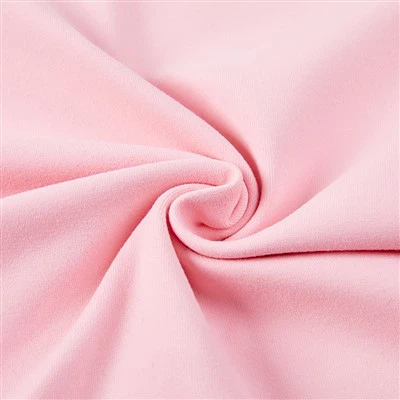
Pilling is a common issue that can significantly affect the appearance and longevity of Printed Nylon Lycra Fabric. As a supplier of this high - quality fabric, I understand the importance of providing solutions to prevent pilling. In this blog, I will share some scientific and practical methods to help you keep your Printed Nylon Lycra Fabric in top - notch condition.
Understanding the Causes of Pilling
Before we delve into prevention methods, it's crucial to understand why pilling occurs. Pilling is mainly caused by the friction between fibers. When the fabric rubs against other surfaces, such as during normal wear, washing, or drying, the fibers on the surface of the fabric start to break and form small balls. The structure of Printed Nylon Lycra Fabric, which combines the strength of nylon and the elasticity of Lycra, is not immune to this problem. Nylon fibers are relatively strong but can still be affected by abrasion, while Lycra's stretchy nature may cause the fabric to move and rub against itself or other materials more easily.
Choosing the Right Weave and Fiber Quality
The first step in preventing pilling is to start with a high - quality fabric. We carefully select the nylon and Lycra fibers used in our Printed Nylon Lycra Fabric. High - quality fibers are less likely to break and form pills. For instance, we use nylon fibers with a higher denier count, which generally means they are thicker and more resistant to abrasion.
In terms of weave, a tight weave can also reduce the likelihood of pilling. A tightly woven fabric holds the fibers more securely, preventing them from being easily pulled out and forming pills. Our Knitted Nylon - spandex Fabric features a well - crafted knit that helps keep the fibers in place, minimizing the risk of pilling.
Proper Care During Washing
Washing is one of the main activities that can contribute to pilling. To prevent this, follow these washing guidelines:
- Use a Gentle Cycle: When washing Printed Nylon Lycra Fabric, choose a gentle cycle on your washing machine. This reduces the amount of agitation and friction that the fabric is exposed to. The gentle cycle mimics a more delicate hand - washing motion, which is less likely to cause the fibers to break.
- Select the Right Detergent: Opt for a mild detergent specifically designed for delicate fabrics. Harsh detergents can damage the fibers and make them more prone to pilling. Look for detergents that are free of bleach and strong chemicals.
- Wash with Similar Fabrics: Wash your Printed Nylon Lycra Fabric with other similar - weight and texture fabrics. Mixing it with rough or abrasive materials can increase the friction and lead to pilling. For example, avoid washing it with denim or thick woolen items.
Drying Techniques
Drying is another critical stage in fabric care. Here are some tips to prevent pilling during drying:
- Air - Drying: Air - drying is the gentlest method for Printed Nylon Lycra Fabric. Hang the fabric on a drying rack or lay it flat to dry. This avoids the high heat and tumbling action of a dryer, which can cause the fibers to break and pill.
- Low - Heat Setting: If you must use a dryer, select a low - heat setting. High heat can damage the nylon and Lycra fibers, making them more brittle and prone to pilling. Additionally, use a dryer sheet to reduce static, which can also contribute to pilling.
Minimizing Friction During Wear
How you wear and use the fabric also plays a role in pilling prevention.
- Avoid Rough Surfaces: When wearing clothing made from Printed Nylon Lycra Fabric, try to avoid rubbing against rough surfaces such as brick walls or rough furniture. This direct friction can cause the fibers on the fabric's surface to break and form pills.
- Layering: If you're wearing the fabric in an environment where it may be subject to a lot of friction, consider layering it with a smooth, non - abrasive fabric. For example, you can wear a silk or cotton undershirt under a Printed Nylon Lycra top to reduce the friction between the fabric and your skin.
Using Anti - Pilling Products
There are several anti - pilling products available on the market that can be used on Printed Nylon Lycra Fabric.


- Fabric Softeners: Adding a fabric softener during the washing process can help lubricate the fibers, reducing friction and making them less likely to pill. However, make sure to choose a fabric softener that is suitable for nylon and Lycra fabrics.
- Anti - Pilling Sprays: These sprays create a protective layer on the fabric's surface, reducing the friction between fibers. They can be applied before washing or after the fabric has been washed and dried.
Regular Maintenance and Inspection
Regularly inspect your Printed Nylon Lycra Fabric for any signs of pilling. If you notice small pills starting to form, you can remove them gently using a fabric shaver or a lint roller. A fabric shaver cuts the pills off the surface of the fabric, while a lint roller picks them up. This early intervention can prevent the pills from getting larger and more difficult to remove.
Our Commitment to Quality
As a supplier of Printed Nylon Lycra Fabric, we are committed to providing you with the highest - quality products. Our Nylon - Spandex Double - Sided Fabric and Nylon Spandex Butterfly Mesh Fabric are carefully crafted to minimize the risk of pilling. We conduct strict quality control measures at every stage of the production process, from fiber selection to the final printing and finishing.
Conclusion
Preventing pilling on Printed Nylon Lycra Fabric requires a combination of choosing high - quality fabric, proper care during washing and drying, minimizing friction during wear, and using anti - pilling products. By following these steps, you can ensure that your Printed Nylon Lycra Fabric remains in excellent condition for a long time.
If you're interested in purchasing our Printed Nylon Lycra Fabric or have any questions about pilling prevention, please feel free to contact us for a procurement discussion. We are here to provide you with the best fabric solutions and support.
References
- Textile Science and Technology: Fibers, Yarns, Fabrics, and Finishes by Richard H. Hake
- Handbook of Fiber Science and Technology, Volume 1: High - Technology Fibers by Mark Lewin and Eli M. Pearce