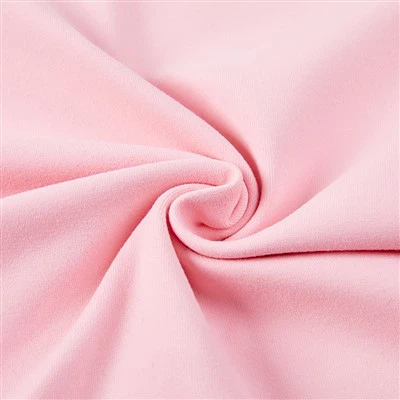
As a supplier of ribbed swimwear fabric, I've often been asked whether our ribbed swimwear fabric is resistant to saltwater. This is a crucial question for both swimmers and swimwear manufacturers, as exposure to saltwater can have a significant impact on the durability and performance of swimwear. In this blog post, I'll delve into the science behind fabric resistance to saltwater, explore the properties of our ribbed swimwear fabric, and provide insights based on real - world experiences and scientific research.
The Impact of Saltwater on Fabrics
Saltwater is a complex mixture that contains various salts, minerals, and microorganisms. When a fabric comes into contact with saltwater, several chemical and physical processes can occur. Firstly, the salt in the water can cause the fibers of the fabric to swell. This swelling can weaken the internal structure of the fibers over time, leading to a loss of elasticity and strength. Secondly, the minerals in saltwater, such as calcium and magnesium, can deposit on the fabric surface. These deposits can make the fabric feel rough and stiff, and may also cause discoloration.
Microorganisms in saltwater can also pose a threat to fabrics. Bacteria and fungi can break down the organic components of the fabric, leading to odor, mildew, and further deterioration of the fabric's quality. Additionally, the abrasive action of sand and other particles in the water can wear down the fabric, especially at areas of high friction, such as the waistband and shoulder straps of a swimsuit.

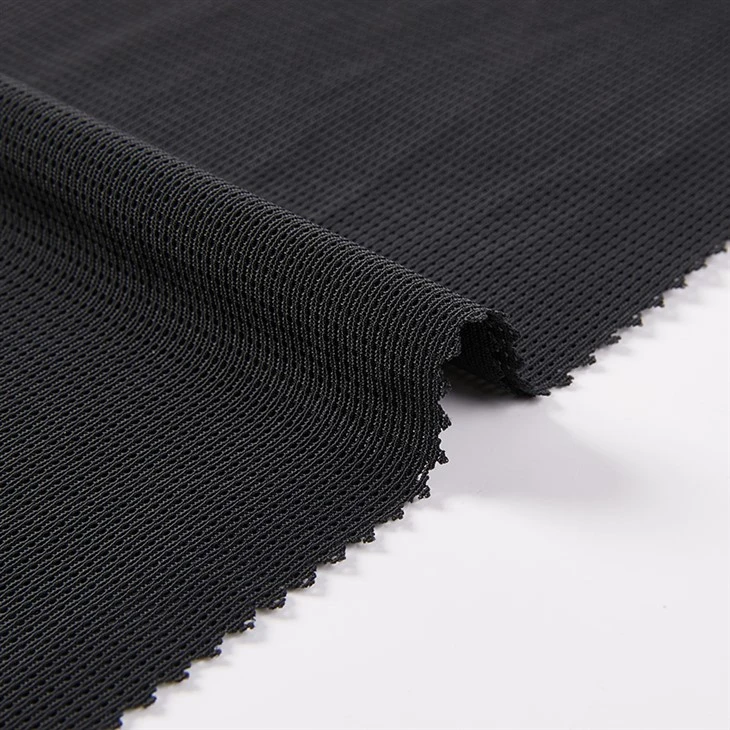
Properties of Ribbed Swimwear Fabric
Our ribbed swimwear fabric is designed with several features that contribute to its resistance to saltwater. One of the key properties is its composition. We use a blend of high - quality synthetic fibers, such as polyester and elastane. Polyester is known for its excellent resistance to chemicals, including salt. It has a low affinity for water, which means that it absorbs less saltwater compared to natural fibers like cotton. This reduces the amount of salt and minerals that can be deposited on the fabric.
Elastane, on the other hand, provides the fabric with elasticity. It allows the swimwear to stretch and recover its shape, even after repeated exposure to saltwater. The ribbed structure of the fabric also plays an important role. The ribs add an extra layer of protection and durability to the fabric. They can help to distribute the stress evenly across the fabric, reducing the risk of tearing and abrasion.
Moreover, our ribbed swimwear fabric undergoes a special finishing process. This process involves the application of a water - repellent and anti - microbial coating. The water - repellent coating helps to prevent saltwater from penetrating deeply into the fabric, while the anti - microbial coating inhibits the growth of bacteria and fungi.
Scientific Studies and Real - World Testing
To ensure the quality and performance of our ribbed swimwear fabric, we conduct extensive scientific studies and real - world testing. In our laboratory, we simulate saltwater exposure by immersing fabric samples in a saltwater solution for a specified period. We then measure various properties of the fabric, such as its tensile strength, elasticity, and colorfastness.
The results of these tests have shown that our ribbed swimwear fabric maintains its strength and elasticity even after prolonged exposure to saltwater. The color of the fabric also remains vibrant, with minimal fading or discoloration.
In addition to laboratory testing, we also gather feedback from swimmers and swimwear manufacturers who have used our fabric. Many of them have reported that swimwear made from our ribbed fabric retains its shape and comfort even after multiple swims in the ocean. The fabric is easy to clean and dries quickly, which further enhances its resistance to saltwater damage.
Comparison with Other Fabrics
When compared to other types of swimwear fabrics, our ribbed swimwear fabric has several advantages in terms of saltwater resistance. For example, natural fabrics like cotton are highly absorbent and are more prone to damage from saltwater. Cotton fibers can become heavy and waterlogged when exposed to saltwater, and they are also more susceptible to mildew and odor.
Some other synthetic fabrics may not have the same level of elasticity and durability as our ribbed fabric. Without the ribbed structure and the special finishing process, these fabrics may be more likely to tear or lose their shape after exposure to saltwater.
Maintenance Tips for Saltwater - Exposed Swimwear
Even though our ribbed swimwear fabric is highly resistant to saltwater, proper maintenance is still essential to prolong its lifespan. After each swim in the ocean, it is recommended to rinse the swimwear thoroughly in fresh water. This helps to remove any salt, sand, and other debris from the fabric. Avoid wringing or twisting the swimwear, as this can damage the fibers. Instead, gently squeeze out the excess water.
It is also advisable to dry the swimwear in a shaded area, away from direct sunlight. High temperatures and sunlight can cause the fabric to fade and lose its elasticity over time. When storing the swimwear, make sure it is clean and dry. Avoid folding the swimwear in the same place for long periods, as this can cause creases and weaken the fabric.
Conclusion
In conclusion, our ribbed swimwear fabric is indeed resistant to saltwater. Its unique composition, ribbed structure, and special finishing process make it highly durable and able to withstand the harsh conditions of saltwater exposure. Whether you are a professional swimmer or a swimwear manufacturer, you can rely on our fabric to provide long - lasting performance and comfort.
If you are interested in purchasing our ribbed swimwear fabric, or if you have any questions about our products, we encourage you to [initiate a procurement discussion]. We offer a wide range of swimwear fabrics, including Swimwear Fabric By The Metre, Sustainable Swimwear Fabric, and Swimsuit Lining Fabric. Our team of experts is ready to assist you in finding the perfect fabric for your needs.
References
- ASTM International. (2023). Standard test methods for evaluating the performance of textile fabrics.
- Textile Research Journal. Various issues on fabric durability and chemical resistance.
- International Journal of Clothing Science and Technology. Studies on swimwear fabric properties and performance.