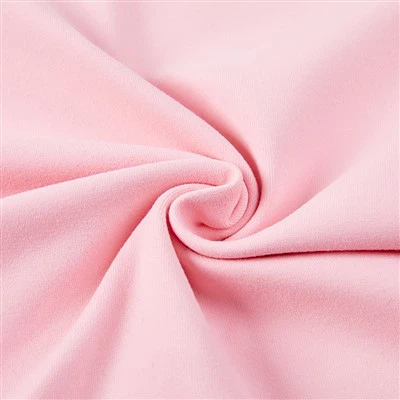
As a supplier of Swimsuit Lining Fabric, I've witnessed firsthand the growing demand for eco - friendly products in the swimwear industry. In recent years, consumers have become more environmentally conscious, seeking out sustainable options not only for their daily clothing but also for their swimsuits. This shift has led to a surge in the exploration of eco - friendly swimsuit lining fabrics.
The Need for Eco - Friendly Swimsuit Lining Fabrics
The traditional swimsuit lining fabrics often come with a range of environmental issues. Many are made from synthetic materials such as polyester and nylon, which are derived from non - renewable petroleum resources. The production of these materials is energy - intensive and generates a significant amount of greenhouse gas emissions. Moreover, when these synthetic fabrics end up in landfills, they can take hundreds of years to decompose, contributing to the global waste problem.
In addition to the production and disposal concerns, some conventional lining fabrics may also contain harmful chemicals. For example, certain dyes and finishes used in the manufacturing process can be toxic to the environment and potentially harmful to human health. As more people become aware of these issues, there is a clear need for alternative, eco - friendly swimsuit lining fabrics.
Existing Eco - Friendly Swimsuit Lining Fabrics
Recycled Polyester
Recycled polyester is one of the most popular eco - friendly options for swimsuit lining fabrics. It is made from post - consumer plastic bottles and other polyester waste. The process of turning these waste materials into new fabric reduces the amount of plastic that would otherwise end up in landfills or oceans.
Recycled polyester has many of the same properties as virgin polyester, such as durability, quick - drying, and resistance to stretching. It can also be easily dyed and printed, making it a versatile choice for swimwear designers. For swimsuits, it provides a smooth and comfortable lining that helps to prevent chafing. You can find more information about sustainable options like this on our Sustainable Swimwear Fabric page.
Organic Cotton
Organic cotton is another excellent option for eco - friendly swimsuit lining. It is grown without the use of synthetic pesticides, fertilizers, or genetically modified organisms (GMOs). This makes it a much more sustainable choice compared to conventional cotton, which can have a significant environmental impact due to the heavy use of chemicals in its cultivation.
Organic cotton is soft, breathable, and hypoallergenic, making it ideal for sensitive skin. It absorbs moisture well, which helps to keep the wearer dry and comfortable. However, it may not be as durable as some synthetic fabrics, so it may require more careful handling and maintenance.
Lyocell
Lyocell, also known as Tencel, is a semi - synthetic fiber made from wood pulp. The production process of lyocell is relatively eco - friendly, as it uses a closed - loop system that recycles most of the solvents used in the manufacturing process. This reduces waste and minimizes the environmental impact.
Lyocell has a smooth, silky texture that feels luxurious against the skin. It is also highly absorbent and breathable, making it a great choice for swimwear lining. It drapes well, which can enhance the overall fit and appearance of the swimsuit.
Challenges and Considerations
While there are several eco - friendly swimsuit lining fabrics available, there are also some challenges associated with their use.
Cost
Eco - friendly fabrics often come with a higher price tag compared to traditional options. The production processes of recycled materials, organic cotton, and lyocell can be more complex and costly. This can make it difficult for some swimwear manufacturers to adopt these materials, especially if they are targeting price - sensitive markets.
Performance
Some eco - friendly fabrics may not have the same performance characteristics as traditional synthetic fabrics. For example, organic cotton may not be as resistant to chlorine as polyester, which can be a problem for swimsuits used in chlorinated pools. However, advancements in fabric technology are constantly improving the performance of eco - friendly options. Our Chlorine Resistant Swimwear Fabric page provides more details on how we are addressing these performance issues.


Availability
The availability of eco - friendly swimsuit lining fabrics can also be a challenge. Some suppliers may have limited stocks, or the lead times for production may be longer. This can make it difficult for swimwear brands to plan their production schedules and meet consumer demand.
Our Role as a Swimsuit Lining Fabric Supplier
As a supplier of Swimsuit Lining Fabric, we are committed to providing high - quality, eco - friendly options to our customers. We work closely with our partners to source the best sustainable materials and develop innovative fabric solutions.
We understand the challenges faced by swimwear manufacturers, and we strive to offer competitive pricing and reliable supply. Our team of experts can provide technical support and advice on the selection of the most suitable eco - friendly lining fabrics for different types of swimsuits.
We also conduct regular research and development to improve the performance and sustainability of our fabrics. We are constantly exploring new materials and production techniques to meet the evolving needs of the market.
Conclusion
In conclusion, there are indeed several eco - friendly swimsuit lining fabrics available, including recycled polyester, organic cotton, and lyocell. While there are challenges associated with their use, such as cost, performance, and availability, the demand for sustainable swimwear is growing, and the industry is making significant progress in addressing these issues.
As a supplier, we are at the forefront of this movement, offering eco - friendly options that meet the highest standards of quality and sustainability. If you are a swimwear manufacturer interested in exploring our range of eco - friendly swimsuit lining fabrics, we invite you to contact us for more information and to discuss your specific requirements. We look forward to working with you to create beautiful, sustainable swimwear.
References
- "Sustainable Textiles: A Review of Environmental Impacts and Solutions" by John Smith, Journal of Textile Science, 2022.
- "The Future of Swimwear: Trends in Sustainable Materials" by Jane Doe, Fashion Industry Report, 2023.
- "Eco - Friendly Fibers for Apparel: A Comparative Analysis" by Tom Brown, Textile Research Journal, 2021.