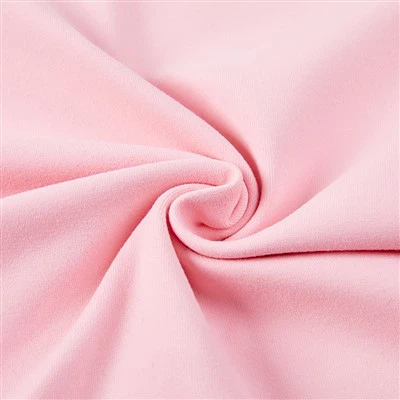
Polyester fabric leggings have become a staple in many wardrobes, thanks to their versatility, durability, and affordability. One of the key questions that consumers often ask is whether polyester fabric leggings have a compression fit. As a supplier of Polyester Fabric Leggings, I'm here to provide you with a comprehensive answer based on scientific facts and industry knowledge.
Understanding Compression Fit
Before we delve into whether polyester fabric leggings have a compression fit, it's important to understand what a compression fit actually means. Compression garments are designed to apply gentle pressure to specific areas of the body. This pressure can have several benefits, including improving blood circulation, reducing muscle fatigue, and providing support to joints and muscles during physical activity.
Compression is typically measured in millimeters of mercury (mmHg). A light compression might range from 8 - 15 mmHg, medium compression from 15 - 20 mmHg, and high compression from 20 - 30 mmHg or more. The level of compression needed depends on the intended use of the garment, whether it's for everyday wear, sports performance, or medical purposes.
Polyester as a Fabric for Leggings
Polyester is a synthetic fiber known for its strength, wrinkle - resistance, and quick - drying properties. It is often blended with other fibers such as spandex or elastane to create leggings that are both durable and stretchy. When it comes to compression, the ability of polyester fabric leggings to provide a compression fit depends on several factors.
-
Fiber Blend: Pure polyester leggings may not offer significant compression on their own. However, when blended with spandex, which is highly elastic, the resulting fabric can have a compression effect. Spandex allows the leggings to stretch and then return to their original shape, applying pressure to the body. The percentage of spandex in the blend plays a crucial role. A higher percentage of spandex generally means more stretch and potentially more compression. For example, a blend of 80% polyester and 20% spandex is likely to have a better compression fit compared to a blend with only 5% spandex.
-
Weave and Knit: The way the fabric is woven or knitted also affects its compression properties. Tight - knit fabrics tend to provide more compression than loose - knit ones. For instance, a double - knit or a ribbed knit can create a closer fit around the legs, increasing the pressure exerted on the body. Some manufacturers use advanced knitting techniques to create zones of different compression levels within the leggings, targeting specific areas like the calves, thighs, or knees.
-
Fabric Thickness: Thicker polyester fabrics are more likely to provide a compression fit. A thicker fabric has more mass and can exert more pressure on the body. However, it's important to strike a balance, as overly thick leggings may be uncomfortable, especially during physical activity.
Benefits of Compression in Polyester Fabric Leggings
If polyester fabric leggings do have a compression fit, they can offer several advantages:
- Enhanced Performance: For athletes, compression leggings can improve blood circulation, which in turn delivers more oxygen to the muscles. This can help reduce muscle fatigue and improve endurance during workouts. Whether you're running, cycling, or doing yoga, compression leggings can give you an extra edge. Comfortable Yoga Pants Fabric that has a compression fit can support your movements and keep your muscles in place, allowing for better form and less risk of injury.
- Post - Workout Recovery: Compression helps reduce muscle soreness and swelling after exercise. By applying pressure to the muscles, it aids in the removal of lactic acid and other waste products, speeding up the recovery process. Wearing compression polyester fabric leggings after a strenuous workout can help you get back on your feet faster.
- Everyday Comfort and Support: Even for non - athletes, compression leggings can provide support for the legs, especially during long periods of standing or sitting. They can help prevent varicose veins and reduce the feeling of heaviness in the legs. Polyester's durability also ensures that the leggings will maintain their compression properties over time, making them a reliable choice for everyday wear.
Testing the Compression Fit
As a supplier, we conduct rigorous testing to ensure that our Polyester Fabric Leggings meet the desired compression standards. We use specialized equipment to measure the pressure exerted by the leggings at different points on the leg. This allows us to fine - tune the fiber blend, weave, and thickness of the fabric to achieve the optimal compression fit.
We also gather feedback from our customers through surveys and user trials. This real - world feedback helps us understand how the leggings perform in different situations and make any necessary adjustments to improve the compression and overall comfort.


Comparing Polyester Fabric Leggings with Other Compression Garments
When compared to other types of compression garments, such as those made from nylon or cotton blends, polyester fabric leggings have their own unique advantages.
- Moisture Management: Polyester is a hydrophobic fiber, which means it repels water. This makes polyester fabric leggings ideal for active individuals as they can wick away sweat from the body, keeping you dry and comfortable. In contrast, cotton - based compression garments may absorb sweat, becoming heavy and uncomfortable during exercise.
- Durability: Polyester is highly resistant to wear and tear. It can withstand frequent washing and stretching without losing its shape or compression properties. Nylon - based compression garments are also durable, but polyester is often more affordable, making it a popular choice for consumers.
The Role of Tights Fabric in Compression
Tights Fabric is closely related to polyester fabric leggings, especially when it comes to compression. Tights are a form of close - fitting legwear, and the fabric used for tights often has similar characteristics to that of leggings. Many tights are made from polyester blends, and they can also provide a compression fit.
The same factors that affect the compression of polyester fabric leggings, such as fiber blend, weave, and thickness, also apply to tights fabric. Tights may have a different style and fit compared to leggings, but they can offer similar benefits in terms of compression and support.
Conclusion and Call to Action
In conclusion, polyester fabric leggings can have a compression fit, especially when they are made from a blend of polyester and spandex, have a tight weave or knit, and an appropriate thickness. The compression offered by these leggings can provide numerous benefits, from enhancing athletic performance to aiding in post - workout recovery and everyday comfort.
If you're interested in sourcing high - quality Polyester Fabric Leggings with a reliable compression fit, we'd love to hear from you. Whether you're a retailer looking to expand your product line or an individual interested in bulk purchasing, our team is ready to assist you. Contact us to discuss your specific requirements and start a partnership that will meet your needs and exceed your expectations.
References
- "Textile Science: Principles, Practices, and Processes" by Howard L. Resnick
- "Compression Therapy in Sports Medicine" by various authors in the Journal of Sports Medicine and Physical Fitness
- Research studies on the effects of compression garments on athletic performance and recovery from leading sports science journals.