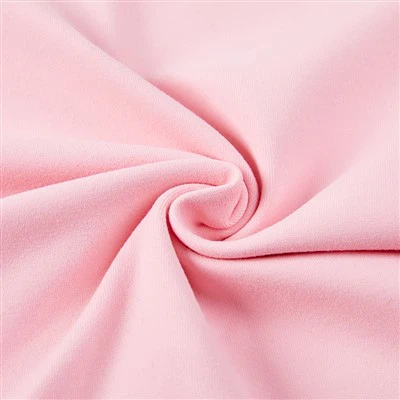
Polyester fabric leggings have become a staple in many wardrobes, thanks to their versatility, durability, and affordability. But one question that often comes up is whether they have good elasticity. As a supplier of polyester fabric leggings, I'm here to provide you with a comprehensive answer based on scientific facts and real - world experience.
Understanding Polyester and Elasticity
Polyester is a synthetic fiber made from polymers derived from petroleum. It is known for its strength, resistance to stretching and shrinking, and quick - drying properties. On its own, polyester doesn't have a high degree of natural elasticity. Unlike natural fibers like rubber or spandex, which have long, coiled molecules that can stretch and return to their original shape easily, polyester molecules are more rigid and linear.
However, when it comes to leggings, polyester is rarely used in its pure form. Most polyester fabric leggings are made from a blend of polyester and other fibers, especially elastane (also known as spandex or Lycra). Elastane is a highly elastic fiber that can stretch up to 500% of its original length and then return to its initial shape without losing its elasticity. When combined with polyester, elastane imparts the necessary stretch and recovery properties to the leggings.


How the Blend Affects Elasticity
The ratio of polyester to elastane in the fabric blend plays a crucial role in determining the elasticity of the leggings. A common blend for polyester fabric leggings is around 80 - 90% polyester and 10 - 20% elastane. This combination offers a good balance between the durability and wrinkle - resistance of polyester and the stretchiness of elastane.
With a higher percentage of elastane, the leggings will have greater elasticity. They can stretch more easily to accommodate different body movements, such as bending, squatting, and running. This is particularly important for activities like yoga, where a wide range of motion is required. For example, our Comfortable Yoga Pants Fabric has an optimal blend that provides just the right amount of stretch for yoga enthusiasts.
On the other hand, a higher proportion of polyester can make the leggings more structured and less likely to lose their shape over time. Polyester helps to maintain the integrity of the fabric, preventing it from sagging or bagging after repeated use. This is beneficial for everyday wear, as the leggings will look neat and presentable even after long - term use.
Testing the Elasticity of Polyester Fabric Leggings
There are several ways to test the elasticity of polyester fabric leggings. One common method is the stretch test. You can gently pull the fabric in different directions - horizontally, vertically, and diagonally - and observe how far it stretches and how quickly it returns to its original shape. A high - quality pair of polyester fabric leggings should stretch smoothly without any resistance or tearing and snap back into place almost immediately.
Another important aspect is the recovery rate. After stretching the fabric, you can measure the time it takes for the fabric to return to its original dimensions. A fast recovery rate indicates good elasticity. In our production process, we conduct rigorous quality control tests to ensure that all our leggings meet high standards of elasticity and recovery.
Real - World Performance and User Experience
In real - world scenarios, the elasticity of polyester fabric leggings can greatly enhance the user experience. For fitness enthusiasts, leggings with good elasticity allow for unrestricted movement during workouts. They won't constrict your muscles or limit your range of motion, which can improve your performance and reduce the risk of injury.
For fashion - conscious individuals, elastic leggings can contour to the body, creating a sleek and flattering silhouette. They can be worn with a variety of tops, from casual t - shirts to more formal blouses, making them a versatile addition to any wardrobe.
Our customers often share positive feedback about the elasticity of our Yoga Leggings Fabric and Tights Fabric. They appreciate how the leggings fit well, stretch comfortably, and maintain their shape over time.
Factors That Can Affect Elasticity Over Time
While polyester fabric leggings generally have good elasticity, there are some factors that can affect their elasticity over time. One of the main factors is washing and drying. High - heat washing and drying can damage the elastane fibers, causing them to lose their elasticity. It is recommended to wash polyester fabric leggings in cold water and air - dry them to preserve their stretchiness.
Another factor is the frequency and intensity of use. If the leggings are worn for strenuous activities on a daily basis, the elastane fibers may gradually break down, leading to a loss of elasticity. However, with proper care and moderate use, our polyester fabric leggings can maintain their elasticity for a long time.
Conclusion: Do Polyester Fabric Leggings Have Good Elasticity?
In conclusion, polyester fabric leggings can have excellent elasticity when they are made from a well - balanced blend of polyester and elastane. The combination of these two fibers offers the best of both worlds - the durability and structure of polyester and the stretchiness and recovery of elastane.
Whether you're looking for leggings for fitness, fashion, or everyday wear, our range of polyester fabric leggings is designed to meet your needs. We take pride in providing high - quality products that offer superior elasticity, comfort, and style.
If you're interested in purchasing our polyester fabric leggings or have any questions about our products, we encourage you to reach out for a procurement discussion. We're here to assist you in finding the perfect leggings for your requirements.
References
- "Textile Science: Principles and Applications" by John H. Tsai
- "The Handbook of Fiber Science and Technology" edited by Mark Lewin and Eli M. Pearce