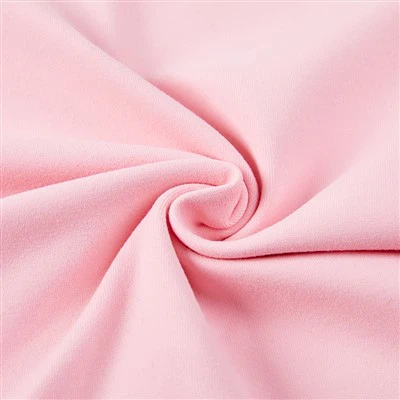
As a supplier of Swimsuit Lining Fabric, I've encountered numerous inquiries from customers regarding the colorfastness of our products. Color fading is a common concern, especially for swimsuits that are frequently exposed to water, sunlight, and various chemicals. In this blog post, I'll explore the factors that can cause color fading in swimsuit lining fabric and share some insights on how to maintain the vibrancy of the colors.
Understanding the Causes of Color Fading
Sunlight Exposure
One of the primary factors that can cause color fading in swimsuit lining fabric is prolonged exposure to sunlight. Ultraviolet (UV) rays from the sun can break down the chemical bonds in the dyes used to color the fabric, causing the colors to fade over time. This is particularly true for light-colored fabrics, which are more susceptible to UV damage than darker ones.
To mitigate the effects of sunlight exposure, it's important to store swimsuits in a cool, dry place away from direct sunlight when not in use. Additionally, you can choose swimsuits with UV protection or apply a fabric protector spray that contains UV inhibitors to help prevent color fading.
Chlorine and Other Chemicals
Chlorine is commonly used in swimming pools to disinfect the water and kill bacteria. However, it can also have a damaging effect on swimsuit lining fabric, causing the colors to fade and the fabric to become brittle. Other chemicals, such as saltwater, sunscreen, and body oils, can also contribute to color fading.
To minimize the impact of chemicals on your swimsuit, it's important to rinse it thoroughly with fresh water after each use. Avoid leaving your swimsuit in a wet or damp state for an extended period of time, as this can increase the likelihood of color fading and fabric damage. Additionally, you can choose swimsuits made from chlorine-resistant fabrics or use a fabric softener that contains a chlorine neutralizer to help protect the colors.
Friction and Abrasion
Friction and abrasion can also cause color fading in swimsuit lining fabric. This can occur when the fabric rubs against other surfaces, such as pool tiles, sand, or rough clothing. Over time, the friction can wear away the outer layer of the fabric, exposing the underlying fibers and causing the colors to fade.


To prevent friction and abrasion, it's important to choose swimsuits with a smooth, durable lining fabric. Avoid wearing rough or abrasive clothing over your swimsuit, and be careful when entering and exiting the pool to avoid rubbing the fabric against the pool edge or other surfaces.
Factors Affecting Colorfastness
Dye Quality
The quality of the dyes used to color the swimsuit lining fabric can have a significant impact on its colorfastness. High-quality dyes are more resistant to fading and are less likely to bleed or transfer onto other fabrics. When choosing a swimsuit, look for products that use high-quality dyes and have been tested for colorfastness.
Fabric Composition
The composition of the swimsuit lining fabric can also affect its colorfastness. Some fabrics, such as polyester and nylon, are more resistant to fading than others, such as cotton and silk. Additionally, fabrics that are treated with special finishes or coatings, such as UV protection or water repellency, may have better colorfastness than untreated fabrics.
Manufacturing Process
The manufacturing process used to produce the swimsuit lining fabric can also play a role in its colorfastness. Fabrics that are dyed using a high-temperature process or that are treated with special chemicals may have better colorfastness than those that are dyed using a low-temperature process or that are untreated.
Tips for Maintaining Color Vibrancy
Follow Care Instructions
One of the most important things you can do to maintain the color vibrancy of your swimsuit is to follow the care instructions provided by the manufacturer. This may include washing the swimsuit in cold water, using a mild detergent, and avoiding bleach or fabric softeners. Additionally, you should avoid wringing or twisting the swimsuit, as this can damage the fabric and cause the colors to fade.
Store Swimsuits Properly
Proper storage is also essential for maintaining the color vibrancy of your swimsuit. When not in use, store your swimsuit in a cool, dry place away from direct sunlight. Avoid folding or creasing the swimsuit, as this can cause the colors to fade or become distorted. Instead, hang the swimsuit on a padded hanger or lay it flat in a drawer.
Choose High-Quality Swimsuits
Finally, choosing high-quality swimsuits made from durable, colorfast fabrics is the best way to ensure that your swimsuit maintains its color vibrancy over time. Look for swimsuits that are made from high-quality materials, such as polyester or nylon, and that are treated with special finishes or coatings to enhance their colorfastness. Additionally, choose swimsuits that are designed to fit properly and that are comfortable to wear, as this can help prevent friction and abrasion.
Our Sustainable and Ribbed Swimwear Fabrics
At our company, we're committed to providing high-quality Swimsuit Lining Fabric that is both durable and colorfast. We offer a wide range of sustainable swimwear fabrics, including recycled polyester and nylon, that are not only environmentally friendly but also resistant to fading and damage. Our Sustainable Swimwear Fabric is made from recycled materials that are sourced from post-consumer waste, such as plastic bottles and fishing nets, and is produced using a low-impact manufacturing process that minimizes waste and energy consumption.
In addition to our sustainable swimwear fabrics, we also offer a range of Ribbed Swimwear Fabric that is both stylish and functional. Our ribbed swimwear fabric is made from a combination of polyester and spandex, which provides a comfortable, stretchy fit that conforms to the body. The ribbed texture of the fabric also helps to enhance the durability and colorfastness of the swimsuit, making it a great choice for both casual and competitive swimming.
Conclusion
In conclusion, the color of swimsuit lining fabric can fade easily if it is not properly cared for. Sunlight exposure, chlorine and other chemicals, friction and abrasion, and poor dye quality are all factors that can contribute to color fading. However, by following the tips outlined in this blog post and choosing high-quality swimsuits made from durable, colorfast fabrics, you can help maintain the vibrancy of the colors and extend the lifespan of your swimsuit.
If you're interested in learning more about our Swimsuit Lining Fabric, Sustainable Swimwear Fabric, or Ribbed Swimwear Fabric, please don't hesitate to contact us. We'd be happy to answer any questions you may have and to provide you with more information about our products.
References
- "Colorfastness of Textiles." Textile Institute, 2023.
- "Swimwear Care Guide." American Apparel & Footwear Association, 2023.
- "The Science of Color Fading." Color Association of the United States, 2023.