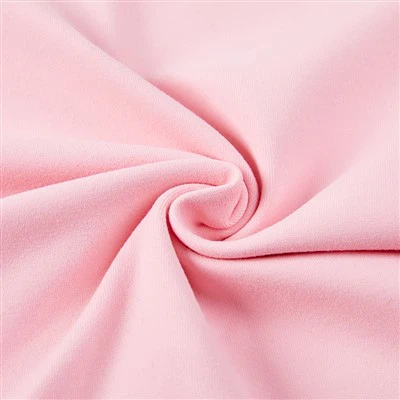
When it comes to swimwear, the appearance of the fabric when wet is a crucial factor that not only affects the aesthetic appeal but also the functionality and comfort of the swimwear. As a swimwear fabric supplier, I've witnessed firsthand how different fabrics react to water, and in this blog, I'll delve into the various aspects of how swimwear fabric looks when wet.
The Science Behind Wet Fabrics
To understand how swimwear fabric looks when wet, we first need to grasp the basic science behind it. When fabric gets wet, the water molecules interact with the fibers in the material. This interaction can cause several changes, including a change in color, transparency, and texture.
Color change is one of the most noticeable effects. Most fabrics appear darker when wet because water fills the spaces between the fibers, reducing the amount of light that is reflected. This is due to the fact that water has a higher refractive index than air, which means it bends light more. As a result, less light reaches our eyes from the fabric's surface, making it look darker.
Transparency is another important aspect. Some fabrics become more transparent when wet, which can be a concern for swimwear. This is because the water can cause the fibers to swell and separate, allowing more light to pass through the fabric. The degree of transparency depends on the type of fabric, its weave, and its thickness.
Texture also plays a role in how a fabric looks when wet. Some fabrics may become smoother, while others may develop a more pronounced texture. This can affect the overall look and feel of the swimwear, as well as its performance in the water.
Different Types of Swimwear Fabrics and Their Appearance When Wet
There are several types of swimwear fabrics available on the market, each with its own unique properties and appearance when wet.
Polyester
Polyester is a popular choice for swimwear due to its durability, resistance to chlorine, and quick-drying properties. When wet, polyester fabric typically retains its color well and does not become significantly darker. It also tends to be less transparent than some other fabrics, making it a good option for swimsuits that require modesty. The texture of polyester fabric may become slightly smoother when wet, which can enhance the sleek look of the swimwear.
Nylon
Nylon is another common swimwear fabric known for its strength, elasticity, and softness. When wet, nylon fabric may darken slightly, but not as much as some other materials. It can be more transparent than polyester, especially if it is a thinner or more lightweight nylon. The texture of nylon may become more slippery when wet, which can be beneficial for reducing drag in the water.

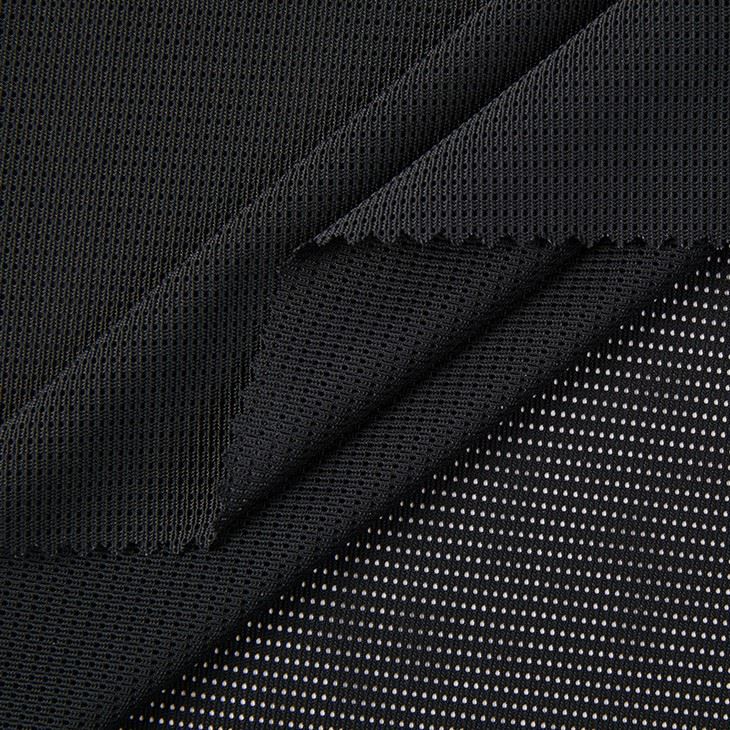
Spandex
Spandex, also known as Lycra or elastane, is often blended with other fabrics to provide stretch and shape retention in swimwear. When wet, spandex does not change color significantly and maintains its elasticity. However, it can become more transparent, especially if it is a high percentage blend. The texture of spandex remains smooth and stretchy when wet, allowing for a comfortable and form-fitting swimwear experience.
Ribbed Swimwear Fabric
Ribbed swimwear fabric has a distinct texture that can add visual interest to swimwear. When wet, the ribbing may become more pronounced, creating a more textured and dynamic look. The fabric may darken slightly, but the ribbing helps to break up the color and give the swimwear a more dimensional appearance. Ribbed fabrics can also provide some additional support and structure to the swimwear.
Sustainable Swimwear Fabric
Sustainable swimwear fabrics, such as those made from recycled materials or natural fibers, are becoming increasingly popular. These fabrics can vary in their appearance when wet depending on their composition. For example, fabrics made from recycled polyester may have similar properties to regular polyester when wet, while those made from natural fibers like bamboo or hemp may darken more and have a different texture. Sustainable fabrics often offer a unique and eco-friendly look to swimwear, which can be appealing to environmentally conscious consumers.
Swimsuit Lining Fabric
Swimsuit lining fabric is used to provide comfort, support, and modesty to swimwear. When wet, the lining fabric should not affect the overall appearance of the swimwear significantly. It should remain in place and not become transparent or visible through the outer fabric. A good lining fabric will also dry quickly and not cause any discomfort or irritation to the skin.
Factors Affecting the Appearance of Swimwear Fabric When Wet
In addition to the type of fabric, several other factors can affect how swimwear fabric looks when wet.
Weave
The weave of the fabric plays a significant role in its appearance when wet. A tight weave, such as a twill or a satin weave, can reduce transparency and help the fabric retain its shape and color. On the other hand, a looser weave, like a plain weave, may allow more light to pass through and can make the fabric more transparent when wet.
Thickness
Thicker fabrics generally tend to be less transparent and retain their color better when wet. However, they may also be heavier and take longer to dry. Thinner fabrics, on the other hand, can be more comfortable and allow for greater freedom of movement, but they may be more prone to transparency and color change.
Dyeing and Printing
The dyeing and printing processes used on the fabric can also affect its appearance when wet. High-quality dyes and prints are more likely to resist fading and bleeding when wet, ensuring that the swimwear looks vibrant and fresh even after multiple uses in the water.
The Importance of Appearance in Swimwear
The appearance of swimwear fabric when wet is not just about aesthetics; it also has practical implications. For competitive swimmers, the look and performance of the swimwear can affect their confidence and performance in the water. A sleek and well-fitting swimsuit can reduce drag and improve speed, while a swimsuit that looks unappealing or becomes transparent when wet can be a distraction.
For fashion-conscious consumers, the appearance of swimwear is a key factor in their purchasing decision. They want swimsuits that look good both on the beach and in the water, and that make them feel confident and stylish. The way the fabric looks when wet can enhance or detract from the overall design and appeal of the swimwear.
Conclusion
As a swimwear fabric supplier, I understand the importance of providing high-quality fabrics that look great when wet. Whether you're a swimwear designer, a manufacturer, or a retailer, choosing the right fabric is essential for creating swimwear that meets the needs and expectations of your customers.
If you're interested in learning more about our swimwear fabrics or would like to discuss your specific requirements, I encourage you to reach out to us. We offer a wide range of fabrics, including Ribbed Swimwear Fabric, Sustainable Swimwear Fabric, and Swimsuit Lining Fabric, and we're committed to providing excellent customer service and support. Let's work together to create swimwear that looks and performs its best in and out of the water.
References
- "Swimwear Fabric Guide" by Textile School
- "The Science of Fabrics" by National Geographic
- "Swimwear Design and Construction" by Fashion Institute of Technology