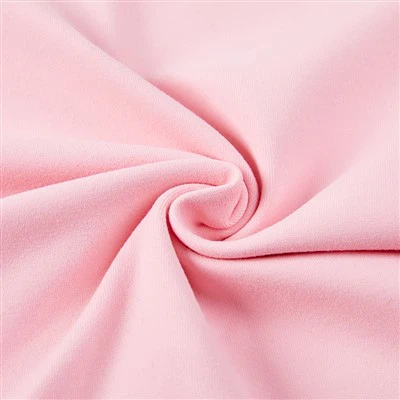
Flexibility is a crucial factor in gym performance, and the fabric of gym leggings plays a pivotal role in determining how well you can move during workouts. As a dedicated Gym Leggings Fabric supplier, I've witnessed firsthand how different fabrics can either enhance or hinder flexibility. In this blog, we'll delve into the science behind fabric and its impact on flexibility, exploring various types of fabrics commonly used in gym leggings.

The Science of Flexibility and Fabric
Flexibility refers to the range of motion in a joint or group of joints. When it comes to gym leggings, the fabric needs to accommodate this range of motion without restricting it. The key properties of fabric that affect flexibility include elasticity, stretchability, and recovery.
Elasticity is the ability of a fabric to return to its original shape after being stretched. A highly elastic fabric will allow you to move freely and then snap back into place, providing support and comfort. Stretchability, on the other hand, is the extent to which a fabric can be stretched. Fabrics with high stretchability can adapt to different body movements, such as lunges, squats, and yoga poses.
Recovery is closely related to elasticity. It measures how quickly a fabric can regain its original shape after being stretched. A fabric with good recovery will maintain its fit and shape over time, even with repeated stretching during workouts.
Common Fabrics Used in Gym Leggings
Nylon
Nylon is a popular choice for gym leggings due to its durability and strength. It has a high resistance to abrasion, making it suitable for intense workouts. Nylon also has good stretchability, allowing for a wide range of motion. However, pure nylon may not have the best elasticity on its own. It is often blended with other fibers, such as spandex, to improve its stretch and recovery properties.
Nylon blends can provide a smooth and sleek appearance, which is appealing for many gym-goers. The fabric is also breathable, wicking away moisture from the skin to keep you dry during workouts. Gym Leggings Fabric made with nylon blends can offer a combination of flexibility, durability, and comfort.
Spandex
Spandex, also known as Lycra or elastane, is the go-to fiber for stretch in gym leggings. It has an incredibly high stretchability, allowing it to stretch up to 500% of its original length and still recover its shape. Spandex provides a snug fit that moves with your body, enhancing flexibility during workouts.
When combined with other fibers like nylon or polyester, spandex can create a fabric that is both stretchy and supportive. It helps to hold the leggings in place, preventing them from slipping down during dynamic movements. Spandex is also lightweight, making it a great choice for activities that require a lot of movement, such as running or dancing.
Polyester
Polyester is another common fabric used in gym leggings. It is known for its moisture-wicking properties, which help to keep you dry by pulling sweat away from the skin. Polyester is also resistant to wrinkles and shrinking, making it easy to care for.
In terms of flexibility, polyester has some stretch, but it is not as elastic as spandex. However, when blended with spandex, it can provide a good balance of stretch and support. Polyester blends can be used in Yoga Leggings Fabric to offer flexibility for yoga poses while also providing moisture management.
Cotton
Cotton is a natural fiber that is soft and breathable. It is comfortable to wear, but it has limited stretchability compared to synthetic fibers. Pure cotton leggings may not be the best choice for high-intensity workouts that require a lot of flexibility. However, cotton blends can be a good option.
Cotton blends with spandex can combine the comfort of cotton with the stretch of spandex. These blends can provide a more natural feel against the skin while still allowing for some flexibility. They are often used in Tights Fabric for a balance of comfort and support.
How Fabric Affects Different Types of Workouts
High-Intensity Interval Training (HIIT)
HIIT workouts involve short bursts of intense exercise followed by brief periods of rest. These workouts require a lot of flexibility and range of motion. Fabrics like nylon-spandex blends are ideal for HIIT. The high stretchability and recovery of spandex allow you to move quickly and freely, while the durability of nylon can withstand the rigorous movements.
During HIIT, you may be doing exercises like burpees, mountain climbers, and jumping jacks. The fabric of your gym leggings needs to keep up with these dynamic movements without restricting your flexibility. A fabric with good elasticity will ensure that the leggings stay in place and provide support throughout the workout.
Yoga
Yoga is all about flexibility, balance, and mindfulness. For yoga, you need leggings that can stretch and move with you during various poses. Fabrics with high stretchability, such as spandex blends, are perfect for yoga. They allow you to reach your full range of motion without feeling constricted.
Yoga often involves holding poses for extended periods, so the fabric also needs to be comfortable and breathable. Polyester-spandex blends or cotton-spandex blends can be great choices for Yoga Leggings Fabric. They provide the necessary stretch, support, and comfort for a successful yoga session.
Running
Running requires a combination of flexibility and durability. You need leggings that can move with your legs as you stride and also withstand the friction of running. Nylon-spandex blends are a popular choice for running leggings. The nylon provides durability, while the spandex offers the stretch needed for a smooth running motion.
The fabric should also be lightweight and breathable to keep you cool during long runs. Moisture-wicking properties are essential to prevent sweat from accumulating and causing discomfort. A good running legging fabric will enhance your flexibility and performance on the track or the road.
Choosing the Right Fabric for Your Gym Leggings
When choosing the fabric for your gym leggings, consider the type of workouts you do most often. If you're into high-intensity workouts, look for fabrics with high stretchability and good recovery, such as nylon-spandex blends. For yoga, focus on fabrics that are soft, breathable, and can stretch easily.
Pay attention to the fit of the leggings as well. A well-fitting legging made from the right fabric will enhance your flexibility and comfort. Make sure to try on different styles and fabrics to find the ones that work best for you.
As a Gym Leggings Fabric supplier, I understand the importance of providing high-quality fabrics that meet the needs of different athletes. Our Gym Leggings Fabric is carefully selected and tested to ensure optimal flexibility, durability, and comfort. Whether you're a fitness brand looking to source fabrics for your products or an individual interested in learning more about gym leggings, we're here to help.
If you're interested in discussing fabric options for your gym leggings or have any questions about our products, feel free to reach out. We can provide samples and detailed information to help you make the right choice. Let's work together to create gym leggings that enhance your performance and flexibility.
References
- ASTM International. (2023). Standard Test Methods for Stretch Properties of Textile Fabrics.
- Textile Institute. (2022). Handbook of Textile Fibres: Volume 1: Natural Fibres.
- Wilson, J. (2021). The Science of Fitness Apparel: How Fabric Affects Performance. Journal of Sports Science and Medicine.