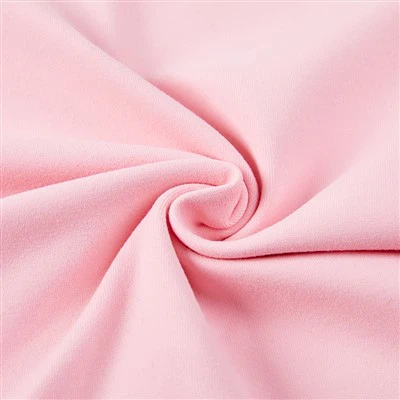
As a supplier of gym leggings fabric, I've witnessed firsthand how the choice of fabric can significantly impact the comfort of wearers, especially during rest periods. In this blog, I'll delve into the various aspects of gym leggings fabric and how they affect comfort when you're taking a break from your workout.
Breathability: A Key Factor for Comfort
Breathability is perhaps the most crucial aspect of gym leggings fabric when it comes to comfort during rest periods. After an intense workout, your body needs to cool down, and a breathable fabric allows air to circulate, preventing the build - up of heat and moisture.
Polyester is a commonly used fabric in gym leggings. Polyester Fabric Leggings are known for their moisture - wicking properties. Polyester fibers are hydrophobic, which means they repel water. When you're sweating during a workout, polyester quickly moves the moisture away from your skin to the outer layer of the leggings, where it can evaporate. This not only keeps you dry but also helps regulate your body temperature. During rest periods, the continued breathability of polyester ensures that you don't feel sticky or overheated.
On the other hand, natural fibers like cotton have their own charm. Cotton is highly breathable as it can absorb a significant amount of moisture. However, it takes longer to dry compared to polyester. If you're wearing cotton gym leggings, during rest periods, you might find that the absorbed sweat stays on your skin for a while, which can make you feel cold and uncomfortable.
Stretch and Recovery: Maintaining Freedom of Movement
Stretch and recovery are two important characteristics of gym leggings fabric. During a workout, you need leggings that can stretch to accommodate your movements, whether it's a high - intensity interval training session or a gentle yoga class.
Elastane, also known as spandex, is often blended with other fabrics to provide stretch. A fabric with good stretch allows you to move freely without feeling restricted. When you're in a rest period, this stretchiness ensures that the leggings don't dig into your skin or create pressure points. You can relax in a comfortable position, whether it's sitting on a bench or lying down on the floor, without the leggings feeling tight or constricting.
The recovery property of the fabric is equally important. After stretching, the fabric should be able to return to its original shape. Yoga Leggings Fabric often has excellent stretch and recovery properties. This means that even after multiple stretches during a yoga session, the leggings maintain their fit and don't sag. During rest, you can enjoy the snug yet comfortable fit that doesn't require constant readjustment.
Softness and Skin Sensitivity
The softness of the fabric directly affects how comfortable you feel during rest periods. Gym leggings are in direct contact with your skin for an extended period, so a soft fabric is essential, especially for those with sensitive skin.
Microfiber fabrics are known for their softness. They have a smooth texture that feels gentle against the skin. During rest, you won't experience any irritation or itching that could disrupt your relaxation. These fabrics are often used in high - end gym leggings as they provide a luxurious feel.
Some people may also be allergic to certain fabrics. For example, wool can cause skin irritation for many individuals. If you're sensitive to a particular fabric, wearing leggings made from that material can be extremely uncomfortable during rest periods. It's important to choose a fabric that is hypoallergenic and suitable for your skin type.
Compression: A Double - Edged Sword
Compression is a feature that many gym leggings offer. Compression leggings are designed to apply pressure to your muscles, which can help improve blood circulation and reduce muscle soreness during a workout. However, the level of compression can affect comfort during rest periods.
Light - compression leggings are generally more comfortable during rest. They provide a gentle hug to your muscles without being too tight. This can still offer some support to your muscles while allowing you to relax. Heavy - compression leggings, on the other hand, might feel too constricting when you're at rest. You may find it difficult to fully relax your muscles, and the pressure can even cause discomfort or numbness in some areas.
The Role of Fabric Weight
Fabric weight also plays a role in comfort during rest periods. Lightweight fabrics are ideal for warm - weather workouts and rest. They are less bulky and allow for better air circulation. For example, a lightweight polyester blend is perfect for a summer workout. During rest, you won't feel weighed down by the leggings, and you can enjoy the coolness of the air on your skin.
Heavier fabrics, such as those used in winter - specific gym leggings, provide more warmth. However, if you're in a warm indoor environment during rest, these heavy - weight leggings can make you feel overheated. It's important to choose the right fabric weight based on the environment and the intensity of your workout.
How Different Fabrics Affect Different Types of Rest
The type of rest you take also influences how the fabric of your gym leggings affects your comfort. If you're taking a short, active rest between sets in a weight - training session, you'll need leggings that can quickly adapt to your changing movements. A fabric with good stretch and recovery, like the ones used in Tights Fabric, is ideal. You can easily move around, adjust your position, and pick up your weights again without any hassle.
For a longer, passive rest, such as a post - workout relaxation period, softness and breathability become even more important. You want to be able to lie down and fully unwind without any distractions. A breathable, soft fabric will ensure that you stay comfortable and can fully recover from your workout.
Conclusion and Call to Action
In conclusion, the fabric of gym leggings has a profound impact on comfort during rest periods. From breathability and stretch to softness and compression, every aspect of the fabric matters. As a supplier of high - quality gym leggings fabric, I understand the importance of these factors and strive to provide fabrics that meet the diverse needs of gym - goers.
If you're a manufacturer looking for the perfect fabric for your gym leggings, I invite you to contact me for a detailed discussion. We can explore different fabric options, discuss your specific requirements, and find the ideal solution for your products. Whether you need a lightweight, breathable fabric for summer leggings or a high - compression fabric for performance - oriented products, I'm here to help. Let's work together to create gym leggings that offer maximum comfort during both workouts and rest periods.

References
- "Textiles for Activewear: Performance and Comfort" by Jane Smith
- "The Science of Fabrics in Sports Apparel" by John Doe
- "Fabric Properties and Their Impact on Wearer Comfort" by Emily Brown