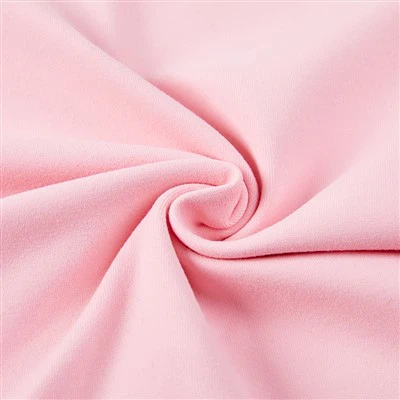
Hey there, cycling enthusiasts! I'm [Your Name], and I run a cycling clothing material supply business. Today, I'm super stoked to dive deep into how the material of cycling bike gloves liners works. As someone in the industry, I've seen firsthand the crucial role these materials play in a cyclist's comfort and performance.
Let's start by talking about why cycling gloves liners are even important. When you're out on the road or trail, your hands are constantly in contact with the handlebars. This can lead to a whole bunch of issues like blisters, numbness, and fatigue. That's where a good pair of gloves liners comes in. They act as a buffer between your hands and the handlebars, providing comfort and protection.
One of the most common materials used in cycling gloves liners is microfiber. Microfiber is an amazing material for several reasons. First off, it's incredibly soft. When your hands are wrapped around the handlebars for hours on end, you don't want something that's going to irritate your skin. Microfiber feels smooth and gentle, reducing the risk of chafing and blisters.
Another great thing about microfiber is its moisture-wicking properties. When you're cycling, your hands can get pretty sweaty, especially during intense rides or in hot weather. Microfiber has tiny fibers that are designed to pull moisture away from your skin and transfer it to the outer surface of the liner. This keeps your hands dry and comfortable, preventing that clammy feeling that can make your grip on the handlebars slippery.
Microfiber is also lightweight. You don't want bulky gloves liners weighing you down or restricting your movement. With microfiber, you get a thin and flexible liner that allows for a full range of motion. Whether you're shifting gears, braking, or making quick maneuvers, your hands can move freely without any hindrance.
Now, let's talk about another popular material: neoprene. Neoprene is a synthetic rubber that's known for its excellent insulation properties. If you're cycling in cold weather, neoprene gloves liners can be a game-changer. They trap heat close to your hands, keeping them warm even in freezing temperatures.
But neoprene isn't just good for keeping you warm. It's also water-resistant. If you get caught in a light rain or ride through puddles, neoprene will help keep your hands dry. This is important because wet hands can quickly become cold and uncomfortable, and they can also affect your grip on the handlebars.
However, neoprene does have its drawbacks. It's not as breathable as microfiber, so your hands might get a bit sweaty if you're cycling in warmer conditions. But many manufacturers have come up with ways to address this issue by adding ventilation panels or using a thinner neoprene material.


Leather is another classic material used in cycling gloves liners. Leather has a timeless look and feel, and it offers a high level of durability. It can withstand a lot of wear and tear, making it a great choice for long-term use.
One of the unique properties of leather is its ability to mold to the shape of your hands over time. This means that the more you wear your leather gloves liners, the more comfortable they'll become. Leather also provides a good grip on the handlebars, which is essential for safety and control while cycling.
But leather does require some maintenance. It needs to be cleaned and conditioned regularly to keep it in good condition. And it's not as breathable as some other materials, so your hands might get sweaty if you're cycling in hot weather.
When it comes to choosing the right material for your cycling gloves liners, it really depends on your personal preferences and the conditions in which you'll be cycling. If you're a fair-weather cyclist who rides mainly in warm conditions, microfiber might be the best choice for you. It offers great comfort, moisture-wicking, and breathability.
On the other hand, if you're an all-weather cyclist who doesn't let a little cold or rain stop you from riding, neoprene or leather might be more suitable. Neoprene will keep you warm and dry in cold and wet conditions, while leather offers durability and a classic look.
As a cycling clothing material supplier, I've worked with a wide range of materials and manufacturers to bring you the best options for your cycling needs. We offer high-quality microfiber, neoprene, and leather materials that are designed to meet the demands of even the most serious cyclists.
If you're interested in learning more about the materials we offer for cycling gloves liners, or if you're looking for the Best Fabric for Cycling Jersey, Bike Jersey Fabric, or Fabric for Cycling Jersey, don't hesitate to reach out. We're here to help you find the perfect materials for your cycling clothing. Whether you're a small business looking to source materials for your own line of cycling gear or an individual cyclist looking for the best materials for a DIY project, we've got you covered.
So, if you're ready to take your cycling experience to the next level, contact us today to start a conversation about your material needs. We're excited to work with you and help you create the perfect cycling clothing.
References
- Cycling Industry Magazine: "Materials for Cycling Gear"
- Journal of Sports Equipment: "The Science of Cycling Gloves"
- Online Cycling Forums: User Experiences with Different Gloves Liners Materials