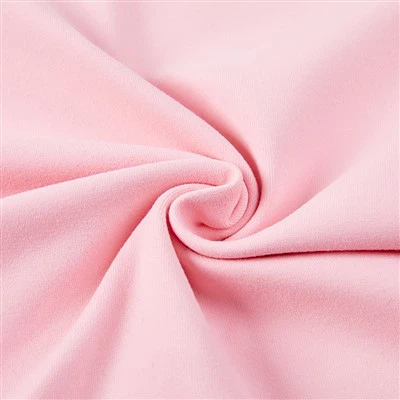
Hey there! I'm a supplier of Sustainable Swimwear Fabric, and today I wanna dive deep into a topic that's super important for both swimmers and swimwear makers: how the pilling resistance of sustainable swimwear fabric stacks up against other types.
What's Pilling Anyway?
First off, let's talk about pilling. You know when you've got a piece of clothing, and after a while, little balls of fuzz start to form on the surface? That's pilling. It happens when the fibers in the fabric break and tangle together. For swimwear, pilling can be a real bummer. Not only does it make the swimsuit look old and shabby, but it can also affect the fit and comfort.
The Lowdown on Sustainable Swimwear Fabric
As a supplier of Sustainable Swimwear Fabric, I'm really proud of the materials we offer. These fabrics are made from eco - friendly sources like recycled plastics, organic cotton, and plant - based fibers. They're not only better for the environment but also have some pretty cool properties when it comes to pilling resistance.
One of the main reasons sustainable swimwear fabrics tend to have good pilling resistance is the way they're made. Many of these fabrics are engineered to have strong, durable fibers. For example, recycled polyester used in sustainable swimwear is often treated to make it more resistant to abrasion. When the fabric rubs against your skin or other surfaces in the water, the fibers are less likely to break, which means less pilling.
Comparing with Traditional Fabrics
Nylon - Based Fabrics
Nylon has long been a popular choice for swimwear. It's stretchy, dries quickly, and has good chlorine resistance. However, in terms of pilling, it doesn't always measure up to sustainable options. Nylon fibers can be quite fine, and over time, they're prone to breaking and forming pills. When you're constantly moving in the water and the fabric rubs against your body, those fine nylon fibers start to fray.
In contrast, sustainable fabrics with a blend of recycled materials and advanced polymers are designed to withstand this kind of wear and tear. They have a more robust fiber structure that can handle the repeated stretching and rubbing without pilling as easily.
Polyester Fabrics
Regular polyester swimwear fabrics are known for their durability, but they still have some issues with pilling. Traditional polyester can be prone to static, which can cause the fibers to attract and tangle with each other, leading to pills. Sustainable swimwear fabrics often use recycled polyester that has been modified to reduce static. This means that the fibers are less likely to clump together and form those annoying little balls.
The Role of Swimsuit Lining Fabric
The lining of a swimsuit also plays a big part in pilling resistance. Swimsuit Lining Fabric can either protect the outer fabric or contribute to pilling. Many sustainable swimwear brands use a lining made from similar eco - friendly materials. These linings are often soft and smooth, reducing the friction between the outer fabric and your skin.
When the friction is low, there's less stress on the outer fabric fibers. This means that the outer fabric is less likely to pill. In comparison, some traditional linings made from cheap materials can actually increase the friction, causing the outer fabric to pill more quickly.
Chlorine Resistance and Pilling
Chlorine is a big factor in swimwear wear and tear. Chlorine Resistant Swimwear Fabric is essential for those who swim in chlorinated pools. Chlorine can weaken the fibers in swimwear, making them more likely to break and pill.
Sustainable swimwear fabrics are often treated to be chlorine - resistant. The treatment not only protects the fabric from the harsh effects of chlorine but also helps maintain the integrity of the fibers. This means that even after multiple dips in the pool, the fabric is less likely to pill. Traditional fabrics may lose their chlorine resistance over time, and as the fibers weaken, pilling becomes a more significant problem.
Real - World Testing
We've done a lot of real - world testing on our sustainable swimwear fabrics. We've had swimmers wear our suits in different conditions, from competitive swimming in chlorinated pools to leisurely beach days. The results have been really encouraging.
In one test, we compared a sustainable swimwear fabric with a traditional nylon - based swimsuit. After 50 hours of swimming, the nylon swimsuit had visible pills on the areas that rubbed against the body, like the shoulders and thighs. The sustainable swimsuit, on the other hand, showed only minimal signs of wear and no visible pilling.
Why Pilling Resistance Matters
Pilling resistance isn't just about the look of your swimsuit. It also affects the lifespan of the garment. A swimsuit that pills quickly will need to be replaced more often, which is not only costly but also bad for the environment. By choosing sustainable swimwear fabric with good pilling resistance, you're getting a swimsuit that will last longer.
It also affects comfort. Pilled fabric can be itchy and irritating against your skin. When you're trying to enjoy a swim, the last thing you want is an uncomfortable, pilled swimsuit. Sustainable swimwear fabrics keep you comfortable for longer, so you can focus on having a great time in the water.
Wrapping Up and Reaching Out
In conclusion, sustainable swimwear fabrics have a clear edge when it comes to pilling resistance compared to many traditional options. They're made with strong, durable fibers, and are often engineered to withstand the rigors of swimming. Whether you're a swimmer looking for a long - lasting, comfortable swimsuit or a swimwear manufacturer wanting to offer high - quality products, sustainable swimwear fabric is a great choice.
If you're interested in learning more about our Sustainable Swimwear Fabric or want to start a conversation about procurement, I'd love to hear from you. Just reach out, and we can discuss your specific needs and how our fabrics can meet them.


References
- "Swimwear Fabric Technology: Advancements and Innovations" - Journal of Textile Science
- "The Environmental Impact of Swimwear Production" - Environmental Textile Research
- "Pilling Resistance in Textiles: A Review" - Textile Research Journal