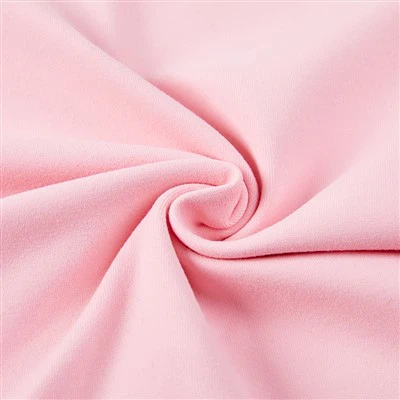
In recent years, the swimwear industry has witnessed a significant shift towards sustainability, driven by growing environmental concerns and consumer demand for eco-friendly products. As a leading supplier of Sustainable Swimwear Fabric, I've had the privilege of exploring the unique properties of sustainable fabrics and comparing them to traditional options. One crucial aspect that often comes under scrutiny is shape retention, a key factor in determining the quality and longevity of swimwear. In this blog post, I'll delve into how the shape retention of sustainable swimwear fabric stacks up against traditional fabric, drawing on scientific research and real-world experience.


Understanding Shape Retention in Swimwear Fabric
Before we compare sustainable and traditional swimwear fabrics, it's essential to understand what shape retention means in the context of swimwear. Shape retention refers to a fabric's ability to maintain its original shape and fit over time, even after repeated use, stretching, and exposure to water, chemicals, and sunlight. A fabric with good shape retention will keep its elasticity, resist sagging and bagging, and provide consistent support and coverage throughout the life of the swimwear.
Several factors contribute to a fabric's shape retention, including the type of fibers used, the fabric construction, and the finishing treatments applied. For example, fabrics made from synthetic fibers like polyester and nylon are known for their excellent elasticity and shape memory, while natural fibers like cotton and silk tend to have lower shape retention due to their more flexible and less resilient nature. The fabric construction, such as the weave or knit pattern, can also affect shape retention, with tighter weaves and knits generally providing better support and stability. Additionally, finishing treatments like heat setting and chemical coatings can enhance a fabric's shape retention by locking in the fibers' structure and preventing them from stretching or deforming.
Traditional Swimwear Fabrics and Their Shape Retention
Traditional swimwear fabrics are typically made from synthetic fibers like polyester, nylon, and spandex. These fibers are chosen for their excellent elasticity, durability, and resistance to water, chlorine, and UV rays. Polyester and nylon are strong and lightweight, providing a smooth and comfortable fit, while spandex adds stretch and recovery, allowing the fabric to conform to the body's shape and return to its original form after stretching.
One of the main advantages of traditional swimwear fabrics is their superior shape retention. The combination of polyester, nylon, and spandex creates a fabric that is highly elastic and resistant to stretching and sagging. This means that swimwear made from traditional fabrics will maintain its shape and fit over time, even after repeated use and exposure to harsh conditions. Additionally, traditional swimwear fabrics are often treated with special finishes to enhance their shape retention, such as heat setting and chemical coatings. These treatments help to lock in the fibers' structure and prevent them from stretching or deforming, ensuring that the swimwear retains its original shape and fit for longer.
However, traditional swimwear fabrics also have some drawbacks. One of the main concerns is their environmental impact. Synthetic fibers like polyester and nylon are derived from petroleum, a non-renewable resource, and their production process is energy-intensive and generates a significant amount of waste and pollution. Additionally, traditional swimwear fabrics are not biodegradable, which means that they can take hundreds of years to break down in landfills, contributing to the growing problem of plastic pollution in the oceans.
Sustainable Swimwear Fabrics and Their Shape Retention
Sustainable swimwear fabrics are made from eco-friendly materials that are either recycled or biodegradable. Some of the most common sustainable swimwear fabrics include recycled polyester, recycled nylon, organic cotton, bamboo, and hemp. These materials are chosen for their low environmental impact, renewable nature, and excellent performance characteristics.
Recycled polyester and recycled nylon are made from post-consumer waste, such as plastic bottles and fishing nets, which are collected, cleaned, and processed into new fibers. These fibers have similar properties to traditional polyester and nylon, including excellent elasticity, durability, and resistance to water, chlorine, and UV rays. Additionally, recycled polyester and recycled nylon are more sustainable than traditional polyester and nylon because they reduce the demand for virgin materials and help to divert waste from landfills.
Organic cotton, bamboo, and hemp are natural fibers that are grown without the use of pesticides, fertilizers, or genetically modified organisms (GMOs). These fibers are biodegradable and renewable, making them a more sustainable alternative to synthetic fibers. However, natural fibers like organic cotton, bamboo, and hemp have lower shape retention than synthetic fibers due to their more flexible and less resilient nature. To improve the shape retention of natural fibers, they are often blended with synthetic fibers like spandex or treated with special finishes.
In recent years, there have been significant advancements in the development of sustainable swimwear fabrics with improved shape retention. For example, some manufacturers are using innovative fiber technologies to create recycled polyester and recycled nylon fibers with enhanced elasticity and shape memory. These fibers are able to maintain their shape and fit over time, even after repeated use and exposure to harsh conditions, making them a viable alternative to traditional swimwear fabrics. Additionally, some sustainable swimwear fabrics are treated with natural finishes, such as plant-based dyes and coatings, which can enhance their shape retention and performance while reducing their environmental impact.
Comparing the Shape Retention of Sustainable and Traditional Swimwear Fabrics
When it comes to shape retention, traditional swimwear fabrics have long been considered the gold standard. However, with the advancements in sustainable fiber technologies and fabric treatments, sustainable swimwear fabrics are now closing the gap. While sustainable swimwear fabrics may not have the same level of shape retention as traditional swimwear fabrics, they are still able to provide excellent performance and durability, especially when blended with synthetic fibers or treated with special finishes.
One of the key factors to consider when comparing the shape retention of sustainable and traditional swimwear fabrics is the specific application and intended use of the swimwear. For example, if you're looking for swimwear that will be used for high-intensity activities, such as swimming or surfing, you may want to choose a fabric with higher shape retention, such as traditional polyester or recycled polyester blended with spandex. On the other hand, if you're looking for swimwear that will be used for more casual activities, such as lounging by the pool or beach, you may be able to get away with a fabric with lower shape retention, such as organic cotton or bamboo blended with spandex.
Another factor to consider is the quality of the fabric and the manufacturing process. Not all sustainable swimwear fabrics are created equal, and some may have better shape retention than others depending on the type of fibers used, the fabric construction, and the finishing treatments applied. It's important to choose a reputable supplier that uses high-quality materials and follows strict manufacturing standards to ensure that the swimwear you purchase has good shape retention and will last for a long time.
The Future of Sustainable Swimwear Fabric and Shape Retention
As the demand for sustainable swimwear continues to grow, so does the need for sustainable swimwear fabrics with excellent shape retention. In the future, we can expect to see further advancements in sustainable fiber technologies and fabric treatments, which will enable manufacturers to create sustainable swimwear fabrics that are on par with traditional swimwear fabrics in terms of shape retention and performance.
One area of research that shows promise is the development of bio-based fibers, such as those made from algae, seaweed, and other renewable resources. These fibers have the potential to be more sustainable and biodegradable than traditional synthetic fibers, while also offering excellent performance characteristics, including elasticity and shape memory. Additionally, researchers are exploring the use of nanotechnology and other advanced materials to enhance the shape retention and performance of sustainable swimwear fabrics.
Another trend that is likely to continue is the use of recycled materials in swimwear production. As the technology for recycling plastic waste improves, we can expect to see more swimwear made from recycled polyester, recycled nylon, and other recycled materials. These materials not only reduce the environmental impact of swimwear production but also offer excellent shape retention and performance, making them a viable alternative to traditional swimwear fabrics.
Conclusion
In conclusion, the shape retention of sustainable swimwear fabric is comparable to that of traditional swimwear fabric, especially when blended with synthetic fibers or treated with special finishes. While traditional swimwear fabrics have long been considered the gold standard for shape retention, sustainable swimwear fabrics are now closing the gap, thanks to advancements in sustainable fiber technologies and fabric treatments.
As a supplier of Sustainable Swimwear Fabric, I'm committed to providing high-quality, eco-friendly swimwear fabrics that offer excellent shape retention and performance. Whether you're looking for Ribbed Swimwear Fabric for a classic look or Swimwear Fabric By The Metre for custom projects, I have a wide range of sustainable swimwear fabrics to choose from.
If you're interested in learning more about our sustainable swimwear fabrics or would like to discuss your specific requirements, please don't hesitate to contact me. I'd be happy to help you find the perfect fabric for your next swimwear project.
References
- "Swimwear Fabric: A Comprehensive Guide." Textile School, https://www.textileschool.com/1164/swimwear-fabric/.
- "Sustainable Swimwear: The Future of Beach Fashion." EcoWatch, https://www.ecowatch.com/sustainable-swimwear-2649381677.html.
- "The Science of Shape Retention in Fabrics." Fashion Institute of Technology, https://www.fitnyc.edu/academics/textile-studies/.