

Hey there! I'm a supplier of Swimsuit Lining Fabric, and today I wanna chat about something super important in the world of swimsuits: how the thickness of swimsuit lining fabric matters.
First off, let's understand what swimsuit lining fabric is. It's that layer inside your swimsuit that provides comfort, support, and a bit of modesty. You can check out more about Swimsuit Lining Fabric on our website.
Comfort and Fit
The thickness of the lining fabric plays a huge role in how comfortable your swimsuit feels. A thinner lining fabric is often more lightweight and breathable. It allows your skin to breathe, which is crucial when you're in the water or under the sun for long periods. You won't feel that sticky, sweaty feeling as much with a thinner lining. For example, if you're a competitive swimmer who needs to move freely in the water, a thinner lining can be a game - changer. It won't add unnecessary weight or drag, letting you swim at your best.
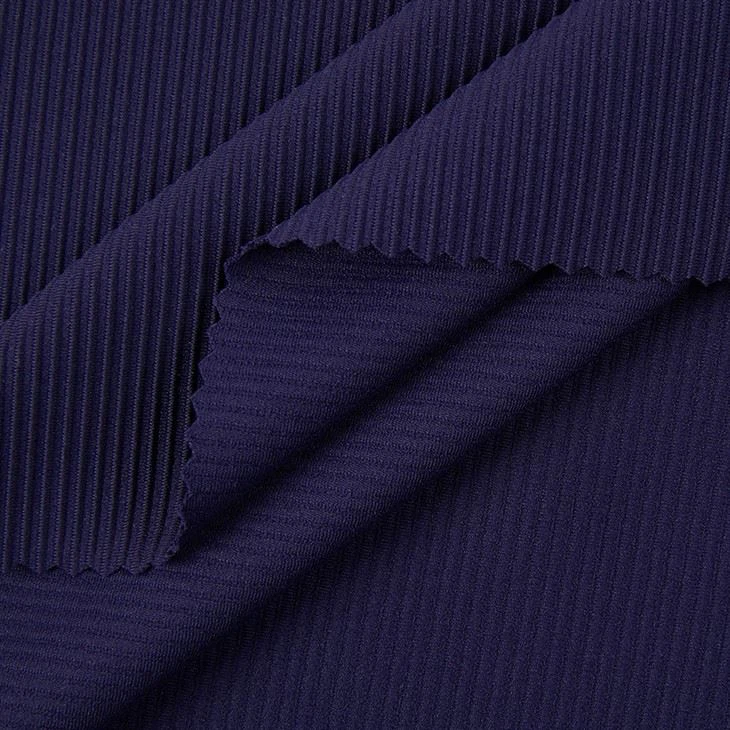

On the other hand, a thicker lining fabric can offer more support. It can help hold everything in place, especially for swimsuits with a lot of stretch in the outer fabric. If you have a curvier figure or you're looking for a swimsuit that provides a bit more coverage and shaping, a thicker lining can be your best friend. It can smooth out any bumps and give you a more streamlined look.
Durability
Durability is another key factor affected by the thickness of the lining fabric. Thicker lining fabrics generally tend to be more durable. They can withstand more wear and tear, whether it's from regular use in the pool, the rough texture of beach sand, or the constant stretching and movement during water activities. If you're someone who uses their swimsuit frequently, investing in a swimsuit with a thicker lining can save you money in the long run. You won't have to replace your swimsuit as often because the lining won't wear out as quickly.
Thinner lining fabrics, while more comfortable in some ways, may not be as durable. They can tear or fray more easily, especially if they're not made from high - quality materials. But don't worry, if you take good care of your swimsuit with a thinner lining, it can still last a decent amount of time. Just be a bit more careful when putting it on and taking it off, and avoid rough surfaces.
Modesty and Coverage
When it comes to modesty and coverage, the thickness of the lining fabric makes a big difference. A thicker lining provides more opacity, which means you don't have to worry about any embarrassing see - through moments. This is especially important for public swimming areas or if you're wearing a lighter - colored or more sheer outer fabric.
Thinner lining fabrics, however, may not offer as much coverage. They can be a bit more transparent, especially when wet. But if you're okay with a bit more of a revealing look or if you're wearing a swimsuit with a very opaque outer fabric, a thinner lining might be just fine for you.
Compatibility with Outer Fabrics
The thickness of the lining fabric also needs to be compatible with the outer fabric of the swimsuit. For example, if you have a very thick and heavy outer fabric, like a Ribbed Swimwear Fabric, a thinner lining might not work well. The lining could bunch up or not stay in place properly because it can't support the weight of the outer fabric.
Conversely, if you have a very thin and delicate outer fabric, a thick lining could make the swimsuit too bulky and heavy. It could also change the drape and fit of the swimsuit, making it look and feel less flattering. So, it's important to choose the right thickness of lining fabric based on the outer fabric you're using.
Sustainability
In today's world, sustainability is a big deal. And the thickness of the swimsuit lining fabric can also have an impact on sustainability. Thicker lining fabrics often require more material to produce, which means more resources are used. However, if they're more durable, they can last longer, reducing the need for frequent replacements.
On the other hand, thinner lining fabrics use less material, but if they wear out quickly, they may end up in landfills sooner. That's why we also offer Sustainable Swimwear Fabric options. These fabrics are made from eco - friendly materials and are designed to be both durable and comfortable, regardless of their thickness.
Cost
Cost is always a consideration when it comes to buying swimsuits or choosing the right lining fabric. Generally, thicker lining fabrics are more expensive because they use more material and may require more complex manufacturing processes. But remember, they also offer more durability and support, which can be worth the extra cost in the long run.
Thinner lining fabrics are usually more affordable. They're a great option if you're on a budget or if you're just looking for a swimsuit for occasional use. But keep in mind that you may need to replace them more often.
Conclusion
So, as you can see, the thickness of swimsuit lining fabric matters in many ways. It affects comfort, fit, durability, modesty, compatibility with outer fabrics, sustainability, and cost. Whether you're a swimsuit manufacturer looking for the perfect lining fabric or a consumer trying to choose the right swimsuit, it's important to think about all these factors.
At our company, we offer a wide range of swimsuit lining fabrics in different thicknesses to meet your needs. Whether you're looking for a thin, breathable lining for a competitive swimsuit or a thick, supportive lining for a more shaping swimsuit, we've got you covered.
If you're interested in purchasing our swimsuit lining fabrics, we'd love to have a chat with you. Just reach out to us, and we can discuss your specific requirements and find the perfect fabric for you.
References
- Textile Research Journal: Studies on the properties of different thicknesses of swimwear lining fabrics.
- International Journal of Fashion Design, Technology and Education: Articles on the relationship between lining fabric thickness and swimsuit performance.


