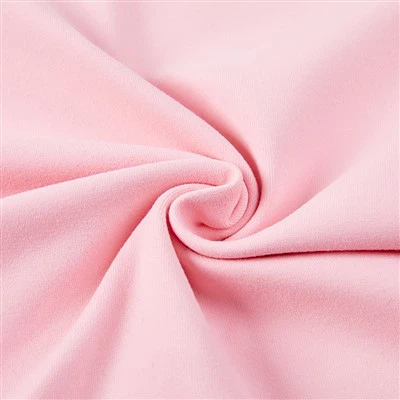
Hey there, yoga enthusiasts and fellow fabric lovers! I'm a supplier of top - notch yoga fabric, and today I'm gonna dive deep into a question that's been on a lot of people's minds: How does yoga fabric hold its shape over time?
First off, let's talk about the importance of a fabric that can maintain its shape. When you're doing those challenging yoga poses, the last thing you want is for your yoga pants or top to start sagging, bunching up, or losing its form. A well - shaped fabric not only looks good but also provides the support you need during your practice.
One of the key factors in a yoga fabric's ability to hold its shape is the type of fibers used. A lot of our high - quality yoga fabrics, like the Yoga Knit Fabric, are made with a blend of synthetic and natural fibers. Synthetic fibers such as nylon and polyester are often the stars of the show here.
Nylon is an incredibly strong and durable fiber. It has excellent abrasion resistance, which means it can withstand the constant stretching and movement that comes with yoga. When you're rolling around on your mat, doing twists and bends, the nylon in the fabric helps it stay intact. It doesn't easily tear or fray, which is crucial for long - term shape retention.
Polyester, on the other hand, is known for its wrinkle - resistance. It doesn't crease easily, so your yoga clothes will look smooth and neat even after a long session. This fiber also has good elasticity recovery. That means when it's stretched during your yoga poses, it can bounce back to its original shape pretty quickly.
But it's not just about the synthetics. We also often incorporate a bit of natural fibers like cotton or bamboo. Cotton is soft and breathable, which makes the fabric more comfortable to wear. And bamboo has anti - microbial properties, keeping the fabric fresh. However, too much natural fiber can sometimes make the fabric less shape - retentive. That's why we carefully balance the blend to get the best of both worlds.
Another important fiber in the yoga fabric game is spandex. Our Nylon 75% Spandex 25% Yoga Wear Fabric is a prime example of a fabric that uses spandex to great effect. Spandex, also known as elastane, is all about stretch and recovery. It can stretch up to 5 - 7 times its original length and then snap back into place. This is what gives yoga pants that snug, form - fitting feel.
During a yoga class, you're constantly changing positions. You might go from a standing pose to a seated one, and then into a forward bend. The spandex in the fabric allows it to adapt to these changes in body shape without losing its overall form. It hugs your body in all the right places, providing support and comfort at the same time.
The construction of the fabric also plays a huge role in how well it holds its shape. Knitted fabrics are very popular for yoga wear, and for good reason. Knitting creates a structure that has a natural stretch in multiple directions. This is different from woven fabrics, which usually have a more limited stretch.
In a knitted fabric, the loops of yarn are interlocked in a way that allows them to move and stretch independently. This means that when you stretch the fabric in one direction, it can still maintain its integrity in other directions. For example, when you're doing a side stretch in yoga, the fabric can stretch horizontally without losing its vertical shape.


There are different types of knitting techniques, too. Single - jersey knitting is a common one for yoga fabric. It's lightweight and has a nice, smooth surface. Double - jersey knitting, on the other hand, is thicker and more stable. It can provide more support and is less likely to lose its shape over time.
The finishing processes that the fabric goes through are also crucial. After the fabric is knitted or woven, it often undergoes treatments to enhance its shape - retention properties. One such treatment is heat - setting. Heat - setting involves exposing the fabric to high temperatures to "lock in" its shape.
When the fabric is heat - set, the fibers are rearranged in a more stable configuration. This makes the fabric less likely to stretch out of shape during normal use. It's like giving the fabric a memory of its original form.
Another finishing treatment is the application of special coatings or treatments. Some fabrics are treated with anti - static agents, which not only prevent static cling but also can help the fabric maintain its shape. Others might have a water - repellent finish, which can protect the fabric from moisture - related damage that could affect its shape.
Now, let's talk about how proper care can help your yoga fabric hold its shape. Washing your yoga clothes correctly is super important. Always follow the care instructions on the label. Generally, it's best to wash yoga fabric in cold water. Hot water can cause the fibers to shrink or lose their elasticity over time.
Use a gentle detergent that's designed for delicate fabrics. Harsh detergents can break down the fibers and weaken the fabric's structure. Avoid using fabric softeners, as they can coat the fibers and reduce their stretch and recovery properties.
When it comes to drying, air - drying is the way to go. Tumble - drying on high heat can damage the fabric and cause it to shrink or lose its shape. If you must use a dryer, use a low - heat setting.
As a yoga fabric supplier, I've seen firsthand the difference that high - quality, shape - retentive fabric can make. Our Yoga Pants Soft Fabric is a favorite among yoga practitioners because it combines all these elements of great fibers, construction, and finishing.
Whether you're a yoga studio owner looking to stock up on high - quality yoga wear or an individual who wants the best for your personal practice, the right yoga fabric can make a world of difference. It can enhance your comfort, support your movements, and look great while doing it.
If you're interested in learning more about our yoga fabrics or are looking to place an order for your business or personal use, don't hesitate to reach out. We're here to help you find the perfect fabric that will hold its shape and serve you well over time.
References
- Textile Science textbooks covering fiber properties and fabric construction.
- Industry research on fabric finishing techniques for shape retention.
- Customer feedback and experience with different types of yoga fabric over time.