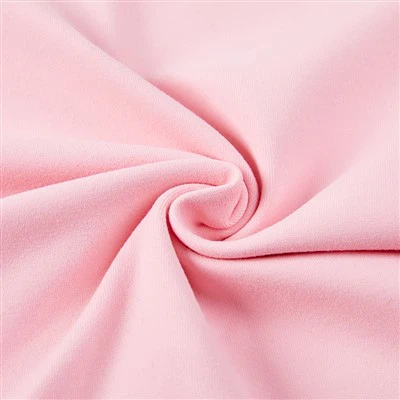
Hey there, fellow swim enthusiasts and eco - conscious folks! I'm stoked to share my insights on how to choose sustainable swimwear fabric. As a supplier of Sustainable Swimwear Fabric, I've seen firsthand the growing demand for swimwear that's not only stylish but also kind to our planet.
Let's start by understanding what makes a swimwear fabric sustainable. Sustainability in swimwear fabric boils down to a few key factors: the source of materials, the manufacturing process, and the fabric's longevity.
The Source of Materials
When it comes to sustainable swimwear fabric, the first thing to look at is where the materials come from. Many traditional swimwear fabrics are made from petroleum - based synthetics like polyester and nylon. These materials are non - renewable and can take hundreds of years to break down in the environment.
On the other hand, there are some great sustainable alternatives. One of my favorites is recycled polyester. It's made from post - consumer plastic bottles and other waste materials. By using recycled polyester, we're giving new life to plastic that would otherwise end up in landfills or the ocean. Another option is ECONYL®, a regenerated nylon made from fishing nets, fabric scraps, and other nylon waste. It's a closed - loop material, which means it can be recycled again and again without losing its quality.
If you're into natural fibers, organic cotton is a good choice. It's grown without the use of pesticides and synthetic fertilizers, which is better for the environment and the farmers who grow it. However, keep in mind that pure cotton isn't the most suitable for swimwear on its own as it doesn't dry as quickly as synthetics and loses its shape when wet. But some blends that combine organic cotton with other fibers can work well.
The Manufacturing Process
The way the fabric is made also plays a huge role in its sustainability. Look for fabrics that are produced using eco - friendly manufacturing processes. This includes using less water, energy, and chemicals.
Some manufacturers are now using digital printing techniques instead of traditional screen printing. Digital printing uses less water and ink, and it allows for more precise designs. There are also companies that are implementing water - recycling systems in their factories to reduce water waste.
When it comes to dyeing, natural dyes are a great option. They're made from plants, minerals, and other natural sources, and they don't contain the harmful chemicals found in many synthetic dyes. Plus, they give a unique, earthy look to the swimwear.
Fabric Longevity
A sustainable swimwear fabric should last a long time. This means it should be resistant to fading, stretching, and damage from chlorine and saltwater.
Chlorine Resistant Swimwear Fabric is a must - have if you're going to be swimming in chlorinated pools. Chlorine can break down the fibers in swimwear over time, causing it to lose its shape and color. But with chlorine - resistant fabric, you can enjoy your swims without worrying about your suit falling apart.
Another important factor is stretch and recovery. A good swimwear fabric should have excellent stretch so it can move with your body, but it should also bounce back to its original shape after stretching. This ensures that your swimwear will fit well for a long time.
Different Types of Sustainable Swimwear Fabrics
Now, let's take a closer look at some specific types of sustainable swimwear fabrics.
Ribbed Swimwear Fabric
Ribbed Swimwear Fabric is not only stylish but also practical. The ribbing gives the fabric extra stretch and support, making it great for swimsuits. It can be made from recycled materials, like recycled polyester or ECONYL®, which makes it a sustainable choice. The ribbed texture also helps to hide any minor imperfections in the body, giving you a more flattering look.
Swimwear Fabric By The Metre
Swimwear Fabric By The Metre is a great option if you're a DIY enthusiast or a small - scale swimwear designer. It allows you to buy just the amount of fabric you need, which reduces waste. You can choose from a variety of sustainable fabrics, including recycled and organic options. This way, you can create your own unique swimwear pieces while being environmentally friendly.
Choosing the Right Fabric for Your Needs
When choosing a sustainable swimwear fabric, you need to consider your specific needs. Are you a competitive swimmer who needs a high - performance suit? Or are you looking for a stylish beach cover - up?
If you're a competitive swimmer, you'll want a fabric that's lightweight, aerodynamic, and chlorine - resistant. Fabrics with a high percentage of recycled polyester or ECONYL® are usually a good choice. They offer excellent stretch, recovery, and durability.
For a beach cover - up, you might prefer a more breathable fabric like organic cotton or a cotton blend. It will keep you cool and comfortable in the sun. You can also choose a fabric with a fun print or pattern to make a statement.
Maintenance Tips for Sustainable Swimwear
Once you've chosen the perfect sustainable swimwear fabric, it's important to take good care of it to make it last.
After each use, rinse your swimwear in cold water to remove any chlorine, salt, or sand. Avoid using hot water as it can damage the fibers. Don't wring or twist the fabric; instead, gently squeeze out the excess water.


When it comes to washing, use a mild detergent and wash your swimwear on a gentle cycle. You can also hand - wash it if you prefer. Avoid using fabric softeners as they can coat the fibers and reduce the fabric's performance.
Hang your swimwear to dry in a shaded area. Avoid direct sunlight as it can cause the fabric to fade. And don't put it in the dryer, as the heat can damage the fibers.
Conclusion
Choosing sustainable swimwear fabric is a great way to make a positive impact on the environment without sacrificing style or performance. By considering the source of materials, the manufacturing process, and the fabric's longevity, you can make an informed decision.
Whether you're a swimmer, a beachgoer, or a swimwear designer, there are plenty of sustainable options available. From recycled polyester to organic cotton, there's a fabric out there that's perfect for you.
If you're interested in sourcing sustainable swimwear fabric for your next project, whether it's a custom - made swimsuit or a new swimwear collection, I'd love to chat. We offer a wide range of high - quality, sustainable swimwear fabrics that meet the highest standards of environmental responsibility. Reach out to us, and let's start a conversation about how we can work together to create amazing, eco - friendly swimwear.
References
- "Sustainable Fashion: An Introduction" by Kate Fletcher and Mathilda Tham
- "Textile Recycling: A Global Perspective" by the International Textile Recycling Organization
- Industry reports on sustainable swimwear fabric trends and manufacturing processes.