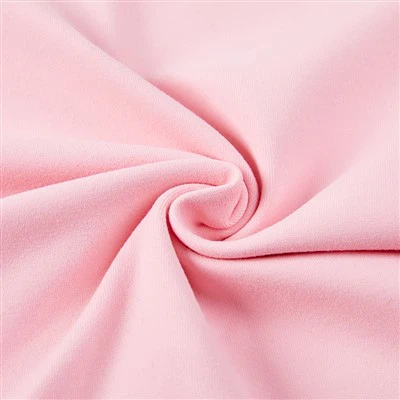
Determining the origin of swimsuit lining fabric is a crucial task for both manufacturers and consumers. As a swimsuit lining fabric supplier, I've encountered a lot of clients who are curious about where their fabrics come from. In this blog, I'll share some of the ways to figure out the origin of the swimsuit lining fabric.
1. Check the Label
The first and most obvious way is to check the label on the swimsuit or the fabric itself. Many reputable manufacturers will clearly state the origin of the fabric on the label. It might say something like "Made in Italy," "Fabric from Japan," etc. This is a straightforward method, but it only works if the label is accurate.
Some unethical manufacturers might mislabel their products to give the impression of a high - quality origin. So, while the label is a good starting point, it's not always foolproof.
2. Research the Manufacturer
If the label isn't clear or you're still unsure, researching the manufacturer can be a great next step. Look up the company online. Check their official website to see if they have any information about the sourcing of their fabrics.
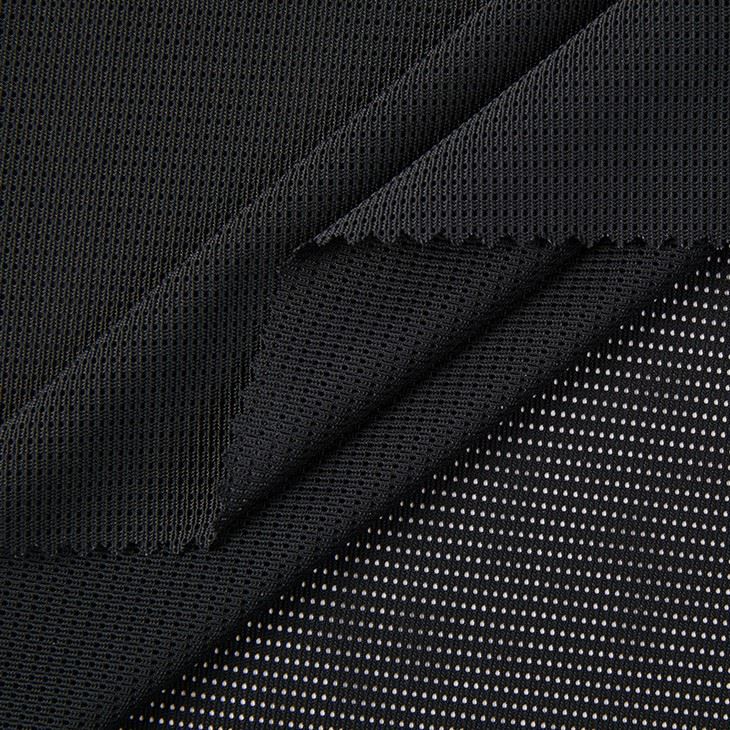
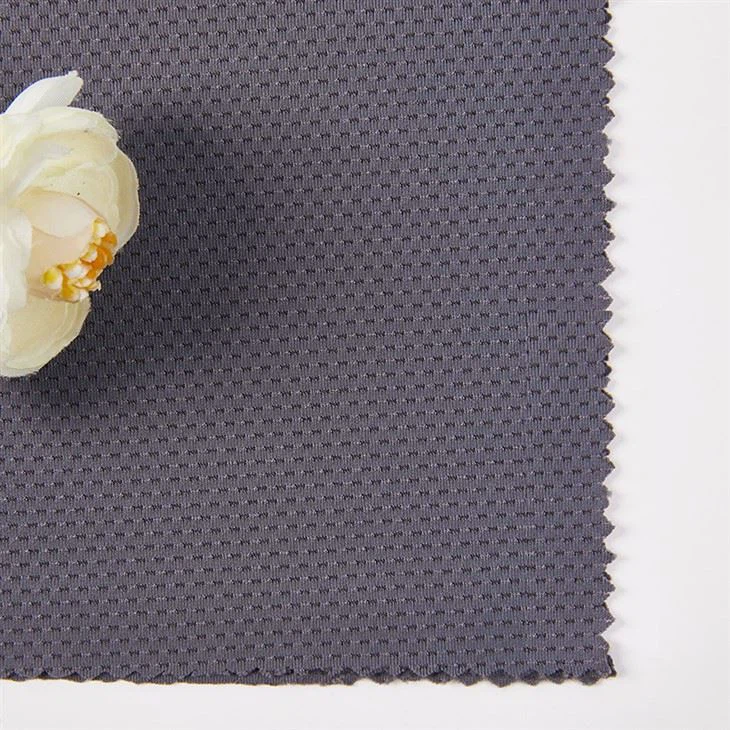
Most well - established manufacturers are proud of their supply chain and will be transparent about where they get their materials. You can also look for reviews and testimonials from other customers or industry insiders. They might have some insights into the origin of the fabrics used by that particular manufacturer.
3. Analyze the Fabric Characteristics
Different regions are known for producing fabrics with distinct characteristics. For example, European fabrics, especially those from Italy and France, are often associated with high - end, luxurious materials. They are usually made with fine yarns and have excellent craftsmanship. The colors are often more vibrant and long - lasting, and the texture is smooth and soft.
On the other hand, Asian fabrics, like those from Japan and South Korea, are known for their advanced technology and innovative designs. They might have features such as high stretchability, quick - drying properties, and durability.
If the swimsuit lining fabric has a very distinct texture, colorfastness, or stretch quality, it can give you a clue about its possible origin. For instance, if the fabric has a super - fine gauge and an extremely smooth finish, it might be from Italy.
4. Look for Certifications
Certifications can also be a good indicator of the fabric's origin. Some regions have specific certifications for their textiles. For example, the "Made in Switzerland" label often comes with strict quality control and environmental standards.
If the swimsuit lining fabric has a certification that is specific to a certain country or region, it's a strong indication that the fabric originated from there. However, just like with labels, make sure to verify the authenticity of the certification.
5. Consult Industry Experts
Industry experts, such as textile analysts, designers, or even other suppliers, can be a valuable resource. They have in - depth knowledge of the market and the various sources of swimsuit lining fabrics.
You can reach out to them through industry forums, professional networks, or trade shows. They can share their experiences and insights, and might even help you determine the origin of a particular fabric based on its appearance, feel, or other characteristics.
Our Offerings as a Supplier
As a swimsuit lining fabric supplier, we're committed to transparency regarding the origin of our fabrics. We source our materials from various regions around the world, carefully selecting the best options based on quality, sustainability, and performance.
We offer a wide range of swimwear fabrics, including Swimwear Fabric By The Metre, which gives our clients the flexibility to purchase the exact amount they need. Our Chlorine Resistant Swimwear Fabric is perfect for those who need swimsuits that can withstand the harsh effects of chlorine in swimming pools. And for the environmentally - conscious customers, we have Sustainable Swimwear Fabric, which is made from eco - friendly materials.
Why Determine the Origin?
Understanding the origin of the swimsuit lining fabric is not just about satisfying curiosity. There are several practical reasons for it.
Firstly, it can affect the quality of the swimsuit. As mentioned earlier, different regions have different levels of expertise and manufacturing standards. Knowing the origin can give you an idea of the fabric's quality, durability, and performance.
Secondly, it can be related to ethical and environmental concerns. Some regions have stricter labor laws and environmental regulations. By knowing the origin, you can ensure that the fabric is produced under ethical conditions and in an environmentally friendly way.
Finally, it can impact the cost. Fabrics from certain regions might be more expensive due to factors such as higher labor costs, better quality control, or limited availability. Understanding the origin can help you make more informed decisions about your budget.
Contact Us for Your Fabric Needs
If you're in the market for high - quality swimsuit lining fabrics and want to know more about the origin of our products, we're here to help. We can provide detailed information about the sourcing of each fabric we offer, and we're always happy to answer any questions you might have.
Whether you're a small - scale swimsuit designer or a large - scale manufacturer, we can work with you to find the perfect fabric for your needs. So, don't hesitate to reach out and start a discussion about your procurement requirements.
References
- Textile Industry Reports
- Interviews with Textile Experts
- Manufacturer's Product Information Sheets