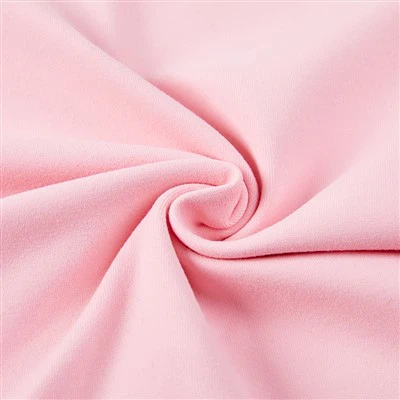
Polyester fabric leggings have become a staple in many wardrobes due to their durability, stretch, and resistance to wrinkles. As a supplier of high - quality polyester fabric leggings, I understand the importance of maintaining their appearance. Ironing is one of the key steps in keeping these leggings looking their best. In this blog, I'll share some professional tips on how to iron polyester fabric leggings properly.
Understanding Polyester Fabric
Before we start ironing, it's essential to understand the characteristics of polyester fabric. Polyester is a synthetic fiber known for its strength, wrinkle - resistance, and quick - drying properties. However, it has a relatively low melting point compared to natural fibers like cotton. This means that if you use too high a heat when ironing, the fabric can melt, stick to the iron, and be permanently damaged.
Polyester fabric leggings are versatile and can be used for various activities, from yoga to everyday wear. The Yoga Leggings Fabric we supply is designed to provide maximum comfort and flexibility during physical activities. Meanwhile, our Comfortable Yoga Pants Fabric offers a soft touch and excellent breathability. And for those who prefer a tighter fit, our Tights Fabric is a great choice.
Pre - ironing Preparation
- Read the Care Label: Every pair of leggings comes with a care label that provides specific instructions for washing and ironing. Always check this label first. It will tell you the maximum ironing temperature and other important details. For polyester fabric leggings, the label usually recommends a low to medium heat setting.
- Check the Leggings for Stains: Before ironing, make sure the leggings are clean. If there are any stains, treat them first. Ironing over stains can set them permanently into the fabric. You can use a stain remover appropriate for polyester fabric and follow the instructions on the product.
- Prepare the Ironing Surface: Use a clean, flat ironing board covered with a smooth cotton or linen cloth. This will prevent the leggings from sticking to the board and also protect the fabric from any rough spots on the board.
- Set the Iron Temperature: As mentioned earlier, polyester has a low melting point. Set your iron to a low or medium heat setting. If your iron has a fabric - specific setting, select the "polyester" option. You can also do a test on a small, inconspicuous area of the leggings to make sure the heat is not too high.
Ironing Techniques
- Turn the Leggings Inside Out: To protect the outer surface of the leggings from direct heat and potential shine marks, turn them inside out before ironing. This also helps to iron out any wrinkles on the inside, which can affect the overall appearance of the leggings.
- Use a Pressing Cloth: Even with a low - heat setting, it's a good idea to use a pressing cloth. A thin cotton or muslin cloth can be placed between the iron and the leggings. This adds an extra layer of protection and helps to distribute the heat evenly.
- Start Ironing: Begin ironing the leggings gently, moving the iron in a smooth, continuous motion. Avoid leaving the iron in one place for too long, as this can cause the fabric to melt or develop shiny spots. Focus on one section at a time, starting from the waistband and working your way down to the ankles.
- Iron the Seams: Pay special attention to the seams of the leggings. These areas tend to wrinkle more easily. Use the tip of the iron to carefully press along the seams, making sure they are flat and smooth.
- Handle Elastic Areas: If the leggings have elastic waistbands or cuffs, be extra careful when ironing these areas. Elastic can be damaged by high heat. You can either avoid ironing the elastic directly or use a very low - heat setting and a pressing cloth.
- Steam Ironing: If your iron has a steam function, you can use it to help relax the wrinkles in the polyester fabric. However, be cautious not to use too much steam, as excessive moisture can cause water spots on the fabric. Hold the iron a short distance from the leggings and gently steam the fabric while moving the iron.
Post - ironing Care
- Let the Leggings Cool Down: After ironing, allow the leggings to cool down completely before wearing or storing them. This helps the fabric to set in its new, wrinkle - free shape.
- Fold or Hang Properly: Once the leggings are cool, fold them neatly or hang them up. If you choose to hang them, use padded hangers to prevent stretching or creasing.
Troubleshooting
- Shiny Spots: If you notice shiny spots on the leggings after ironing, it means the heat was too high. You can try to remove these spots by placing a damp cloth over the area and gently pressing the iron on the cloth at a very low - heat setting.
- Melted Fabric: In the unfortunate event that the fabric has melted, there is usually no way to repair it. However, if the damage is minor, you can try to trim the melted area carefully with sharp scissors.
Why Choose Our Polyester Fabric Leggings
As a supplier, we are committed to providing the highest quality polyester fabric leggings. Our fabrics are sourced from trusted manufacturers and undergo strict quality control. We offer a wide range of styles, colors, and thicknesses to meet the diverse needs of our customers. Whether you are a retailer looking for bulk orders or an individual shopper, our leggings are sure to meet your expectations.
If you are interested in our Yoga Leggings Fabric, Comfortable Yoga Pants Fabric, or Tights Fabric, we welcome you to contact us for more information and to discuss your purchasing needs. We are always ready to provide professional advice and excellent customer service.


Conclusion
Ironing polyester fabric leggings is a simple process when you follow the right steps. By understanding the properties of polyester, preparing properly, using the correct ironing techniques, and taking post - ironing care, you can keep your leggings looking new for a long time. As a supplier, we hope these tips will help you maintain the quality of our products. If you have any questions or need further assistance, don't hesitate to reach out. We look forward to serving you and meeting your polyester fabric legging needs.
References
- "Textile Science and Technology: Man - Made Fibres" by A. K. Sarkar
- "The Complete Guide to Garment Care" by Consumer Reports