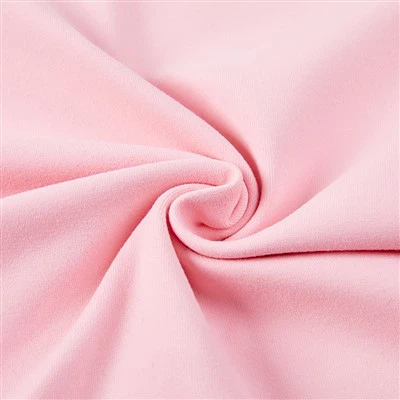
As a seasoned supplier of Shirting Knit Fabric, I've witnessed firsthand the challenges that static electricity can pose. Static can be a pesky issue, leading to discomfort for the wearer, attracting dust and lint, and even causing damage to sensitive electronic equipment in some cases. In this blog post, I'll share some effective strategies to reduce static in shirting knit fabric, ensuring that our products meet the highest standards of quality and comfort.
Understanding the Cause of Static in Shirting Knit Fabric
Before we delve into the solutions, it's essential to understand why static occurs in the first place. Static electricity is generated when two materials come into contact and then separate, causing electrons to transfer from one material to the other. In the case of shirting knit fabric, factors such as low humidity, friction, and the type of fibers used can contribute to static buildup.
Synthetic fibers like polyester are more prone to static than natural fibers like cotton. Polyester is a non - conductive material, which means that it can easily accumulate and retain an electric charge. When wearing shirts made from polyester - rich shirting knit fabrics, the rubbing of the fabric against the skin or other clothing items can lead to static discharge.
Strategies to Reduce Static in Shirting Knit Fabric
1. Fiber Selection
One of the most effective ways to reduce static is to choose the right fibers for the shirting knit fabric. As mentioned earlier, natural fibers like cotton have better conductivity than synthetic fibers. By blending cotton with synthetic fibers such as polyester, we can create a fabric that combines the best of both worlds.
Our Cotton Polyester Blend Printed Shirt Fabric is a prime example of a well - balanced blend. The cotton component helps to dissipate static electricity, while the polyester provides durability, wrinkle resistance, and a smooth finish. This blend not only reduces static but also offers excellent comfort and aesthetics.
For a higher proportion of natural fibers, we also offer fabrics with a high cotton content. Cotton allows moisture to be absorbed and released more easily, which helps to maintain a more balanced electrostatic environment, reducing the likelihood of static buildup.


2. Antistatic Finishes
Applying antistatic finishes to the shirting knit fabric is another effective method. Antistatic agents are chemicals that can be added to the fabric during the finishing process. These agents work by either increasing the surface conductivity of the fabric or by attracting moisture to the surface, which helps to dissipate static charges.
There are two main types of antistatic finishes: permanent and temporary. Permanent antistatic finishes are chemically bonded to the fabric fibers, providing long - lasting protection against static. Temporary antistatic finishes, on the other hand, can wear off after several washes but are generally more cost - effective.
Our Shirting Knit Fabric can be treated with high - quality antistatic finishes. We ensure that the finishes are environmentally friendly and do not compromise the fabric's softness, breathability, or colorfastness.
3. Humidity Control
As low humidity is a major contributor to static buildup, controlling the humidity during fabric production and storage can be very helpful. In the manufacturing process, maintaining a relative humidity of around 60 - 70% can significantly reduce static. This can be achieved through the use of humidifiers in the production facilities.
For consumers, using a humidifier at home, especially during the dry winter months, can also help to reduce static in the clothes. When the air is more humid, moisture is absorbed by the fabric, which increases its conductivity and helps to disperse static charges.
4. Design and Construction
The design and construction of the shirting knit fabric can also play a role in reducing static. For example, choosing a looser knit structure can minimize friction between the fabric and the skin or other clothing layers. A looser knit allows air to circulate more freely, which can help to dissipate static charges.
We also offer Warp - Knit Polyester Shirt Fabric with a unique construction that helps to reduce static. The warp - knit structure provides a more stable and even fabric surface, which reduces the likelihood of friction and static generation.
Tips for Consumers to Reduce Static in Shirting Knit Shirts
In addition to the measures taken during the production process, consumers can also take some steps to reduce static in the shirts they wear.
- Use fabric softeners: Fabric softeners can help to lubricate the fabric fibers, reducing friction and static. When washing shirting knit fabric shirts, add a small amount of fabric softener to the rinse cycle.
- Use dryer balls: When drying the shirts in a dryer, add a few dryer balls. These balls help to separate the fabric pieces, reducing friction and static buildup.
- Anti - static sprays: There are commercial anti - static sprays available that can be sprayed on the shirts before wearing. These sprays can provide a quick and effective solution to reduce static.
Conclusion
Reducing static in shirting knit fabric is a multi - faceted challenge that requires a combination of strategies, from fiber selection and antistatic finishes to humidity control and design considerations. As a Shirting Knit Fabric supplier, we are committed to providing our customers with high - quality fabrics that are not only stylish and comfortable but also free from annoying static issues.
If you are interested in our shirting knit fabric products or have any questions about static reduction, we invite you to engage in a procurement discussion. You can explore our product range in more detail through the links provided above. We look forward to working with you to meet your specific fabric needs.
References
- Textile Chemistry and Physics, Third Edition, H. E. Marshall.
- Encyclopedia of Textiles, Second Edition, edited by Harold K. Freeman.
- Handbook of Fiber Chemistry, Third Edition, edited by Menachem Lewin.