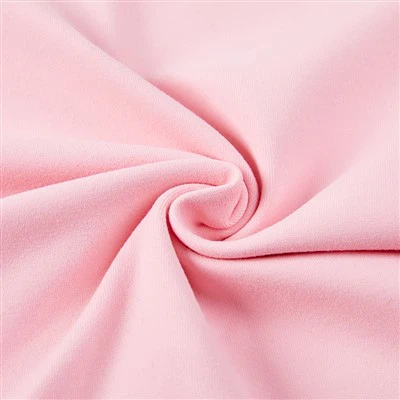
As a supplier of legging fabric, I understand the importance of proper storage to maintain the quality of our products. Legging fabric, whether it's Polyester Fabric Leggings, Yoga Leggings Fabric, or Gym Leggings Fabric, is a valuable commodity that requires careful handling from production to the hands of our customers. In this blog, I will share some scientific and practical tips on how to store legging fabric to keep it in good condition.
Understanding the Characteristics of Legging Fabric
Before delving into storage methods, it's essential to understand the nature of legging fabric. Most legging fabrics are made from synthetic materials such as polyester, nylon, and spandex. These materials are known for their stretch, durability, and moisture-wicking properties. However, they are also susceptible to damage from factors like sunlight, heat, humidity, and pests.


Polyester, a common component in legging fabric, is resistant to wrinkles and shrinking. It can withstand regular washing and drying without losing its shape. Nylon, on the other hand, is strong and abrasion-resistant, making it ideal for high - impact activities. Spandex provides the stretch and recovery that gives leggings their form - fitting nature. But spandex can break down over time if exposed to harsh conditions.
Ideal Storage Conditions
Temperature
The ideal temperature for storing legging fabric is between 50°F (10°C) and 70°F (21°C). Extreme temperatures can cause the fabric to expand or contract, leading to changes in its texture and elasticity. High temperatures can also accelerate the breakdown of spandex fibers, reducing the fabric's stretch. In contrast, very low temperatures can make the fabric brittle and more prone to cracking.
Humidity
Humidity levels should be kept between 30% and 50%. Excessive humidity can promote the growth of mold and mildew on the fabric, which not only damages the appearance but also weakens the fibers. Low humidity, on the other hand, can cause the fabric to become dry and static - prone, leading to fuzzing and pilling.
Light
Direct sunlight can fade the color of legging fabric and damage the fibers. It's best to store the fabric in a dark or dimly lit area. If possible, use opaque storage containers or cover the fabric with a light - blocking cloth.
Storage Containers
Plastic Containers
Plastic containers are a popular choice for storing legging fabric. They are airtight, which helps to protect the fabric from dust, pests, and moisture. Make sure the containers are clean and dry before placing the fabric inside. Label the containers with the type of fabric, color, and date of storage for easy identification.
Fabric Bags
Cotton or muslin fabric bags are also suitable for storing legging fabric. They allow the fabric to breathe, preventing the buildup of moisture. However, they may not provide as much protection against pests as plastic containers. To enhance protection, you can place a pest - repellent sachet inside the bag.
Folding and Rolling
Folding
When folding legging fabric, use a large, flat surface to ensure smooth folds. Avoid sharp creases, as they can weaken the fibers over time. If the fabric is very wide, fold it in half or thirds lengthwise before folding it into manageable sections. You can also use acid - free tissue paper between the folds to prevent the fabric from sticking together.
Rolling
Rolling the fabric is another option, especially for long pieces. Rolling helps to prevent creases and makes it easier to access the fabric. Use a cardboard tube or a wooden dowel to roll the fabric around. Make sure the roll is tight but not too tight to avoid stretching the fabric.
Handling and Maintenance
Regular Inspection
Periodically inspect the stored legging fabric for signs of damage, such as mold, mildew, pests, or discoloration. If you notice any issues, take immediate action to address them. For example, if there is mold, carefully remove the affected fabric and clean the storage area thoroughly.
Cleaning
Before storing the fabric, make sure it is clean. Any dirt, sweat, or stains left on the fabric can attract pests and cause discoloration over time. Follow the care instructions for the specific type of fabric when cleaning it. Some fabrics may require dry cleaning, while others can be machine - washed on a gentle cycle.
Dealing with Pests
Prevention
To prevent pests from infesting the stored legging fabric, keep the storage area clean and free of food debris. You can also use natural pest - repellents such as cedar chips, lavender sachets, or dried mint leaves. These substances emit a scent that pests find unpleasant.
Treatment
If you discover pests in the fabric, isolate the affected pieces immediately. You can freeze the fabric for 48 hours to kill any insects and their eggs. After freezing, let the fabric thaw at room temperature before returning it to storage.
Conclusion
Proper storage of legging fabric is crucial to maintaining its quality and extending its lifespan. By following the tips outlined in this blog, you can ensure that your legging fabric remains in excellent condition until it's ready to be used. Whether you're a small - scale crafter or a large - scale manufacturer, these storage methods will help you get the most out of your investment.
If you're interested in purchasing high - quality legging fabric for your business, I invite you to contact me for a procurement discussion. We offer a wide range of legging fabrics, including Polyester Fabric Leggings, Yoga Leggings Fabric, and Gym Leggings Fabric, to meet your specific needs.
References
- Textile Institute. Handbook of Textile Fibre Structure. Woodhead Publishing, 2009.
- American Association of Textile Chemists and Colorists (AATCC). Textile Testing Procedures. AATCC, 2020.