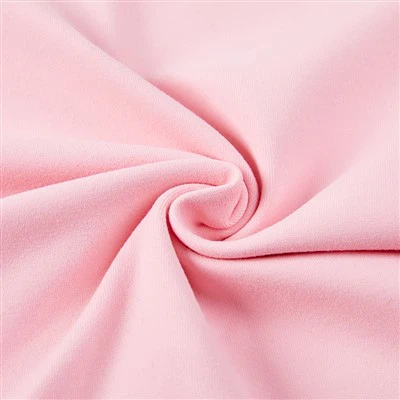
Hey there! As a supplier of nylon spandex fabric, I've seen firsthand how important it is to store this versatile material properly. Nylon spandex fabric is a blend of nylon and spandex fibers, which gives it unique properties like stretch, durability, and moisture-wicking abilities. Whether you're a fashion designer, a manufacturer, or just someone who loves working with fabric, knowing how to store nylon spandex fabric can help you keep it in top condition for longer.
Why Proper Storage Matters
Before we dive into the specifics of how to store nylon spandex fabric, let's talk about why it's so important. Nylon spandex fabric is sensitive to a variety of environmental factors, including temperature, humidity, light, and pests. If stored incorrectly, the fabric can become damaged, discolored, or lose its elasticity. This can not only affect the quality of your finished products but also lead to unnecessary waste and expense.
Proper storage can also help you organize your inventory and make it easier to find the fabric you need when you need it. By keeping your nylon spandex fabric in good condition, you can ensure that it's ready to use whenever you have a new project or order.
Ideal Storage Conditions
The ideal storage conditions for nylon spandex fabric are cool, dry, and dark. Here's a breakdown of each factor:
- Temperature: Nylon spandex fabric should be stored at a temperature between 60°F and 70°F (15°C and 21°C). Avoid storing the fabric in areas that are too hot or too cold, as extreme temperatures can cause the fabric to shrink, stretch, or become brittle.
- Humidity: The relative humidity in the storage area should be between 40% and 60%. High humidity can cause the fabric to absorb moisture, which can lead to mold, mildew, and discoloration. Low humidity, on the other hand, can cause the fabric to become dry and brittle.
- Light: Nylon spandex fabric should be stored in a dark place to prevent it from fading or discoloring. Exposure to sunlight or other sources of UV light can cause the fabric to lose its color and strength over time.
Storage Containers
When it comes to storing nylon spandex fabric, the right storage container can make all the difference. Here are some options to consider:


- Plastic bins: Plastic bins are a popular choice for storing fabric because they're inexpensive, durable, and easy to stack. Look for bins with tight-fitting lids to keep out dust, dirt, and pests.
- Cardboard boxes: Cardboard boxes are another option, but they're not as durable as plastic bins and can be more prone to damage from moisture and pests. If you use cardboard boxes, make sure they're clean and dry before you store the fabric in them.
- Garment bags: Garment bags are a good choice for storing larger pieces of fabric or finished garments. Look for bags made from breathable materials like cotton or polyester to prevent the fabric from sweating and developing mold.
Folding and Rolling
How you fold or roll your nylon spandex fabric can also affect its storage life. Here are some tips to keep in mind:
- Folding: When folding nylon spandex fabric, make sure to fold it along the grain to prevent it from stretching or distorting. Avoid folding the fabric too tightly, as this can cause creases that may be difficult to remove.
- Rolling: Rolling nylon spandex fabric is a good option if you want to prevent creases and make it easier to store the fabric in a small space. To roll the fabric, start at one end and roll it tightly, making sure to keep the edges straight. You can then store the rolled fabric in a tube or on a spool.
Avoiding Pests
Pests like moths, silverfish, and rodents can cause serious damage to nylon spandex fabric. Here are some tips to help you keep pests out of your storage area:
- Keep the area clean: Regularly clean your storage area to remove dust, dirt, and debris. This can help prevent pests from making a home in your fabric.
- Use pest control products: You can use pest control products like mothballs, cedar chips, or lavender sachets to repel pests. Make sure to follow the instructions on the product label carefully.
- Inspect your fabric regularly: Check your nylon spandex fabric regularly for signs of pest damage, such as holes, chewed edges, or webbing. If you find any signs of pests, take action immediately to prevent further damage.
Handling and Care
In addition to proper storage, it's also important to handle and care for your nylon spandex fabric correctly. Here are some tips to keep in mind:
- Wash the fabric before storing it: If you're storing new nylon spandex fabric, it's a good idea to wash it before you store it. This can help remove any dirt, chemicals, or sizing that may be on the fabric.
- Use gentle detergents: When washing nylon spandex fabric, use a gentle detergent and cold water. Avoid using bleach or fabric softeners, as these can damage the fabric.
- Dry the fabric properly: After washing, dry the nylon spandex fabric on a low heat setting or air dry it. Avoid using high heat, as this can cause the fabric to shrink or lose its elasticity.
- Iron the fabric carefully: If you need to iron nylon spandex fabric, use a low heat setting and a pressing cloth to prevent the fabric from melting or scorching.
Conclusion
Storing nylon spandex fabric properly is essential if you want to keep it in top condition for longer. By following the tips and guidelines outlined in this blog post, you can ensure that your nylon spandex fabric stays clean, dry, and free from damage. Remember to store the fabric in a cool, dry, and dark place, use the right storage containers, fold or roll the fabric correctly, and take steps to prevent pests.
If you're in the market for high-quality nylon spandex fabric, be sure to check out our selection of Nylon Spandex Elastic Mesh Fabric, Performance Nylon & Spandex Fabric, and 82% Nylon 18% Spandex Fabric. We offer a wide range of colors, patterns, and weights to suit your needs.
If you have any questions or would like to discuss your fabric requirements, please don't hesitate to contact us. We're here to help you find the perfect fabric for your next project.
References
- Textile Storage Guidelines, Textile Conservation Center
- Storing Fabric: Best Practices, Sewing World Magazine
- How to Store Fabric Properly, The Spruce Crafts