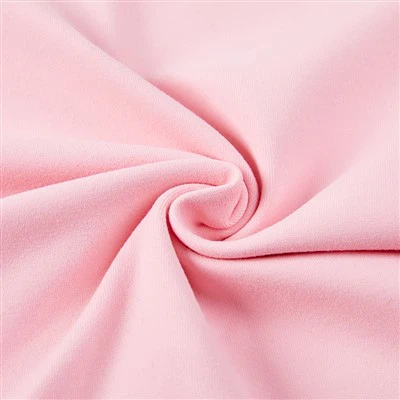
Storing polyester fabric leggings properly is essential to maintain their quality, shape, and longevity. As a supplier of Polyester Fabric Leggings, I understand the importance of providing customers with not only high - quality products but also useful advice on how to take care of them. In this blog, I'll share some scientific and practical tips on storing polyester fabric leggings.
Why Proper Storage Matters
Polyester is a synthetic fiber known for its durability, wrinkle - resistance, and moisture - wicking properties. However, improper storage can still lead to issues such as stretching, color fading, and the growth of mildew or bacteria. When leggings are stored in a haphazard way, they may lose their shape, which can affect their fit and appearance. Moreover, if they are stored in a damp environment, it can create a breeding ground for microorganisms, leading to unpleasant odors and potential damage to the fabric.


Pre - storage Preparation
Before storing your polyester fabric leggings, it's crucial to give them a proper cleaning. Even if they don't look dirty, they may have accumulated sweat, body oils, and other substances during wear. These substances can attract dirt and cause discoloration over time.
- Read the Care Label: Different polyester blends may have specific care instructions. Some leggings may be machine - washable, while others may require hand - washing. Make sure to follow the manufacturer's recommendations to avoid damaging the fabric.
- Sort by Color: Separate your leggings by color to prevent color bleeding. Dark - colored leggings can transfer dye onto lighter ones, especially during the washing and drying process.
- Wash and Dry: Use a mild detergent and a gentle cycle if machine - washing. Avoid using bleach or harsh chemicals, as they can weaken the polyester fibers. After washing, dry the leggings thoroughly. Tumble - drying on a low heat setting is usually safe, but air - drying is also a good option, especially for leggings with delicate details.
Ideal Storage Conditions
- Temperature and Humidity: Polyester fabric leggings should be stored in a cool, dry place. High temperatures can cause the fabric to become brittle and lose its elasticity, while high humidity can promote the growth of mold and mildew. A temperature range of 60 - 70°F (15 - 21°C) and a relative humidity of 30 - 50% are ideal.
- Light Exposure: Prolonged exposure to direct sunlight can cause the color of the leggings to fade. Store them in a closet or a drawer away from windows or other sources of direct light. If you need to store them in a room with windows, use curtains or blinds to block the sunlight.
Storage Methods
- Folding: Folding is one of the most common ways to store leggings. It's simple and space - efficient. To fold your leggings neatly:
- Lay the leggings flat on a clean surface.
- Smooth out any wrinkles or creases.
- Fold the leggings in half lengthwise, aligning the waistbands and the hems.
- Then, fold them in half again or into thirds, depending on the size of your storage space.
- Place the folded leggings in a drawer or on a shelf. You can stack them neatly, but avoid over - stacking, as this can cause the leggings at the bottom to become compressed and lose their shape.
- Hanging: Hanging is another option, especially for leggings with a thicker waistband or those that are prone to wrinkling. However, it's important to use the right hangers to prevent stretching.
- Use Wide - Shouldered Hangers: Regular wire hangers can leave marks on the waistband and cause the leggings to stretch out. Instead, use wide - shouldered hangers or padded hangers.
- Hang by the Waistband: Gently place the waistband of the leggings over the hanger, making sure it's evenly distributed. Avoid hanging the leggings by the legs, as this can cause them to stretch and become misshapen.
- Storage Containers: If you have a large collection of leggings or want to protect them from dust and pests, you can use storage containers. Plastic bins or fabric storage cubes are good options.
- Label the Containers: To make it easier to find the leggings you need, label the containers with the color, style, or size of the leggings inside.
- Add Desiccants: To absorb any excess moisture, you can add desiccant packets to the storage containers. Silica gel packets are commonly used and can be found in many packaging materials or purchased separately.
Special Considerations for Different Types of Polyester Fabric Leggings
- Comfortable Yoga Pants Fabric: Yoga pants are often made from a stretchy polyester blend that provides a high level of comfort and flexibility. When storing yoga leggings, be extra careful not to stretch them out. Fold them gently and avoid hanging them for long periods, as the weight of the legs can cause the fabric to stretch.
- Gym Leggings Fabric: Gym leggings are designed to withstand intense physical activity and may be exposed to more sweat and dirt. Make sure to wash them thoroughly after each workout before storing. If they have any reflective or printed details, avoid folding them in a way that creases these areas, as it can cause the details to crack or peel over time.
Regular Checks and Maintenance
Even when stored properly, it's a good idea to check your polyester fabric leggings regularly. Every few months, take them out of storage, inspect them for any signs of damage or discoloration, and refold or re - arrange them if necessary. This can help you catch any issues early and ensure that your leggings remain in good condition for a long time.
Conclusion
Proper storage of polyester fabric leggings is not only about keeping them looking good but also about extending their lifespan. By following the tips outlined in this blog, you can ensure that your leggings stay in top shape, whether you're a fitness enthusiast, a yoga lover, or simply someone who appreciates comfortable and stylish leggings.
If you're interested in purchasing high - quality Polyester Fabric Leggings, feel free to reach out to us for more information and to discuss your specific needs. We're always happy to assist you in finding the perfect leggings for your requirements.
References
- Textile Research Journal. "Properties and Care of Synthetic Fibers."
- Consumer Reports. "Best Ways to Store Clothing."