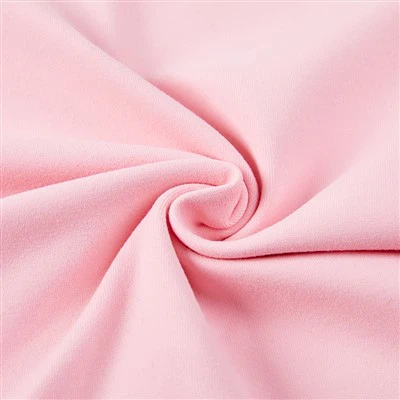
Hey there! I'm a supplier of Shirting Knit Fabric, and I know how crucial it is to ensure the color - fastness of the fabric we offer. Color - fastness is like the backbone of a high - quality shirting fabric. It determines how well the color holds up over time, through washes, sunlight exposure, and general wear and tear. In this blog, I'll share with you how we test the color - fastness of our Shirting Knit Fabric.
Why Color - Fastness Testing Matters
Before we dive into the testing methods, let's talk about why color - fastness is so important. As a shirting fabric supplier, we want our customers to be satisfied with the products they buy. No one wants a shirt that fades after just a few washes or changes color when it's exposed to sunlight. Good color - fastness ensures that the shirts made from our fabric look great for a long time, which in turn enhances the reputation of our brand and the brands that use our fabric.
Types of Color - Fastness Tests
1. Wash Fastness Test
The wash fastness test is one of the most common tests we conduct. It simulates the normal washing process that a shirt would go through. We use a washing machine and follow a standardized washing procedure. We put the fabric sample in a special washing bag along with some standard adjacent fabrics. The adjacent fabrics are used to check if the color from our shirting knit fabric transfers to other materials during washing.
We use a specific detergent and set the washing machine to a certain temperature and number of cycles. After the washing is done, we dry the samples and then evaluate the color change of the shirting fabric and the color staining on the adjacent fabrics. We use a gray scale to grade the color change and staining. A grade of 5 means no color change or staining, while a grade of 1 indicates a significant change or heavy staining.
For our Shirting Knit Fabric, we aim for a wash fastness grade of at least 4. This ensures that the fabric will maintain its color well even after multiple washes. You can learn more about high - quality shirt fabrics like ours at Shirting Knit Fabric.
2. Light Fastness Test
Sunlight can be a real enemy to fabric colors. Over time, exposure to sunlight can cause the color of the fabric to fade. That's why we conduct light fastness tests. We use a special light - exposure device that mimics the effects of sunlight. The fabric sample is exposed to the light for a specific period, usually several hours or days, depending on the test standard.


After the exposure, we compare the color of the exposed fabric with an unexposed fabric sample. Again, we use a gray scale to grade the color change. A high - grade light fastness, like a grade of 4 or 5, means that the fabric can withstand long - term sunlight exposure without significant color fading. This is especially important for summer shirts, as they are more likely to be exposed to sunlight. Check out Best T Shirt Material For Summer for more tips on summer - appropriate fabrics.
3. Rubbing Fastness Test
Shirts are often rubbed against other surfaces, such as chairs, desks, or other clothing items. This rubbing can cause the color to transfer. To test the rubbing fastness of our Shirting Knit Fabric, we use a rubbing tester. The fabric sample is rubbed against a standard white cloth under a certain pressure and for a specific number of rubs.
After the rubbing, we check the color staining on the white cloth. There are two types of rubbing tests: dry rubbing and wet rubbing. In the dry rubbing test, the white cloth is dry, while in the wet rubbing test, the white cloth is moistened. We grade the staining using a gray scale, with higher grades indicating better rubbing fastness.
Our In - House Testing Process
At our supply facility, we have a well - equipped testing lab. Our team of experts follows strict testing protocols. We start by taking multiple fabric samples from different batches to ensure that the test results are representative of the entire production.
Once we have the samples, we conduct the wash, light, and rubbing fastness tests as described above. We record all the test results carefully, including the grades for color change and staining. If any of the samples fail to meet our quality standards, we investigate the cause. It could be a problem with the dyeing process, the quality of the raw materials, or other factors.
We also use advanced testing equipment to ensure accurate results. For example, our color - measuring devices can precisely measure the color difference before and after the tests. This helps us to provide objective and reliable information to our customers.
Impact of Color - Fastness on Product Quality
Good color - fastness has a huge impact on the overall quality of the shirting product. When a shirt has excellent color - fastness, it not only looks better for longer but also feels more durable. Customers are more likely to be satisfied with a shirt that maintains its color, and they are more likely to become repeat customers.
Moreover, in the fashion industry, brand reputation is everything. Brands that use our Shirting Knit Fabric with high color - fastness can build a positive image for themselves. They can offer their customers high - quality shirts that stand the test of time.
For instance, our Warp - Knit Polyester Shirt Fabric undergoes rigorous color - fastness testing. This fabric has great potential for various shirt styles, and its good color - fastness makes it a popular choice among our customers.
Conclusion
Testing the color - fastness of Shirting Knit Fabric is a crucial part of our business. By conducting wash, light, and rubbing fastness tests, we can ensure that our fabric meets the highest quality standards. This not only benefits our customers but also helps us to build a strong reputation in the market.
If you're in the market for high - quality Shirting Knit Fabric with excellent color - fastness, we'd love to hear from you. Whether you're a clothing brand looking for a reliable fabric supplier or a retailer searching for top - notch products, we can provide you with the fabric you need. Contact us to start a procurement discussion and see how our fabric can elevate your products.
References
- ASTM International standards for textile color - fastness testing
- ISO standards related to fabric color - fastness evaluation