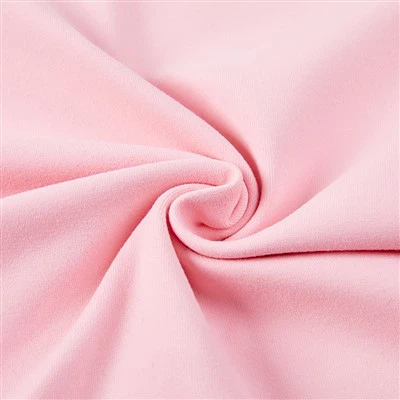
Hey there, cycling enthusiasts and fellow gear lovers! I'm the owner of a Bike Jersey Fabric supply business, and today, I'm super stoked to dive into a topic that's been buzzing in the cycling community: Is bike jersey fabric available in different thread counts?
Let's start with the basics. Thread count is a term you might be more familiar with when it comes to bedding or clothing. It refers to the number of threads woven together in one square inch of fabric. In simple terms, the higher the thread count, the more threads there are per square inch. But how does this concept translate to bike jersey fabric?
Well, the short answer is yes, bike jersey fabric is definitely available in different thread counts. And just like with other types of fabric, the thread count can have a significant impact on the fabric's performance, feel, and durability.
The Impact of Thread Count on Bike Jersey Fabric
Performance
When it comes to cycling, performance is key. A bike jersey needs to be breathable, lightweight, and able to wick away sweat quickly. A higher thread count generally means a denser fabric, which can offer better insulation and protection from the elements. However, it can also make the fabric less breathable. On the other hand, a lower thread count fabric is usually more breathable but may not offer as much protection.
For example, if you're a road cyclist who rides in hot and humid conditions, you might prefer a bike jersey made from a fabric with a lower thread count. This type of fabric will allow more air to circulate, keeping you cool and dry. Check out our Quick-drying Cycling Jersey Fabric for some great options that are perfect for hot weather riding.


If you're a mountain biker who rides in cooler temperatures or in areas with a lot of wind, a bike jersey with a higher thread count might be a better choice. The denser fabric will help to keep you warm and protected from the elements.
Feel
The thread count also affects how the fabric feels against your skin. A higher thread count fabric is often softer and smoother, which can be more comfortable to wear. However, it can also be heavier and less flexible. A lower thread count fabric is usually more lightweight and flexible, but it may feel rougher against your skin.
It really comes down to personal preference. Some cyclists prefer the smooth, soft feel of a high thread count fabric, while others prefer the lightweight and flexible feel of a low thread count fabric. When choosing a bike jersey, it's important to try it on and see how it feels against your skin.
Durability
Durability is another important factor to consider when choosing a bike jersey fabric. A higher thread count fabric is generally more durable because it has more threads per square inch. This means that it's less likely to tear or wear out over time. However, it can also be more expensive.
A lower thread count fabric is usually less durable, but it's also more affordable. If you're on a budget or you don't ride very often, a lower thread count fabric might be a good option for you. But if you're a serious cyclist who rides frequently, investing in a higher thread count fabric might be worth it in the long run.
Different Types of Bike Jersey Fabric and Their Thread Counts
There are several different types of bike jersey fabric available, each with its own unique characteristics and thread counts. Here are some of the most common types:
Polyester
Polyester is one of the most popular materials used in bike jersey fabric. It's lightweight, breathable, and quick-drying, making it a great choice for cycling. Polyester fabrics can have a wide range of thread counts, from low to high.
Low thread count polyester fabrics are usually more breathable and lightweight, making them ideal for hot weather riding. High thread count polyester fabrics are denser and more durable, offering better protection from the elements. Check out our Cycling Clothing Material page for more information on polyester bike jersey fabrics.
Nylon
Nylon is another popular material used in bike jersey fabric. It's strong, durable, and resistant to abrasion, making it a great choice for mountain biking. Nylon fabrics typically have a higher thread count than polyester fabrics, which makes them more durable but also less breathable.
If you're a mountain biker who needs a jersey that can withstand a lot of wear and tear, a nylon bike jersey might be a good option for you. However, if you ride in hot and humid conditions, you might want to choose a polyester jersey instead.
Lycra
Lycra, also known as spandex, is a stretchy material that's often used in bike jersey fabric to provide a snug fit. Lycra fabrics usually have a lower thread count than polyester or nylon fabrics, which makes them more flexible and comfortable to wear.
However, Lycra is not as breathable or durable as polyester or nylon, so it's often blended with other materials to improve its performance. Many bike jerseys are made from a blend of polyester, nylon, and Lycra to combine the best properties of each material.
Choosing the Right Thread Count for Your Needs
So, how do you choose the right thread count for your bike jersey? It really depends on your individual needs and preferences. Here are some factors to consider:
Riding Conditions
If you ride in hot and humid conditions, you'll want a bike jersey made from a fabric with a lower thread count. This will allow more air to circulate, keeping you cool and dry. If you ride in cooler temperatures or in areas with a lot of wind, a bike jersey with a higher thread count might be a better choice.
Riding Style
Your riding style also plays a role in choosing the right thread count. If you're a road cyclist who rides at a high speed, you'll want a bike jersey that's lightweight and aerodynamic. A lower thread count fabric might be a good option for you. If you're a mountain biker who rides on rough terrain, you'll need a bike jersey that's durable and can withstand a lot of wear and tear. A higher thread count fabric might be a better choice.
Budget
Finally, your budget is an important factor to consider. Higher thread count fabrics are usually more expensive than lower thread count fabrics. If you're on a budget, you might want to choose a bike jersey made from a lower thread count fabric. However, if you're willing to spend a little more, you can get a bike jersey made from a higher thread count fabric that will last longer and perform better.
Conclusion
In conclusion, bike jersey fabric is available in different thread counts, and the thread count can have a significant impact on the fabric's performance, feel, and durability. When choosing a bike jersey, it's important to consider your riding conditions, riding style, and budget to find the right thread count for your needs.
If you're interested in learning more about bike jersey fabric or if you're looking to purchase some high-quality bike jersey fabric, check out our Bike Jersey Fabric page. We offer a wide range of bike jersey fabrics in different thread counts and materials to suit your needs.
If you have any questions or if you'd like to discuss your specific requirements, please don't hesitate to reach out. We're always happy to help and look forward to the opportunity to work with you on your next cycling project.
References
- Textile Institute. (n.d.). Thread Count in Fabrics. Retrieved from [No link available]
- Cycling Industry News. (n.d.). The Science of Cycling Clothing. Retrieved from [No link available]