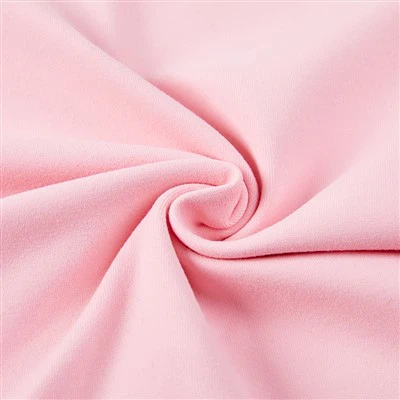
Nylon spandex fabric, a popular choice in the textile industry, combines the strength and durability of nylon with the stretch and flexibility of spandex. As a nylon spandex fabric supplier, I often receive inquiries about the fabric's properties, one of the most common being whether it is prone to pilling. In this blog post, I will delve into the science behind pilling, explore the factors that influence pilling in nylon spandex fabric, and provide insights on how to minimize this issue.
Understanding Pilling
Pilling is the formation of small, fuzzy balls of fiber on the surface of a fabric. It occurs when fibers break, tangle, and clump together due to friction during normal wear and washing. Pilling can affect the appearance and quality of a fabric, making it look worn and less appealing. While pilling is a common issue in many types of fabrics, the likelihood and severity of pilling can vary depending on several factors, including the fiber composition, fabric construction, and care instructions.
Factors Affecting Pilling in Nylon Spandex Fabric
Fiber Composition
Nylon and spandex are both synthetic fibers with different properties that can influence pilling. Nylon is a strong and durable fiber that is resistant to abrasion and stretching. It has a smooth surface that makes it less likely to pill compared to other fibers. Spandex, on the other hand, is a highly elastic fiber that provides stretch and recovery. While spandex itself is not prone to pilling, it can contribute to pilling in nylon spandex fabric if it is not properly blended or if the fabric is subjected to excessive friction.
Fabric Construction
The way a nylon spandex fabric is constructed can also affect its pilling resistance. Fabrics with a tight weave or knit structure are generally less prone to pilling because the fibers are held in place more securely. For example, a Knitted Nylon-spandex Fabric with a fine gauge or a closely woven fabric may have better pilling resistance than a looser knit or woven fabric. Additionally, the type of finish applied to the fabric can also impact pilling. Some finishes, such as anti-pilling treatments, can help reduce the likelihood of pilling.


Care Instructions
Proper care and maintenance of nylon spandex fabric can significantly reduce the risk of pilling. Washing the fabric in cold water, using a gentle cycle, and avoiding harsh detergents or bleach can help prevent fiber damage and minimize pilling. It is also recommended to turn the fabric inside out before washing to reduce friction between the fabric and other items in the washing machine. When drying the fabric, it is best to air dry or use a low heat setting to avoid overheating and damaging the fibers.
Is Nylon Spandex Fabric Prone to Pilling?
In general, nylon spandex fabric is not highly prone to pilling compared to some other types of fabrics, such as wool or cotton. The smooth surface of nylon and the elasticity of spandex help reduce friction and prevent fibers from breaking and tangling. However, the likelihood of pilling can still vary depending on the specific fiber composition, fabric construction, and care instructions.
For example, a 82% Nylon 18% Spandex Fabric with a high nylon content and a tight knit structure is likely to have better pilling resistance than a fabric with a lower nylon content or a looser knit. Similarly, a Performance Nylon & Spandex Fabric that has been treated with an anti-pilling finish may be less prone to pilling than an untreated fabric.
Minimizing Pilling in Nylon Spandex Fabric
While nylon spandex fabric is generally resistant to pilling, there are several steps you can take to minimize this issue:
- Choose the Right Fabric: When selecting nylon spandex fabric, look for fabrics with a high nylon content, a tight weave or knit structure, and an anti-pilling finish. These factors can help improve the fabric's pilling resistance.
- Follow Care Instructions: Always follow the care instructions provided by the manufacturer to ensure proper care and maintenance of the fabric. This includes washing the fabric in cold water, using a gentle cycle, and avoiding harsh detergents or bleach.
- Reduce Friction: Minimize friction between the fabric and other surfaces by avoiding rough or abrasive materials. When wearing nylon spandex clothing, avoid sitting on rough surfaces or rubbing against sharp objects.
- Remove Pills Regularly: If pills do form on the fabric, you can remove them using a pill remover or a fabric shaver. This can help keep the fabric looking fresh and new.
Conclusion
In conclusion, nylon spandex fabric is generally not highly prone to pilling compared to some other types of fabrics. However, the likelihood of pilling can still vary depending on several factors, including the fiber composition, fabric construction, and care instructions. By choosing the right fabric, following care instructions, reducing friction, and removing pills regularly, you can minimize the risk of pilling and keep your nylon spandex fabric looking its best.
As a nylon spandex fabric supplier, I am committed to providing high-quality fabrics that meet the needs of my customers. If you are interested in purchasing nylon spandex fabric or have any questions about pilling or other fabric properties, please feel free to contact me. I would be happy to assist you with your procurement needs and provide you with more information about our products.
References
- Textile Institute. (2019). Handbook of Textile Fibre Structure. Woodhead Publishing.
- Horrocks, A. R., & Anand, S. C. (Eds.). (2000). Handbook of Technical Textiles. Woodhead Publishing.
- Tortora, P. G., & Merkel, J. B. (2009). Fairchild's Dictionary of Textiles. Fairchild Books.