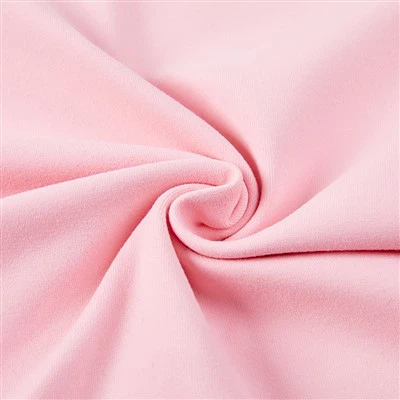
As a supplier of ribbed swimwear fabric, I've received numerous inquiries about the pilling resistance of our products. Pilling is a common concern for consumers when it comes to swimwear, as it can affect the appearance and durability of the garment. In this blog post, I'll delve into the science behind pilling, explore the factors that influence the pilling resistance of ribbed swimwear fabric, and share some tips on how to maintain your swimwear to prevent pilling.
Understanding Pilling
Pilling is the formation of small balls of fiber on the surface of a fabric. It occurs when fibers break or loosen from the fabric and become entangled with each other. This can happen due to friction, abrasion, or repeated washing and drying. Pilling is more likely to occur in fabrics that are made from short fibers or have a loose weave, as these fibers are more easily pulled out of the fabric.
In the case of swimwear, pilling can be particularly problematic because swimsuits are often exposed to harsh chemicals, such as chlorine and saltwater, which can weaken the fibers and make them more prone to pilling. Additionally, the constant rubbing and stretching that occurs when swimming can also contribute to pilling.
Factors Affecting the Pilling Resistance of Ribbed Swimwear Fabric
The pilling resistance of ribbed swimwear fabric is influenced by several factors, including the type of fiber used, the construction of the fabric, and the finishing treatments applied.
Fiber Type
The type of fiber used in the fabric is one of the most important factors affecting its pilling resistance. Synthetic fibers, such as polyester and nylon, are generally more resistant to pilling than natural fibers, such as cotton and wool. This is because synthetic fibers are stronger and more durable, and they have a smoother surface that is less likely to snag and form pills.
In our ribbed swimwear fabric, we use a high-quality blend of polyester and spandex. Polyester is a strong and durable fiber that is resistant to pilling, while spandex provides stretch and flexibility. This combination of fibers makes our fabric both comfortable and long-lasting, and it helps to prevent pilling.
Fabric Construction
The construction of the fabric also plays a role in its pilling resistance. Ribbed fabrics are typically more resistant to pilling than smooth fabrics because the ribs help to trap the fibers and prevent them from becoming loose and entangled. Additionally, fabrics with a tight weave are generally more resistant to pilling than fabrics with a loose weave.
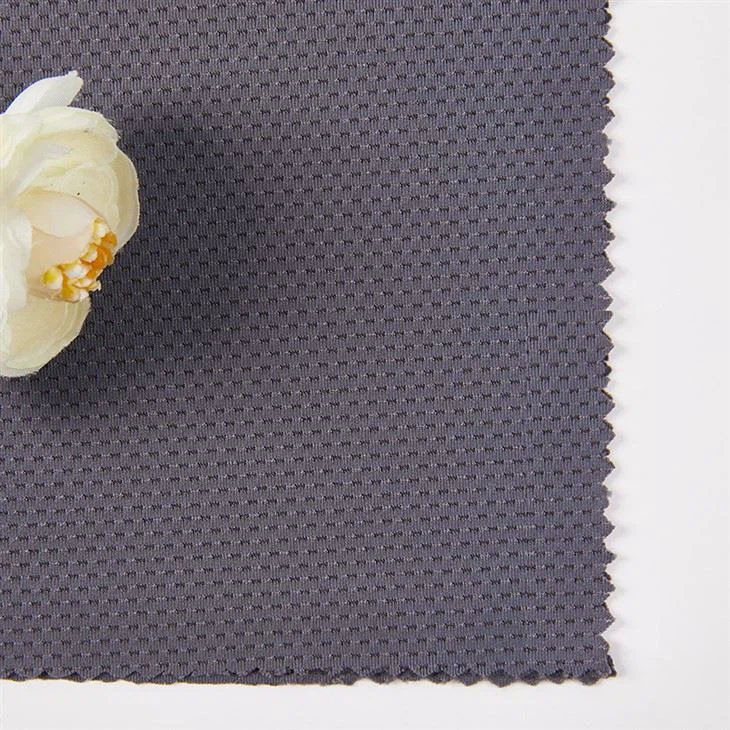
Our ribbed swimwear fabric is constructed using a tight, double-knit weave that helps to prevent pilling. The double-knit construction also provides extra strength and durability, making our fabric ideal for swimwear.
Finishing Treatments
Finishing treatments can also be used to improve the pilling resistance of ribbed swimwear fabric. For example, some fabrics are treated with a special coating that helps to reduce friction and prevent fibers from breaking. Other fabrics are treated with a chemical that helps to strengthen the fibers and make them more resistant to pilling.
At our company, we use a variety of finishing treatments to improve the pilling resistance of our ribbed swimwear fabric. These treatments are carefully selected to ensure that they do not affect the comfort or performance of the fabric.
Tips for Maintaining Your Ribbed Swimwear to Prevent Pilling
While our ribbed swimwear fabric is designed to be resistant to pilling, there are still some steps you can take to maintain your swimwear and prevent pilling.
Wash Your Swimwear Properly
One of the most important things you can do to prevent pilling is to wash your swimwear properly. Always follow the care instructions on the label, and use a mild detergent that is specifically designed for swimwear. Avoid using bleach or fabric softeners, as these can damage the fibers and make them more prone to pilling.
When washing your swimwear, turn it inside out to reduce friction and prevent the fibers from rubbing against each other. Additionally, wash your swimwear separately from other clothing to prevent it from getting snagged on zippers or other rough surfaces.
Avoid Over-Drying Your Swimwear
Over-drying your swimwear can also contribute to pilling. When drying your swimwear, use a low heat setting and remove it from the dryer as soon as it is dry. Avoid leaving your swimwear in the dryer for too long, as this can cause the fibers to become brittle and more prone to pilling.
Store Your Swimwear Properly
Proper storage is also important for preventing pilling. When storing your swimwear, fold it neatly and place it in a drawer or on a shelf. Avoid hanging your swimwear, as this can cause the fabric to stretch and become misshapen. Additionally, avoid storing your swimwear in direct sunlight or in a hot, humid environment, as this can damage the fibers and make them more prone to pilling.

Conclusion
In conclusion, ribbed swimwear fabric can be resistant to pilling if it is made from high-quality fibers, has a tight weave, and is treated with appropriate finishing treatments. At our company, we are committed to providing our customers with the highest quality ribbed swimwear fabric that is both comfortable and long-lasting. By following the tips outlined in this blog post, you can help to maintain your swimwear and prevent pilling, ensuring that it looks and performs its best for years to come.
If you're interested in purchasing our ribbed swimwear fabric, we offer a wide range of options, including Swimwear Fabric By The Metre, Swimsuit Lining Fabric, and Sustainable Swimwear Fabric. We're always happy to discuss your specific needs and help you find the perfect fabric for your project. Contact us today to start the conversation and explore our product offerings for your swimwear manufacturing needs.
References
- Textile Institute. (2019). Pilling of Textiles: A Review. Journal of the Textile Institute, 110(1), 1-15.
- Morton, W. E., & Hearle, J. W. S. (2008). Physical Properties of Textile Fibres. Woodhead Publishing.
- Horrocks, A. R., & Anand, S. C. (Eds.). (2000). Handbook of Technical Textiles. Woodhead Publishing.