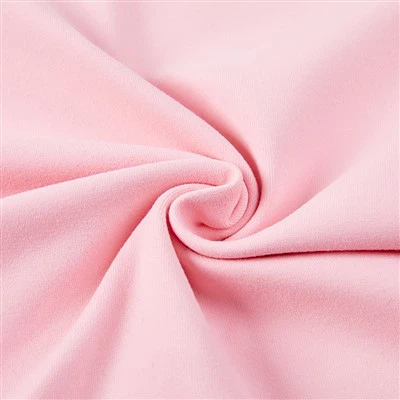
As a dedicated yoga fabric supplier, I've spent countless hours exploring the diverse world of materials that go into creating high - quality yoga wear. One question that frequently arises in my conversations with clients, yoga enthusiasts, and fellow industry professionals is whether yoga fabric is anti - microbial. In this blog post, I'll delve into the science behind this topic, exploring what anti - microbial properties are, which yoga fabrics might possess them, and the implications for both consumers and the yoga industry.
Understanding Anti - microbial Properties
Before we dive into whether yoga fabric can be anti - microbial, it's essential to understand what anti - microbial means. Microbes, including bacteria, fungi, and viruses, are ubiquitous in our environment. While many microbes are harmless or even beneficial, some can cause unpleasant odors, skin infections, and other health issues. Anti - microbial materials are designed to inhibit the growth and spread of these harmful microorganisms.


There are several ways a fabric can achieve anti - microbial properties. One common method is through the use of anti - microbial agents, which can be added during the manufacturing process. These agents can be natural, such as silver ions, which have long been known for their antibacterial properties, or synthetic chemicals designed specifically to target and kill microbes.
Yoga Fabrics and Anti - microbial Potential
When it comes to yoga fabrics, there is a wide range of materials available, each with its own unique characteristics. Let's take a closer look at some of the most popular yoga fabrics and their potential anti - microbial properties.
4 Way Stretch Yoga Fabric
4 Way Stretch Yoga Fabric is highly sought after in the yoga industry due to its excellent flexibility and ability to move with the body during various yoga poses. This type of fabric is often made from a blend of polyester and spandex, which provides stretch and durability.
Polyester itself is not inherently anti - microbial. However, some manufacturers may treat polyester fabrics with anti - microbial agents to enhance their performance. These treatments can help prevent the growth of bacteria that cause odor, making the fabric more hygienic and comfortable to wear. For example, silver - based anti - microbial treatments can be applied to polyester fibers, creating a protective barrier against microbes.
Nylon 75% Spandex 25% Yoga Wear Fabric
Nylon 75% Spandex 25% Yoga Wear Fabric is another popular choice for yoga clothing. Nylon is a synthetic polymer known for its strength and abrasion resistance, while spandex adds stretch and elasticity.
Similar to polyester, nylon is not naturally anti - microbial. However, it can be treated with anti - microbial agents to reduce the risk of bacterial growth. Some nylon fabrics are also engineered to wick away moisture, which can help keep the skin dry and less hospitable to microbes. By preventing the accumulation of sweat, these fabrics can reduce the likelihood of odor and skin irritation.
Yoga Pants Soft Fabric
Yoga Pants Soft Fabric is typically made from a blend of natural and synthetic fibers, such as cotton and polyester. Cotton is a breathable and comfortable material, but it can absorb moisture and provide a breeding ground for bacteria if not properly cared for.
To address this issue, some manufacturers may combine cotton with anti - microbial synthetic fibers or apply anti - microbial treatments to the fabric. This can help maintain the softness and comfort of cotton while reducing the risk of microbial growth. Additionally, fabrics with moisture - wicking properties can help keep the pants dry, further inhibiting the growth of bacteria.
The Benefits of Anti - microbial Yoga Fabric
The use of anti - microbial yoga fabric offers several benefits for both consumers and the yoga industry as a whole.
For Consumers
- Odor Control: One of the most significant benefits of anti - microbial fabric is its ability to control odor. During a yoga session, the body sweats, and bacteria can break down the sweat, producing unpleasant smells. Anti - microbial fabric helps prevent the growth of these odor - causing bacteria, keeping the yoga clothing fresh and odor - free.
- Skin Health: Anti - microbial fabric can also promote better skin health. By reducing the presence of harmful bacteria on the fabric, the risk of skin infections, rashes, and irritations is minimized. This is especially important for individuals with sensitive skin.
- Longer Lifespan: Since anti - microbial fabric is less likely to develop odor and bacterial stains, it can last longer than non - treated fabrics. This means consumers can get more use out of their yoga clothing, saving money in the long run.
For the Yoga Industry
- Enhanced Product Quality: The use of anti - microbial fabric can enhance the overall quality of yoga products. This can lead to increased customer satisfaction and loyalty, as consumers are more likely to purchase high - quality, hygienic yoga clothing.
- Sustainability: By reducing the need for frequent washing, anti - microbial fabric can contribute to a more sustainable yoga industry. Less washing means less water and energy consumption, as well as a reduced environmental impact.
Factors Affecting Anti - microbial Performance
While anti - microbial yoga fabric offers many benefits, it's important to note that its performance can be affected by several factors.
Washing and Care
Frequent washing and the use of harsh detergents can reduce the effectiveness of anti - microbial treatments. Over time, the anti - microbial agents may wear off, leaving the fabric more susceptible to microbial growth. To maintain the anti - microbial properties of the fabric, it's important to follow the manufacturer's care instructions, which may include using mild detergents and avoiding excessive washing.
Environmental Conditions
The environment in which the yoga fabric is used can also affect its anti - microbial performance. High humidity and warm temperatures can create a more favorable environment for microbial growth, even on anti - microbial fabric. In these conditions, it's important to take extra precautions, such as changing into clean clothing after a yoga session and allowing the fabric to dry thoroughly.
Conclusion and Call to Action
In conclusion, while not all yoga fabrics are inherently anti - microbial, many can be treated to possess these properties. The use of anti - microbial yoga fabric offers numerous benefits for consumers, including odor control, skin health, and a longer lifespan for their yoga clothing. For the yoga industry, it can enhance product quality and contribute to sustainability.
If you're in the market for high - quality, anti - microbial yoga fabric, I invite you to explore our extensive range of products. We offer a variety of 4 Way Stretch Yoga Fabric, Nylon 75% Spandex 25% Yoga Wear Fabric, and Yoga Pants Soft Fabric options, all designed to meet the needs of the modern yoga enthusiast. Whether you're a yoga clothing manufacturer or an individual looking for the perfect yoga outfit, we're here to help. Contact us today to discuss your requirements and start a partnership that will take your yoga products to the next level.
References
- “Antimicrobial Textiles: A Review.” Journal of Industrial and Engineering Chemistry, vol. 20, no. 2, 2014, pp. 391 - 400.
- “The Role of Silver in Antimicrobial Textiles.” Textile Research Journal, vol. 82, no. 10, 2012, pp. 1015 - 1023.
- “Moisture Management in Textiles.” Woodhead Publishing, 2010.