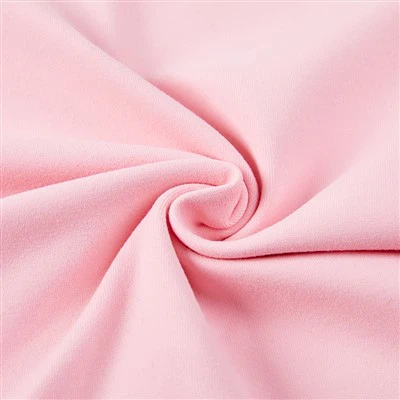
Hey there, cycling enthusiasts and fellow gear lovers! As a supplier of cycling jersey fabric, I've spent a ton of time diving deep into the world of materials that make up these essential pieces of cycling gear. Today, I'm stoked to share with you the common materials used in cycling jersey fabric.
Polyester
Let's start with one of the most popular materials out there: polyester. Polyester is a synthetic fabric that's been a staple in cycling jerseys for ages, and for good reason. It's lightweight, which is crucial when you're out on the road or trail, trying to shave off every extra ounce. You don't want a heavy jersey weighing you down, right?
One of the major perks of polyester is its moisture-wicking properties. When you're pedaling hard and working up a sweat, this fabric pulls the moisture away from your skin and onto the surface of the jersey, where it can evaporate quickly. This helps keep you dry and comfortable, even during intense rides. Plus, polyester is really durable. It can withstand a lot of wear and tear, so your jersey will last you through many rides.
Another great thing about polyester is that it's easy to care for. You can just toss it in the washing machine, and it'll come out looking good as new. And it doesn't wrinkle easily, so you don't have to worry about spending time ironing it before your next ride. If you're looking for a reliable and affordable option, polyester is definitely a top choice. Check out Fabric for Cycling Jersey for some great polyester-based options.
Nylon
Nylon is another synthetic material that's commonly used in cycling jerseys. It's similar to polyester in some ways, but it has its own unique features. Nylon is super strong and abrasion-resistant, which means it can handle rough trails and unexpected spills better than some other fabrics. If you're into mountain biking or off-road cycling, nylon might be the way to go.
Like polyester, nylon is also lightweight and has good moisture-wicking capabilities. It can keep you dry and comfortable, even in challenging conditions. And it has a nice stretch to it, which allows for a full range of motion when you're cycling. You won't feel restricted by your jersey, whether you're climbing steep hills or bombing down descents.
However, nylon can be a bit more expensive than polyester. But if you're willing to invest in a high-quality jersey that can stand up to the rigors of your cycling adventures, it's definitely worth considering. Head over to Best Fabric for Cycling Jersey to see some nylon-based options that are perfect for serious cyclists.
Spandex
Spandex, also known as Lycra, is a stretchy synthetic material that's often blended with other fabrics in cycling jerseys. It's what gives jerseys that form-fitting look and feel. When you wear a jersey with spandex, it hugs your body closely, which not only looks cool but also has some practical benefits.
The form-fitting nature of spandex helps reduce wind resistance. When you're cycling at high speeds, every little bit of aerodynamics counts. A jersey with spandex can help you cut through the air more efficiently, which can save you energy and help you go faster. And because it stretches, it allows for a full range of motion without bunching up or getting in the way.
Spandex also adds a bit of comfort to the jersey. It's soft against the skin and doesn't feel restrictive, even when you're making sudden movements. But be careful not to overdo it with the spandex. Too much can make the jersey too tight and uncomfortable, especially if you're wearing it for long periods of time. Look for jerseys that have a good balance of spandex and other materials. You can find some great spandex-blend options at Bike Jersey Fabric.
Merino Wool
Now, let's talk about a more natural option: merino wool. Merino wool is a type of wool that comes from Merino sheep. It's known for its softness, breathability, and natural odor resistance. Unlike some other wools, merino wool doesn't itch, so it's comfortable to wear next to your skin.
Merino wool is great at regulating your body temperature. It can keep you warm in cold weather and cool in hot weather. When it's cold outside, the wool fibers trap air, which acts as an insulator. And when it's hot, the wool allows your skin to breathe, which helps keep you cool and dry.


Another big advantage of merino wool is its odor resistance. Even after a long ride, your jersey won't smell as bad as it would with some other fabrics. This is because the wool fibers have natural antibacterial properties. So you can wear your merino wool jersey multiple times between washes without it getting too stinky.
However, merino wool can be a bit more expensive than synthetic materials, and it requires a bit more care. You need to wash it gently and avoid using harsh detergents. But if you're looking for a high-quality, natural option that offers great comfort and performance, merino wool is definitely worth considering.
Cotton
Cotton is a well-known and widely used fabric, but it's not as common in cycling jerseys as some of the other materials we've talked about. The main reason for this is that cotton doesn't have good moisture-wicking properties. When you sweat, cotton absorbs the moisture and holds it against your skin, which can make you feel cold and uncomfortable.
However, there are some cotton blends that are used in cycling jerseys. These blends often combine cotton with other materials like polyester or spandex to get the best of both worlds. The cotton adds a soft and comfortable feel, while the other materials help with moisture-wicking and stretch.
If you're looking for a more casual cycling jersey that you'll wear on short rides or for around-town cycling, a cotton blend might be a good option. Just keep in mind that it might not be the best choice for intense, long-distance rides.
Blends
Many cycling jerseys are made from blends of different materials. For example, a common blend is polyester and spandex. This combination gives you the lightweight and moisture-wicking properties of polyester, along with the stretch and form-fitting nature of spandex. It's a great option for most cyclists, as it offers a good balance of performance and comfort.
Another popular blend is merino wool and polyester. This blend combines the natural benefits of merino wool, like temperature regulation and odor resistance, with the durability and moisture-wicking capabilities of polyester. It's a high-end option that's perfect for cyclists who want the best of both worlds.
Blends allow manufacturers to create jerseys that offer a wide range of features and performance characteristics. So when you're shopping for a cycling jersey, don't be afraid to look for blends. They can often give you the best combination of comfort, performance, and durability.
Conclusion
As you can see, there are many different materials used in cycling jersey fabric, each with its own unique features and benefits. Whether you're a casual cyclist or a serious racer, there's a fabric out there that's perfect for you. When choosing a cycling jersey, consider your riding style, the conditions you'll be riding in, and your budget.
If you're interested in purchasing high-quality cycling jersey fabric, I'd love to chat with you. We offer a wide range of fabrics made from all the materials we've discussed today. Whether you're looking for a lightweight polyester jersey for road cycling or a durable nylon jersey for mountain biking, we've got you covered. Don't hesitate to reach out to us to discuss your specific needs and start the procurement process.
References
- Cycling Industry News and Reports
- Manufacturer's Product Specifications
- Personal Experience as a Cycling Jersey Fabric Supplier