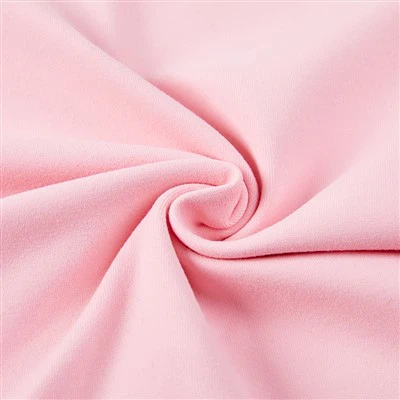
Hey there! As a swimwear fabric supplier, I've seen firsthand the differences between woven and knitted swimwear fabrics. In this blog, I'm gonna break down these differences for you, so you can make the best choice for your swimwear line.
Structure and Construction
Let's start with how these two types of fabrics are made. Woven swimwear fabrics are created by interlacing two or more sets of yarns at right angles. It's like making a basket, where the warp (lengthwise yarns) and weft (crosswise yarns) are woven together. This process gives woven fabrics a stable and structured appearance. They usually have a more defined, flat surface, and they don't stretch as much as knitted fabrics.
On the other hand, knitted swimwear fabrics are made by looping yarns together. Think of it as knitting a scarf. The loops can stretch and move independently, which gives knitted fabrics their characteristic stretchiness. They can expand in multiple directions, making them super flexible and comfortable to wear.
Stretch and Recovery
One of the biggest differences between woven and knitted swimwear fabrics is their stretch and recovery properties. Knitted fabrics are known for their excellent stretch. They can stretch a lot in both the lengthwise and crosswise directions, which is great for swimwear because it allows for a full range of motion. Whether you're doing the backstroke or just lounging by the pool, knitted swimwear will move with you.
When it comes to recovery, knitted fabrics also do a pretty good job. After being stretched, they can bounce back to their original shape. However, over time and with repeated stretching, the recovery might not be as perfect as it was at first.
Woven fabrics, on the other hand, have limited stretch. They usually stretch only a little bit in one direction, if at all. This can be an advantage in some cases, though. For example, if you're designing a structured swimsuit style, like a high-waisted bikini bottom or a one-piece with a lot of support, a woven fabric can provide the stability you need. And because they don't stretch as much, they tend to have better long-term shape retention.
Comfort and Fit
Comfort is key when it comes to swimwear, and both woven and knitted fabrics have their own comfort factors. Knitted fabrics are often softer and more comfortable against the skin. Their stretchy nature allows them to conform to the body's curves, providing a snug and comfortable fit. They also tend to be more breathable, which is important when you're in the water or in the sun.
Woven fabrics, while not as stretchy, can still be comfortable. They can be made with smooth yarns that feel nice on the skin. And because they're more structured, they can provide a different kind of support. Some people prefer the feeling of a more rigid swimsuit, especially if they need extra support in certain areas.
Durability and Maintenance
Durability is another important consideration when choosing swimwear fabrics. Woven fabrics are generally more durable than knitted fabrics. Their tight weave makes them less likely to snag or tear. They can also withstand more wear and tear, which is great if you're designing swimwear for active use.
When it comes to maintenance, both types of fabrics require some care. Knitted fabrics can be more prone to pilling, especially if they're rubbed against rough surfaces. They also need to be washed gently to maintain their stretch and shape. Woven fabrics are a bit more forgiving in this regard. They can usually handle a normal wash cycle without too much damage.
Aesthetic and Design Possibilities
The aesthetic of your swimwear is also influenced by the type of fabric you choose. Knitted fabrics offer a wide range of design possibilities. They can be printed with all sorts of patterns, from bold florals to subtle geometric designs. The stretchiness of knitted fabrics also allows for more creative cuts and styles. You can create swimsuits with cutouts, draping, and other details that would be difficult to achieve with a woven fabric.
Woven fabrics, on the other hand, have a more classic and sophisticated look. They're great for creating structured and tailored swimwear styles. You can use woven fabrics to make elegant one-pieces, high-end bikinis, and even swim cover-ups. And because they have a more defined surface, they can show off printed patterns in a different way, with a more crisp and clear look.
Specialty Fabrics
In addition to the basic differences between woven and knitted swimwear fabrics, there are also some specialty options available. For example, we offer Ribbed Swimwear Fabric, which can be either woven or knitted. Ribbed fabrics add a unique texture and visual interest to swimwear. They can also provide a bit more stretch and support, depending on the construction.
Another specialty fabric is Swimsuit Lining Fabric. This fabric is used to line the inside of swimsuits, providing extra comfort and support. It can be made from either woven or knitted materials, depending on the desired properties.
And if you're looking for a fabric that can withstand the harsh chemicals in pool water, we have Chlorine Resistant Swimwear Fabric. This fabric is designed to resist the damage caused by chlorine, ensuring that your swimwear lasts longer.
Conclusion
So, there you have it! The differences between woven and knitted swimwear fabrics are pretty significant. Each type of fabric has its own advantages and disadvantages, and the choice really depends on your specific needs and preferences. If you're looking for stretch, comfort, and a wide range of design possibilities, knitted fabrics might be the way to go. If you need durability, structure, and a more classic look, woven fabrics could be the better option.
As a swimwear fabric supplier, I'm here to help you make the right choice. Whether you're a small independent designer or a large swimwear brand, I can provide you with high-quality fabrics that meet your requirements. If you're interested in learning more about our swimwear fabrics or have any questions, feel free to reach out. Let's work together to create amazing swimwear that your customers will love!


References
- Textile Institute. (2023). Handbook of Textile Fibres. Woodhead Publishing.
- Horrocks, A. R., & Anand, S. C. (Eds.). (2000). Handbook of Technical Textiles. Woodhead Publishing.