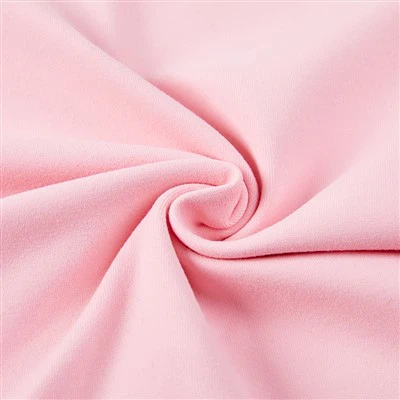
Over the years, the athletic jersey fabric industry has witnessed remarkable improvements, driven by advancements in technology, a deeper understanding of athletes' needs, and a growing demand for high - performance sportswear. As a supplier of Athletic Jersey Fabric, I have had the privilege of observing and being part of these transformative changes.
Early Days of Athletic Jersey Fabric
In the past, athletic jerseys were primarily made from natural fibers such as cotton. Cotton was a popular choice due to its softness, breathability, and widespread availability. However, it had several significant drawbacks. Cotton absorbs a large amount of moisture, which means that when athletes sweat, the jerseys become heavy and clingy. This not only causes discomfort but also restricts the athletes' movement. Moreover, cotton takes a long time to dry, increasing the risk of athletes catching a cold after the game or workout, especially in cooler environments.
Another issue with early - era fabrics was their limited durability. Repeated stretching, washing, and abrasion during sports activities would cause the fabric to wear out quickly, leading to fraying, holes, and a general deterioration in the jersey's appearance and functionality.
The Advent of Synthetic Fibers
The turning point in athletic jersey fabric came with the introduction of synthetic fibers. Polyester was one of the first synthetic materials to gain popularity in sportswear. Polyester has excellent moisture - wicking properties, meaning it can pull sweat away from the body and onto the surface of the fabric, where it can evaporate more quickly. This keeps the athlete dry and comfortable throughout the game or workout. Unlike cotton, polyester does not absorb a large amount of moisture, so the jersey remains lightweight and does not cling to the body.
As a supplier, we recognized the potential of polyester early on. We started incorporating it into our Athletic Jersey Fabric products, and the response from athletes and sports teams was overwhelmingly positive. The reduced weight and increased comfort allowed athletes to perform at their best without being hindered by wet and heavy jerseys.
In addition to moisture - wicking, polyester is also highly durable. It can withstand the rigors of intense sports activities, including frequent stretching, rubbing against equipment, and repeated washing. This means that jerseys made from polyester last longer, providing better value for money for sports teams and individual athletes.
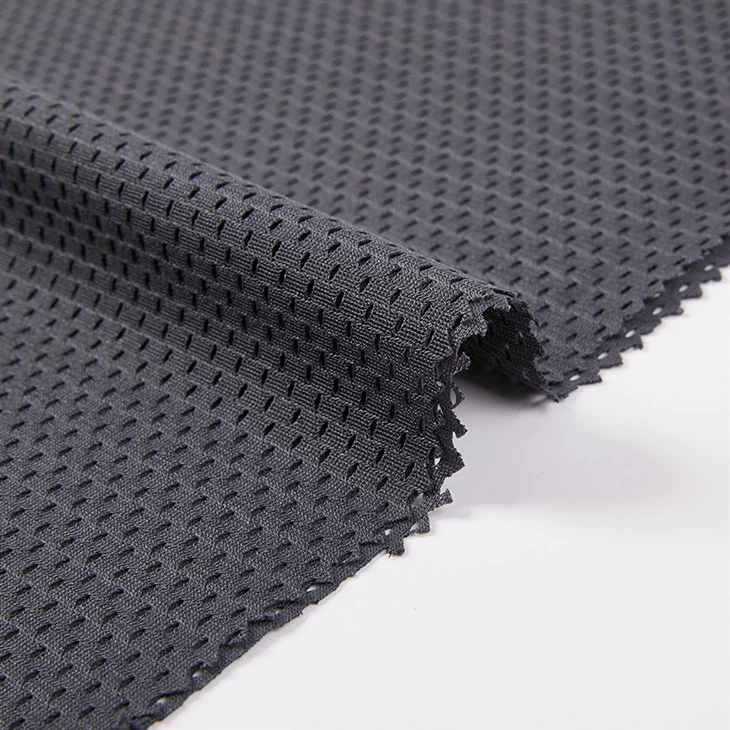

Blended Fabrics for Optimal Performance
While polyester offered significant improvements, fabric manufacturers soon realized that blending different fibers could create even better athletic jersey fabrics. Blending polyester with other materials such as spandex or elastane became a common practice. Spandex is known for its exceptional stretch and recovery properties. When added to polyester, it gives the athletic jersey a greater range of motion. Athletes can move freely, whether they are running, jumping, or making quick lateral movements, without feeling restricted by the fabric.
These blended fabrics also offer enhanced comfort. The spandex component adds a softness and flexibility to the fabric, making it feel more like a second skin. At the same time, the polyester continues to provide excellent moisture - wicking and durability. As a supplier, we have developed a range of blended Athletic Jersey Fabric products that combine the best properties of different fibers to meet the diverse needs of athletes.
Advanced Moisture - Wicking Technologies
In recent years, there have been further advancements in moisture - wicking technologies. Some fabrics now feature micro - channels or special coatings that enhance the fabric's ability to move sweat away from the body. These technologies are designed to be even more efficient than traditional moisture - wicking fabrics, ensuring that athletes stay dry even during the most intense workouts.
Our company offers Moisture Wicking Sportswear Fabric that incorporates these advanced technologies. The fabric has been tested in various sports environments to ensure its effectiveness. Whether it's a high - intensity basketball game or a long - distance running race, our moisture - wicking fabrics keep athletes dry and comfortable, allowing them to focus on their performance.
Four - Way Stretch Fabrics
Another significant improvement in athletic jersey fabric is the development of 4 Way Stretch Fabric for Sportswear. Traditional stretch fabrics usually only stretch in one or two directions, which may still limit an athlete's movement in certain situations. Four - way stretch fabrics, on the other hand, can stretch both horizontally and vertically, providing a full range of motion in all directions.
This type of fabric is particularly beneficial for sports that require a lot of dynamic movement, such as soccer, rugby, and gymnastics. Athletes can make quick turns, jumps, and lunges without the fabric restricting their movements. The four - way stretch also ensures a better fit, as the fabric can conform to the athlete's body shape during movement and then return to its original form.
Anti - Odor and Anti - Bacterial Properties
In addition to performance - related improvements, modern athletic jersey fabrics also offer anti - odor and anti - bacterial properties. When athletes sweat, bacteria can grow on the fabric, causing unpleasant odors. To address this issue, fabric manufacturers have developed treatments and additives that inhibit the growth of bacteria.
Our Athletic Jersey Fabric products are treated with anti - bacterial agents that help keep the jerseys fresh and odor - free. This is not only beneficial for the athletes' comfort but also for the longevity of the jerseys. By preventing the growth of bacteria, the fabric is less likely to develop stains and damage over time.
UV Protection
With the increasing awareness of the harmful effects of ultraviolet (UV) rays, many athletic jersey fabrics now offer UV protection. Fabrics can be treated or engineered to block a significant amount of UV radiation, protecting athletes from sunburn and long - term skin damage.
This is especially important for outdoor sports such as tennis, golf, and track and field. Our company has incorporated UV - protection features into our fabric products, ensuring that athletes can enjoy their sports activities under the sun without worrying about excessive sun exposure.
Sustainability in Athletic Jersey Fabric
In recent years, there has been a growing demand for sustainable athletic jersey fabrics. Consumers are becoming more environmentally conscious and are looking for products that are made from recycled materials or produced in an eco - friendly manner.
As a supplier, we have responded to this trend by developing sustainable fabric options. We use recycled polyester in some of our Athletic Jersey Fabric products, which helps reduce the amount of plastic waste in the environment. We also strive to minimize our production's environmental impact by using energy - efficient manufacturing processes and reducing water consumption.
Conclusion
The improvements in athletic jersey fabric over the years have been nothing short of remarkable. From the early days of cotton jerseys to the high - performance, multi - functional fabrics of today, the industry has come a long way. As a supplier of Athletic Jersey Fabric, we are proud to be part of this evolution.
We understand that athletes and sports teams have high expectations when it comes to the quality and performance of their jerseys. That's why we are committed to continuing our research and development efforts to bring even better fabric solutions to the market.
If you are interested in our athletic jersey fabric products, whether you are a sports team looking for high - quality jerseys or an individual athlete in need of performance - enhancing sportswear, we invite you to contact us for procurement and further discussions. We look forward to working with you to meet your specific needs.
References
- "The Science of Sportswear: How Fabrics Affect Performance" by Sports Science Journal
- "Advancements in Synthetic Fibers for Athletic Apparel" by Textile Research Institute
- "Sustainable Practices in the Athletic Jersey Fabric Industry" by Environmental Textiles Magazine