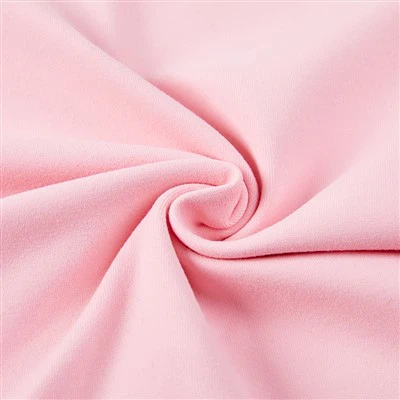
As a supplier of Sustainable Swimwear Fabric, I am often asked about the labor conditions in the production of these fabrics. In this blog post, I will delve into the various aspects of labor conditions in the production process, highlighting the importance of sustainability not only in terms of materials but also in the treatment of the workforce.
The Global Context of Swimwear Fabric Production
The swimwear industry is a global one, with production taking place in various countries around the world. Many of these countries have different labor laws, regulations, and cultural norms that influence the labor conditions in the factories. In some regions, the textile and swimwear production sectors are major employers, providing livelihoods for thousands of workers. However, the industry has also faced criticism in the past for poor labor conditions, including long working hours, low wages, and unsafe working environments.
Our Commitment to Ethical Labor Practices
At our company, we are committed to ensuring that the production of our Sustainable Swimwear Fabric is carried out under fair and ethical labor conditions. We believe that sustainable production is not just about using eco - friendly materials but also about treating our workers with respect and dignity.
We work closely with our manufacturing partners to ensure that they adhere to international labor standards. This includes providing a safe and healthy working environment, fair wages, and reasonable working hours. We conduct regular audits of our partner factories to monitor compliance with these standards. These audits cover aspects such as workplace safety, child labor, forced labor, and discrimination.
Safe and Healthy Working Environments
One of the key aspects of labor conditions is the safety and health of the workers. In the production of swimwear fabric, workers are exposed to various chemicals and machinery. To mitigate these risks, our partner factories are equipped with proper ventilation systems to reduce exposure to harmful chemicals. They also provide personal protective equipment (PPE) such as gloves, masks, and safety glasses to workers.
Regular safety training programs are conducted to ensure that workers are aware of the potential hazards in the workplace and know how to use the machinery safely. Fire safety measures are also in place, including the installation of fire alarms, sprinkler systems, and clearly marked emergency exits.
Fair Wages and Benefits
We believe that workers should be fairly compensated for their labor. Our manufacturing partners pay wages that are at or above the local minimum wage. In addition to basic wages, workers also receive benefits such as paid leave, health insurance, and bonuses.
We understand that a well - compensated workforce is more motivated and productive. By providing fair wages and benefits, we not only improve the quality of life of our workers but also ensure the long - term sustainability of our production process.
Reasonable Working Hours
Long working hours can have a negative impact on the health and well - being of workers. To address this issue, our partner factories adhere to regulations regarding maximum working hours. Workers are entitled to regular breaks throughout the day, and overtime is strictly regulated.
We encourage our partners to implement flexible work arrangements whenever possible. This allows workers to better balance their work and personal lives, leading to higher job satisfaction and lower turnover rates.
Training and Skill Development
Investing in the training and skill development of our workers is another important aspect of our labor management strategy. We provide training programs to enhance the technical skills of our workers, such as operating advanced machinery and using new production techniques.
These training programs not only improve the quality of the swimwear fabric we produce but also provide workers with opportunities for career advancement. By empowering our workers with new skills, we are helping them to build a more secure future for themselves and their families.
The Role of Certification and Transparency
To demonstrate our commitment to ethical labor practices, we encourage our manufacturing partners to obtain relevant certifications. Certifications such as the Global Organic Textile Standard (GOTS) and the Social Accountability 8000 (SA8000) provide independent verification of a factory's compliance with social and environmental standards.
We also believe in transparency. We are open about our supply chain and labor practices, and we are willing to share information with our customers. This allows our customers to make informed decisions about the products they purchase and to support companies that are committed to sustainability.
The Impact of Labor Conditions on the Quality of Sustainable Swimwear Fabric
Good labor conditions have a direct impact on the quality of the Sustainable Swimwear Fabric we produce. When workers are treated fairly, they are more likely to take pride in their work and to produce high - quality products.
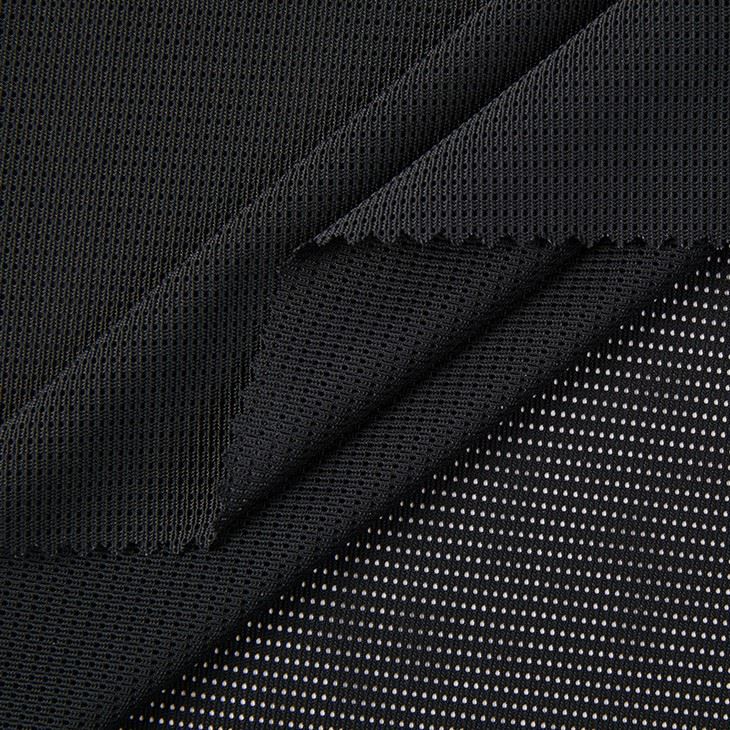
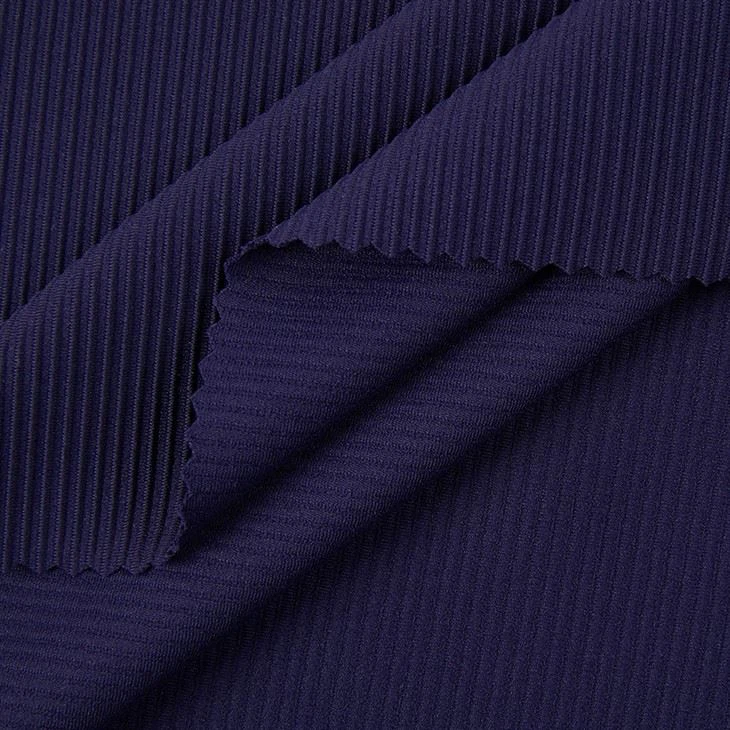
For example, in the production of Chlorine Resistant Swimwear Fabric, skilled and motivated workers are better able to ensure that the fabric meets the required standards of chlorine resistance. Similarly, in the production of Ribbed Swimwear Fabric, workers with the right skills and training can create a fabric with a consistent and high - quality ribbed texture.
Conclusion and Call to Action
In conclusion, the labor conditions in the production of sustainable swimwear fabric are of utmost importance. At our company, we are committed to ensuring that our production process is not only environmentally sustainable but also socially responsible.
We believe that by working together with our manufacturing partners, customers, and other stakeholders, we can create a more sustainable and ethical swimwear industry. If you are interested in learning more about our Sustainable Swimwear Fabric or would like to discuss a potential partnership, please feel free to reach out. We are always open to new opportunities and are eager to work with like - minded individuals and companies to promote sustainability in the swimwear industry.
References
- Global Organic Textile Standard (GOTS) official documentation.
- Social Accountability 8000 (SA8000) standards and guidelines.
- International Labour Organization (ILO) conventions and reports on labor standards in the textile industry.