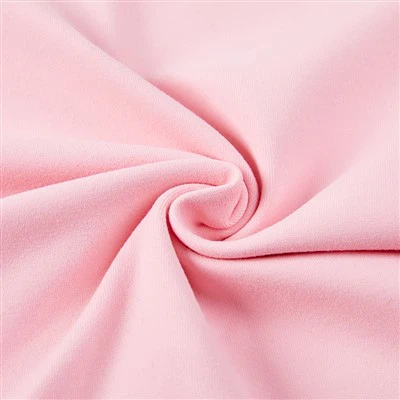
In the dynamic world of sports, athletic jerseys are not just about representing a team or a brand; they play a crucial role in enhancing athletes' performance and comfort. As a leading supplier of athletic jersey fabric, I am constantly immersed in the latest industry trends. In this blog post, I'll share some of the most significant trends in athletic jersey fabric that are shaping the market today.
1. Advanced Moisture - Wicking Technologies
One of the most enduring and ever - evolving trends in athletic jersey fabric is moisture wicking. Athletes generate a significant amount of sweat during physical activity, and if the fabric doesn't manage this moisture effectively, it can lead to discomfort, chafing, and even hypothermia in cooler conditions.
Modern moisture - wicking fabrics are designed to pull sweat away from the skin and disperse it across the surface of the fabric, where it can evaporate more quickly. This keeps athletes dry and comfortable throughout their performance. For instance, our Moisture Wicking Sportswear Fabric uses innovative fiber blends and advanced knitting techniques. These fabrics are made from synthetic fibers like polyester and nylon, which have inherent moisture - wicking properties. The fabric's structure is engineered to create capillary action, drawing sweat away from the body.
In recent years, there has been a push towards making moisture - wicking fabrics more sustainable. Some manufacturers are using recycled materials to create these fabrics, reducing the environmental impact without sacrificing performance. Our research and development team has been working on incorporating recycled polyester fibers into our moisture - wicking fabrics, which not only helps the environment but also meets the high - performance standards expected by athletes.
2. Four - Way Stretch for Maximum Mobility
Athletes need to move freely in all directions, and that's where four - way stretch fabrics come in. Four - way stretch means the fabric can stretch both horizontally and vertically, allowing for a full range of motion. Whether it's a basketball player making a jump shot or a soccer player sprinting across the field, four - way stretch fabrics provide the flexibility needed for peak performance.
Our 4 Way Stretch Fabric for Sportswear is designed using a combination of elastic fibers, such as spandex or elastane, with other high - performance fibers. The elastic fibers give the fabric its stretch and recovery properties, while the other fibers contribute to durability, breathability, and moisture management.
This type of fabric is also form - fitting, which can enhance an athlete's aerodynamics. In sports like cycling and swimming, where even the slightest reduction in drag can make a difference, form - fitting four - way stretch jerseys are highly sought after. Moreover, the form - fitting nature of these fabrics can also provide some support to the muscles, reducing fatigue during long - duration activities.
3. Waterproof and Breathable Fabrics
Outdoor sports are often subject to unpredictable weather conditions, and athletes need jerseys that can keep them dry without sacrificing breathability. Waterproof and breathable fabrics are designed to repel water from the outside while allowing sweat vapor to escape from the inside.
Our Waterproof and Breathable Sportswear Fabric uses a membrane technology that acts as a barrier to liquid water but allows water vapor molecules to pass through. This membrane is usually laminated to a base fabric, which provides strength and durability.
These fabrics are treated with a durable water - repellent (DWR) finish on the outer surface. The DWR finish causes water to bead up and roll off the fabric, preventing it from soaking in. Over time, the DWR finish may wear off, but it can often be reapplied to maintain the fabric's waterproof properties. In addition to sports like hiking and skiing, these fabrics are also finding their way into team sports played outdoors, such as rugby and football, where players need protection from rain and wet conditions.
4. Anti - Odor and Antimicrobial Properties
Sweat can create an ideal environment for bacteria to grow, which leads to unpleasant odors. To address this issue, many athletic jersey fabrics now come with anti - odor and antimicrobial properties. These fabrics are treated with substances that inhibit the growth of bacteria and fungi, keeping the jersey fresh and odor - free for longer periods.


Some of the antimicrobial agents used in these fabrics are natural, such as silver ions or tea tree oil extracts. Silver ions have been shown to have strong antibacterial properties, and they are often incorporated into the fabric during the manufacturing process. Tea tree oil, on the other hand, is a natural alternative that has antibacterial and antifungal properties.
As a supplier, we are constantly researching and testing new anti - odor and antimicrobial treatments to ensure that our fabrics meet the highest standards. This not only benefits the athletes in terms of comfort but also extends the lifespan of the jerseys, as they can be worn and washed multiple times without developing a strong odor.
5. Sustainable and Eco - Friendly Fabrics
The sports industry is becoming more environmentally conscious, and there is a growing demand for sustainable athletic jersey fabrics. Consumers are increasingly looking for products that are made from recycled materials, use less water and energy in the manufacturing process, and are biodegradable at the end of their life cycle.
We are committed to sustainability in our fabric production. We source recycled materials, such as recycled polyester from plastic bottles and recycled nylon from fishing nets. By using these recycled materials, we reduce the amount of waste going to landfills and decrease the demand for virgin materials.
In addition to using recycled materials, we are also exploring new manufacturing processes that are more energy - efficient and use less water. For example, some of our dyeing processes use digital printing technology, which reduces water consumption and chemical waste compared to traditional dyeing methods.
6. Smart Fabrics and Wearable Technology Integration
The future of athletic jersey fabrics lies in the integration of smart technologies. Smart fabrics can monitor an athlete's vital signs, such as heart rate, body temperature, and hydration levels. These fabrics are embedded with sensors and conductive fibers that can collect and transmit data to a mobile device or a training system.
For example, some smart jerseys can measure an athlete's muscle activity, which can help coaches and trainers optimize training programs and prevent injuries. The data collected from these smart fabrics can provide valuable insights into an athlete's performance and health.
As a fabric supplier, we are actively collaborating with technology companies to develop smart fabrics that are not only functional but also comfortable and durable. We are working on integrating sensors seamlessly into the fabric structure so that they do not interfere with the athlete's movement or the fabric's performance.
Contact for Procurement
If you are interested in these latest trends in athletic jersey fabric and are looking for a reliable supplier, we'd love to hear from you. Whether you are a sports team, a sportswear brand, or a distributor, we can provide you with high - quality fabrics that meet your specific needs. Contact us to start a procurement discussion and discover how our fabrics can enhance your athletic products.
References
- Brown, J. (2022). "Advances in Sportswear Fabric Technology." Journal of Sports Equipment and Technology.
- Green, A. (2021). "Sustainable Materials in Athletic Apparel." Environmental Science in Sports.
- Smith, R. (2023). "The Future of Smart Fabrics in Sports." Sports Innovation Review.