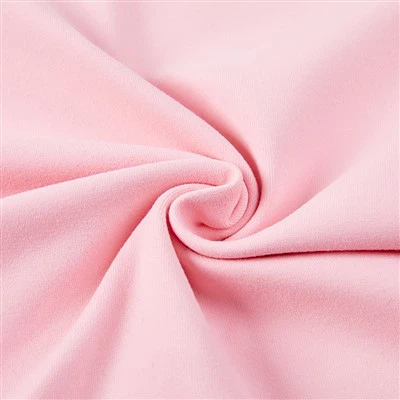
When it comes to yoga leggings, one of the most crucial factors to consider is the fabric's moisture-absorbing ability. As a supplier of Yoga Leggings Fabric, I've spent years researching and testing various materials to understand which ones offer the best performance in this regard. In this blog post, I'll share my insights on the most moisture-absorbing fabrics for yoga leggings, helping you make an informed decision for your next purchase.
The Importance of Moisture Absorption in Yoga Leggings
Yoga is a physically demanding activity that often involves sweating. Wearing leggings made from a fabric that can effectively absorb and wick away moisture is essential for several reasons. Firstly, it helps to keep you dry and comfortable during your practice, preventing the discomfort of soggy clothes sticking to your skin. Secondly, it can reduce the risk of skin irritation and infections that can occur when sweat is trapped against the skin for extended periods. Finally, moisture-wicking fabrics can also help to regulate your body temperature, keeping you cool in hot yoga sessions and warm in cooler environments.
Common Fabrics Used in Yoga Leggings and Their Moisture-Absorbing Properties
Cotton
Cotton is a natural fiber that is known for its softness and breathability. It is also relatively absorbent, which makes it a popular choice for yoga leggings. However, cotton has a significant drawback when it comes to moisture management. Once it becomes saturated with sweat, it can take a long time to dry, leaving you feeling wet and uncomfortable. Additionally, cotton is prone to shrinking and losing its shape over time, which can affect the fit and performance of your leggings.
Polyester
Polyester is a synthetic fiber that is widely used in athletic wear, including yoga leggings. It is known for its durability, stretchability, and moisture-wicking properties. Polyester fabrics are designed to pull moisture away from the skin and onto the surface of the fabric, where it can evaporate quickly. This helps to keep you dry and comfortable during your practice. Polyester Fabric Leggings are a great option for those who are looking for a high-performance fabric that can withstand the rigors of yoga.
Nylon
Nylon is another synthetic fiber that is commonly used in yoga leggings. It is similar to polyester in terms of its durability and stretchability, but it has a slightly different feel. Nylon is known for its smooth, silky texture, which makes it comfortable to wear. It is also highly resistant to abrasion and tearing, which makes it a good choice for those who are rough on their clothes. Like polyester, nylon is also moisture-wicking, which helps to keep you dry and comfortable during your practice.
Spandex
Spandex, also known as Lycra or elastane, is a synthetic fiber that is used to add stretch and elasticity to fabrics. It is often blended with other fibers, such as polyester or nylon, to create yoga leggings that are form-fitting and comfortable. Spandex does not have any significant moisture-absorbing properties on its own, but it can help to improve the overall performance of the fabric by allowing it to stretch and move with your body. This can help to prevent the fabric from bunching up or riding up during your practice.
Bamboo
Bamboo is a natural fiber that is becoming increasingly popular in the world of yoga leggings. It is known for its softness, breathability, and antibacterial properties. Bamboo fabrics are also highly absorbent, which makes them a good choice for those who sweat a lot during their practice. Additionally, bamboo is a sustainable and eco-friendly material, which makes it a popular choice for those who are looking for a more environmentally conscious option.


The Most Moisture-Absorbing Fabrics for Yoga Leggings
Based on my experience and research, the most moisture-absorbing fabrics for yoga leggings are those that are made from a blend of synthetic fibers, such as polyester and nylon, with a small amount of spandex added for stretch. These fabrics offer the best combination of moisture-wicking performance, durability, stretchability, and comfort.
One example of a high-performance fabric that I recommend is a blend of 80% polyester and 20% spandex. This fabric is designed to pull moisture away from the skin and onto the surface of the fabric, where it can evaporate quickly. It is also highly stretchable, which allows it to move with your body and provide a comfortable, form-fitting fit. Additionally, this fabric is durable and resistant to abrasion and tearing, which makes it a good choice for those who are rough on their clothes.
Another option is a blend of 70% nylon and 30% spandex. This fabric is similar to the polyester/spandex blend in terms of its moisture-wicking performance and stretchability, but it has a slightly different feel. Nylon is known for its smooth, silky texture, which makes it comfortable to wear. It is also highly resistant to abrasion and tearing, which makes it a good choice for those who are rough on their clothes.
Choosing the Right Fabric for Your Yoga Leggings
When choosing the right fabric for your yoga leggings, it's important to consider your personal preferences and needs. If you sweat a lot during your practice, you may want to choose a fabric that is highly moisture-wicking, such as a polyester or nylon blend. If you prefer a softer, more natural feel, you may want to consider a fabric that is made from bamboo or cotton. Additionally, you should also consider the fit and style of the leggings, as well as the durability and performance of the fabric.
As a supplier of Yoga Leggings Fabric, I offer a wide range of high-quality fabrics that are designed to meet the needs of different customers. Whether you're looking for a moisture-wicking fabric for intense yoga sessions or a soft, comfortable fabric for everyday wear, I can help you find the right fabric for your needs. Comfortable Yoga Pants Fabric and Tights Fabric are just some of the options that I offer.
Contact Us for More Information
If you're interested in learning more about our Yoga Leggings Fabric or would like to place an order, please don't hesitate to contact us. We're here to help you find the right fabric for your needs and provide you with the best possible service. Whether you're a small business owner or a large-scale manufacturer, we can work with you to meet your specific requirements.
References
- "Moisture Management in Textiles." Textile Institute, 2023.
- "Yoga Leggings: A Buyer's Guide." Yoga Journal, 2023.
- "The Science of Sweat: How Fabrics Keep You Dry." Runner's World, 2023.