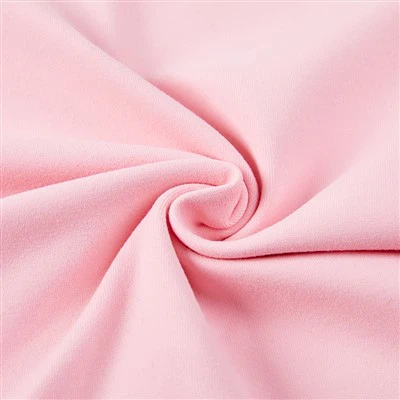
Athletic activities demand high - performance clothing that can withstand the rigors of intense movement. One crucial aspect of athletic jersey fabric is its abrasion resistance. As a supplier of Athletic Jersey Fabric, I am well - versed in the significance of this property and its impact on the quality and durability of athletic jerseys.
Understanding Abrasion Resistance
Abrasion resistance refers to a fabric's ability to resist wear and tear caused by friction. In the context of athletic jerseys, this means the fabric's capacity to endure the constant rubbing against equipment, other players' jerseys, and the playing surface without quickly deteriorating. There are different types of abrasion that an athletic jersey might encounter:
- Flat abrasion: This occurs when the fabric rubs against a flat surface, such as a basketball court or a gym floor. For example, when a basketball player slides on the court during a game, the jersey's fabric in contact with the floor is subjected to flat abrasion.
- Flex abrasion: As athletes move, their jerseys bend and flex. This repeated flexing can cause the fibers in the fabric to break down over time, leading to a loss of integrity. For instance, a cyclist's jersey experiences flex abrasion with every pedal stroke and turn of the body.
- Edge abrasion: When the edges of the jersey, like the seams or the collar, come into contact with other objects, edge abrasion occurs. This can be particularly problematic as it can cause fraying and unraveling of the fabric.
Factors Affecting Abrasion Resistance
Several factors influence the abrasion resistance of athletic jersey fabric:
Fiber Type
- Synthetic Fibers: Polyester is a commonly used synthetic fiber in athletic jerseys due to its excellent abrasion resistance. Its strong and durable nature allows it to withstand high levels of friction. Polyester fibers are tightly packed, which reduces the likelihood of individual fibers breaking during abrasion. Nylon is another synthetic fiber known for its high tenacity and abrasion - resistant properties. It is often used in combination with other fibers to enhance the overall durability of the fabric.
- Natural Fibers: Cotton, a natural fiber, is soft and comfortable but generally has lower abrasion resistance compared to synthetic fibers. However, advancements in textile technology have led to the development of cotton blends that incorporate synthetic fibers to improve abrasion resistance while maintaining the comfort of cotton.
Fabric Construction
- Weave Structure: Different weave structures have varying levels of abrasion resistance. For example, a twill weave is more abrasion - resistant than a plain weave. In a twill weave, the yarns interlace in a diagonal pattern, which distributes the stress of abrasion more evenly across the fabric. This reduces the likelihood of the fabric wearing out in specific areas.
- Knitted vs. Woven Fabrics: Knitted fabrics are more stretchy and comfortable, but they may have lower abrasion resistance compared to woven fabrics. Woven fabrics have a more rigid structure, which can better withstand the forces of abrasion. However, modern knitting techniques have been developed to improve the abrasion resistance of knitted athletic jersey fabrics.
Finish and Treatments
- Coatings: Some fabrics are treated with special coatings to enhance their abrasion resistance. These coatings can form a protective layer on the fabric surface, reducing the direct contact between the fibers and the abrasive object. For example, a Teflon - based coating can provide a smooth surface that reduces friction.
- Chemical Treatments: Chemical treatments can also improve the strength and durability of the fabric. For instance, some treatments can cross - link the fibers in the fabric, making them more resistant to breakage during abrasion.
Importance of Abrasion Resistance in Athletic Jerseys
Durability
Athletic jerseys are subjected to a lot of wear and tear during games and training sessions. A fabric with high abrasion resistance will last longer, reducing the need for frequent replacements. This is not only cost - effective for athletes and sports teams but also environmentally friendly as it reduces textile waste.
Performance
Abrasion - resistant fabrics maintain their integrity during intense athletic activities. This means that the jersey will not tear or fray, which could otherwise interfere with the athlete's performance. For example, a torn jersey could get caught on equipment or impede the athlete's movement, potentially causing injury.
Comfort
Fabrics with good abrasion resistance often retain their shape and texture over time. This ensures that the jersey remains comfortable to wear, even after multiple washes and uses. A comfortable jersey allows athletes to focus on their performance without being distracted by discomfort caused by a deteriorating fabric.
Our Athletic Jersey Fabric Offerings
As a supplier, we understand the importance of abrasion resistance in athletic jersey fabric. Our Athletic Jersey Fabric is carefully engineered to meet the highest standards of durability and performance.
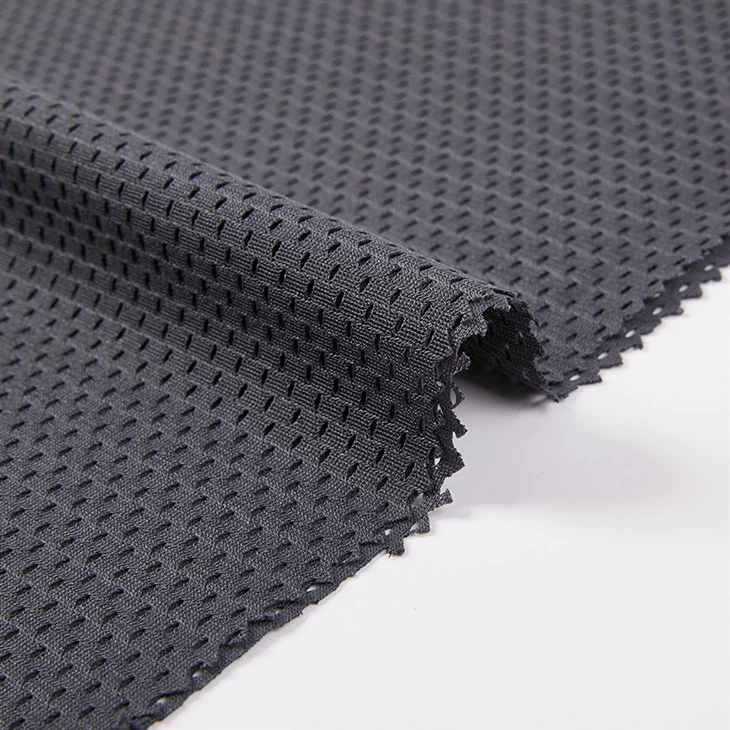
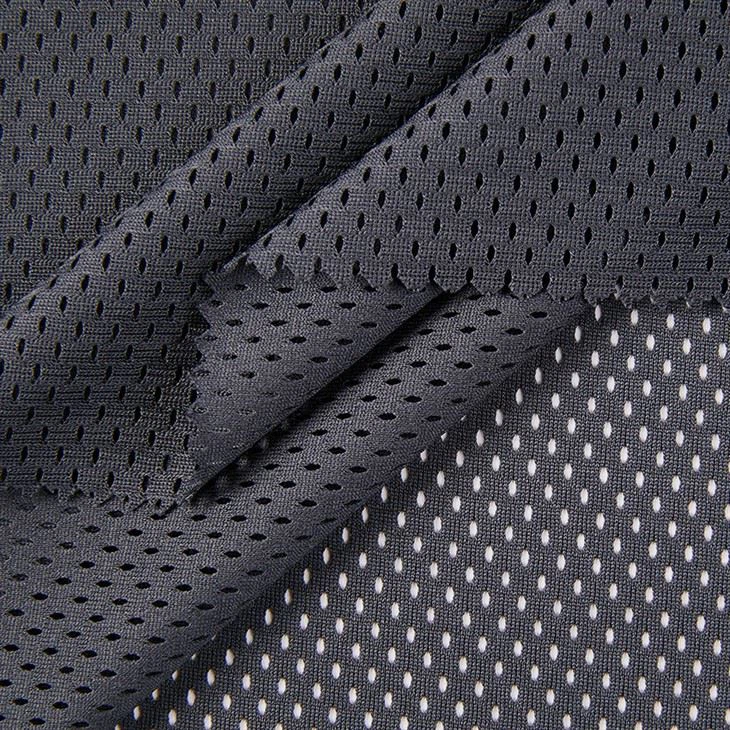
We offer a range of fabrics, including those made from high - quality synthetic fibers such as polyester and nylon. These fibers are selected for their excellent abrasion - resistant properties and are combined with other features such as Moisture Wicking Sportswear Fabric technology. Moisture - wicking is essential in athletic wear as it helps to keep athletes dry and comfortable by pulling sweat away from the body.
Our Fabric for Basketball Jersey is specifically designed to withstand the demands of the sport. It has a high level of abrasion resistance to handle the rough play on the court, including sliding, pushing, and grabbing. The fabric is also lightweight and breathable, allowing basketball players to move freely and stay cool during the game.
Testing Abrasion Resistance
To ensure the quality of our fabrics, we conduct rigorous abrasion resistance tests. One common method is the Martindale abrasion test. In this test, a fabric sample is rubbed against a standard abrasive material under a specified pressure for a certain number of cycles. After the test, the fabric is examined for signs of wear, such as loss of mass, changes in appearance, and reduction in strength.
We also test our fabrics in real - world conditions by collaborating with athletes and sports teams. Their feedback helps us to further improve the abrasion resistance and other properties of our fabrics.
Choosing the Right Abrasion - Resistant Fabric
When selecting an athletic jersey fabric, it's important to consider the specific needs of the sport. For high - contact sports like football or rugby, a fabric with extremely high abrasion resistance is essential. On the other hand, for sports like running or cycling, a fabric that balances abrasion resistance with breathability and flexibility may be more suitable.
It's also important to consider the budget. While high - end abrasion - resistant fabrics may offer superior performance, they may also come with a higher price tag. However, investing in a quality fabric can pay off in the long run due to its durability.
Conclusion
Abrasion resistance is a critical property of athletic jersey fabric. It affects the durability, performance, and comfort of the jersey, making it an important consideration for athletes, sports teams, and fabric suppliers. As a supplier of Athletic Jersey Fabric, we are committed to providing high - quality fabrics that meet the diverse needs of the sports industry.
If you are in the market for athletic jersey fabric, we invite you to contact us to discuss your specific requirements. Our team of experts is ready to assist you in choosing the right fabric for your needs. Whether you are a sports brand looking to produce high - performance jerseys or a sports team in need of durable uniforms, we can provide the solutions you are looking for.
References
- ASTM International. (2019). Standard Test Method for Abrasion Resistance of Textile Fabrics (Martindale Abrasion Tester Method). ASTM D4966 - 19.
- Textile Institute. (2018). Handbook of Technical Textiles. Woodhead Publishing.
- Montazer, M., & Seyam, A. M. (2019). Advanced Functional Fibers and Textiles. CRC Press.