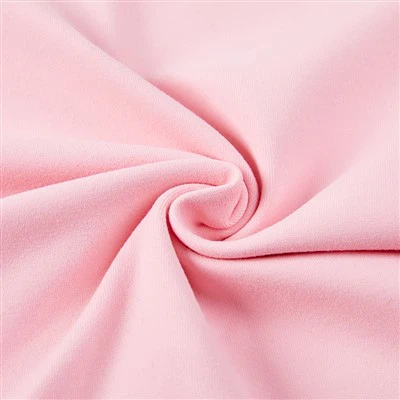
When it comes to fabrics, the choices can be overwhelming, especially in the realm of nylon-based materials. As a supplier of Printed Nylon Lycra Fabric, I often encounter inquiries about the differences between Printed Nylon Lycra Fabric and regular nylon fabric. In this blog post, I'll delve into the distinct characteristics of these two fabrics to help you make an informed decision for your specific needs.
Composition and Structure
Regular nylon fabric is primarily made from synthetic polymers derived from petrochemicals. It is known for its strength, durability, and resistance to abrasion. The molecular structure of nylon consists of long-chain polymers with strong intermolecular forces, which contribute to its robust nature. Nylon fibers are typically smooth and have a high luster, giving the fabric a sleek appearance.


On the other hand, Printed Nylon Lycra Fabric is a blend of nylon and Lycra (also known as spandex). Lycra is a synthetic elastomer that provides exceptional stretch and recovery properties. The addition of Lycra to nylon creates a fabric that combines the strength and durability of nylon with the elasticity and flexibility of Lycra. The ratio of nylon to Lycra can vary depending on the specific requirements of the fabric, but common blends include 82% Nylon 18% Spandex Fabric, which offers a good balance of stretch and stability.
Physical Properties
One of the most significant differences between Printed Nylon Lycra Fabric and regular nylon fabric lies in their physical properties. Regular nylon fabric is relatively stiff and has limited stretch. It is often used in applications where strength and durability are the primary concerns, such as outdoor gear, luggage, and industrial textiles. The lack of stretch can make regular nylon fabric less comfortable to wear for extended periods, especially in garments that require a lot of movement.
In contrast, Printed Nylon Lycra Fabric has excellent stretch and recovery properties. It can stretch up to several times its original length and then return to its original shape without losing its elasticity. This makes it ideal for applications where flexibility and comfort are essential, such as sportswear, swimwear, and intimate apparel. The stretchability of Printed Nylon Lycra Fabric allows for a greater range of motion, reducing the risk of restriction and discomfort during physical activities.
Another difference in physical properties is the drape and feel of the fabrics. Regular nylon fabric has a smooth and slippery texture, which can make it feel cool to the touch. It has a relatively stiff drape, which means it holds its shape well and doesn't wrinkle easily. Printed Nylon Lycra Fabric, on the other hand, has a softer and more supple feel. It drapes more fluidly, conforming to the body's curves and providing a more flattering fit. The addition of Lycra also gives the fabric a slight sheen, enhancing its aesthetic appeal.
Printability and Design
As a supplier of Printed Nylon Lycra Fabric, I understand the importance of printability and design in the textile industry. Printed Nylon Lycra Fabric offers several advantages over regular nylon fabric when it comes to printing and customization. The smooth surface of nylon provides an excellent base for printing, allowing for high-quality and vibrant prints. The addition of Lycra does not affect the printability of the fabric, ensuring that the prints remain sharp and durable even after multiple washes.
Regular nylon fabric can also be printed, but the lack of stretch can make it more challenging to achieve a seamless and distortion-free print. The stiffness of the fabric can cause the print to crack or peel over time, especially in areas where there is a lot of movement. Printed Nylon Lycra Fabric, with its stretch and flexibility, can accommodate the movement of the body without compromising the integrity of the print. This makes it a popular choice for designers who want to create unique and eye-catching prints on their garments.
In addition to traditional printing methods, Printed Nylon Lycra Fabric can also be customized with various design techniques, such as embroidery, sequins, and appliques. The stretchability of the fabric allows for greater creativity and flexibility in design, enabling designers to create intricate and detailed patterns that enhance the overall aesthetic of the garment.
Performance and Functionality
When it comes to performance and functionality, Printed Nylon Lycra Fabric and regular nylon fabric have different strengths and weaknesses. Regular nylon fabric is highly resistant to abrasion, chemicals, and UV rays, making it suitable for outdoor and industrial applications. It is also quick-drying and has excellent moisture-wicking properties, which help to keep the body dry and comfortable in wet conditions.
Printed Nylon Lycra Fabric, while not as abrasion-resistant as regular nylon fabric, offers superior performance in terms of stretch and comfort. The elasticity of the fabric allows for a greater range of motion, making it ideal for sports and activewear. The moisture-wicking properties of nylon are also retained in the blend, ensuring that the fabric stays dry and comfortable during physical activities. Additionally, the stretchability of Printed Nylon Lycra Fabric can help to reduce muscle fatigue and improve blood circulation, enhancing overall performance.
Applications
The differences in composition, physical properties, printability, and performance of Printed Nylon Lycra Fabric and regular nylon fabric make them suitable for different applications. Regular nylon fabric is commonly used in the following industries:
- Outdoor Gear: Backpacks, tents, sleeping bags, and outdoor clothing require strong and durable materials that can withstand harsh environmental conditions. Regular nylon fabric provides excellent abrasion resistance and water repellency, making it an ideal choice for these applications.
- Luggage and Bags: Suitcases, duffel bags, and backpacks need to be sturdy and able to withstand the rigors of travel. Regular nylon fabric is lightweight, yet strong enough to protect the contents of the bag from damage.
- Industrial Textiles: Conveyor belts, safety harnesses, and industrial filters require materials that can withstand high stress and wear. Regular nylon fabric's strength and durability make it a popular choice for these applications.
Printed Nylon Lycra Fabric, on the other hand, is widely used in the following industries:
- Sportswear: Running shorts, yoga pants, and athletic tops require fabrics that can stretch and move with the body. Printed Nylon Lycra Fabric's excellent stretch and recovery properties make it an ideal choice for sportswear, providing comfort and freedom of movement during physical activities.
- Swimwear: Bikinis, one-piece swimsuits, and swim trunks need to be stretchy, comfortable, and resistant to chlorine and saltwater. Printed Nylon Lycra Fabric's stretchability, moisture-wicking properties, and resistance to chemicals make it a popular choice for swimwear.
- Intimate Apparel: Bras, panties, and shapewear require fabrics that can provide support and comfort while conforming to the body's curves. Printed Nylon Lycra Fabric's softness, stretchability, and smooth texture make it an ideal choice for intimate apparel, ensuring a comfortable and flattering fit.
Conclusion
In conclusion, Printed Nylon Lycra Fabric and regular nylon fabric have distinct characteristics that make them suitable for different applications. Regular nylon fabric is known for its strength, durability, and resistance to abrasion, making it ideal for outdoor gear, luggage, and industrial textiles. Printed Nylon Lycra Fabric, on the other hand, offers excellent stretch, comfort, and printability, making it a popular choice for sportswear, swimwear, and intimate apparel.
As a supplier of Printed Nylon Lycra Fabric, I am committed to providing high-quality fabrics that meet the diverse needs of my customers. Whether you are a designer looking for a unique and eye-catching fabric for your next collection or a manufacturer in need of a reliable and durable material for your products, I can help you find the perfect solution. If you have any questions or would like to discuss your specific requirements, please don't hesitate to contact me. I look forward to working with you to bring your ideas to life.
References
- "Nylon: Properties, Production, and Applications." Encyclopedia Britannica.
- "Spandex: A Versatile Elastomer." ScienceDirect.
- "Textile Printing Techniques." Textile Institute.