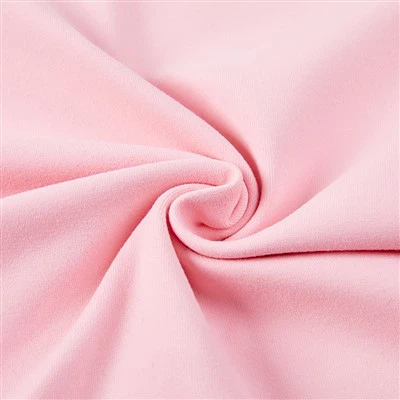
As a supplier of Bike Jersey Fabric, I often encounter inquiries about the elasticity of our products. Elasticity is a crucial property of bike jersey fabric, influencing not only the fit and comfort of the cycling jersey but also its performance during cycling activities. In this blog post, I will delve into the concept of elasticity in bike jersey fabric, its importance, and how it impacts the overall quality of cycling jerseys.
Understanding Elasticity in Bike Jersey Fabric
Elasticity refers to the ability of a material to stretch and return to its original shape when the stretching force is removed. In the context of bike jersey fabric, elasticity is measured by two main factors: stretchability and recovery.
Stretchability indicates how much a fabric can be stretched before it reaches its limit. It is usually expressed as a percentage, representing the maximum amount of elongation a fabric can achieve without permanent deformation. For example, a fabric with a stretchability of 200% can be stretched to twice its original length.
Recovery, on the other hand, refers to the fabric's ability to return to its original dimensions after being stretched. A high - recovery fabric will quickly regain its shape, while a low - recovery fabric may remain stretched or wrinkled.
The Importance of Elasticity in Bike Jerseys
Comfort
One of the primary reasons why elasticity is important in bike jersey fabric is comfort. When cycling, riders are constantly in motion, and a jersey with good elasticity allows for a full range of movement. It can stretch with the body as the rider pedals, reaches for the handlebars, or shifts positions, preventing any restrictive feeling. A comfortable jersey is essential for long - distance rides, as it reduces fatigue and discomfort, allowing riders to focus on their performance.
Fit
Elasticity also plays a vital role in achieving a proper fit. A well - fitting bike jersey hugs the body without being too tight. It conforms to the rider's shape, providing a streamlined look and reducing wind resistance. A fabric with the right amount of elasticity can adapt to different body types and sizes, ensuring that the jersey looks and feels great on every rider.
Performance
In terms of performance, elastic bike jersey fabric can enhance aerodynamics. A tight - fitting jersey reduces the amount of air that can get trapped between the fabric and the body, creating a smoother surface and reducing drag. This can result in improved speed and efficiency, especially for competitive cyclists. Additionally, elastic fabrics can wick away sweat more effectively. As the fabric stretches and moves with the body, it helps to circulate air and promote evaporation, keeping the rider dry and cool.
Factors Affecting the Elasticity of Bike Jersey Fabric
Fiber Composition
The type of fibers used in the fabric has a significant impact on its elasticity. Synthetic fibers such as spandex (also known as elastane) are well - known for their high elasticity. Spandex can stretch up to 500% of its original length and still recover fully. It is often blended with other fibers like polyester or nylon to create a fabric that combines the stretchability of spandex with the durability and moisture - wicking properties of the other fibers.


Cotton, on the other hand, has relatively low elasticity. While it is a natural and breathable fiber, it may not provide the same level of stretch and recovery as synthetic fibers. However, some modern cotton blends are available that incorporate a small amount of spandex to improve elasticity.
Weave Structure
The way the fabric is woven also affects its elasticity. Knitted fabrics generally have more elasticity than woven fabrics. Knitted fabrics are made by interlocking loops of yarn, which allows them to stretch in multiple directions. Woven fabrics, on the other hand, are made by interlacing two sets of yarns at right angles, resulting in a more rigid structure. However, some woven fabrics can be engineered to have some degree of stretch by using elastic yarns or special weaving techniques.
Manufacturing Process
The manufacturing process can also influence the elasticity of the fabric. Heat treatment, for example, can affect the stretchability and recovery of the fabric. Proper heat setting during the manufacturing process can help to stabilize the fibers and improve the fabric's ability to return to its original shape after stretching.
Measuring the Elasticity of Bike Jersey Fabric
There are several methods to measure the elasticity of bike jersey fabric. One common method is the tensile test, which involves stretching a fabric sample at a constant rate until it breaks. The test measures the force required to stretch the fabric and the amount of elongation at different points. From this data, the stretchability and recovery of the fabric can be calculated.
Another method is the cyclic loading test, which involves stretching the fabric multiple times to simulate real - world use. This test can provide information about the fabric's long - term elasticity and its ability to maintain its shape over time.
Our Bike Jersey Fabric Offerings
At our company, we understand the importance of elasticity in bike jersey fabric. That's why we offer a wide range of Bike Jersey Fabric options with varying degrees of elasticity to meet the needs of different cyclists.
Our Fabric for Cycling Jersey is carefully selected and manufactured to ensure high - quality performance. We use a blend of synthetic fibers, including spandex, to provide excellent stretchability and recovery. Our fabrics are also treated with advanced moisture - wicking technologies to keep cyclists dry and comfortable during their rides.
For those looking for the best performance, we recommend our Best Fabric for Cycling Jersey. This fabric is designed for competitive cyclists who demand the highest level of stretch, comfort, and aerodynamics. It has a high spandex content, allowing for maximum stretch and a perfect fit.
Conclusion
Elasticity is a key characteristic of bike jersey fabric that significantly impacts comfort, fit, and performance. By understanding the factors that affect elasticity and how to measure it, cyclists and jersey manufacturers can make informed decisions when choosing the right fabric.
If you are interested in purchasing our high - quality bike jersey fabric, we invite you to contact us for a detailed discussion. We are committed to providing the best products and services to our customers, and we look forward to working with you to create the perfect cycling jerseys.
References
- ASTM International. (2023). Standard Test Methods for Tensile Properties of Textile Fabrics.
- Horrocks, A. R., & Anand, S. C. (Eds.). (2000). Handbook of technical textiles. Woodhead Publishing.
- Tortora, P. G., & Merkel, K. A. (2009). Fairchild's Dictionary of Textiles. Fairchild Publications.