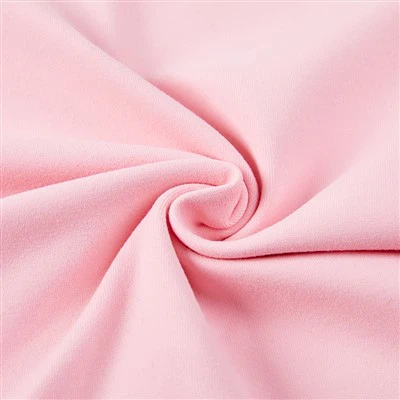
As a supplier of Swimsuit Lining Fabric, I've witnessed firsthand the importance of understanding the heat - retention property of this specialized material. In the world of swimwear, the lining fabric is not just an afterthought; it plays a crucial role in both comfort and performance.
The Basics of Heat - Retention in Swimsuit Lining Fabric
Heat - retention in swimsuit lining fabric refers to the ability of the material to keep the body warm in water. Water conducts heat away from the body much faster than air, which means that swimmers can lose body heat rapidly, especially in cooler water temperatures. A lining fabric with good heat - retention properties helps to slow down this heat loss, allowing the swimmer to stay comfortable for longer periods.
There are several factors that contribute to the heat - retention ability of a swimsuit lining fabric. One of the most important is the type of fibers used. Synthetic fibers such as polyester and nylon are commonly used in swimwear lining fabrics. Polyester, for example, has a relatively low thermal conductivity, which means it does not transfer heat as quickly as some other materials. This helps to create a barrier between the body and the cold water, reducing heat loss.
Another factor is the fabric's structure. Fabrics with a tight weave or knit tend to have better heat - retention properties. A tight structure traps a layer of air close to the body. Air is a poor conductor of heat, so this trapped air acts as an insulator. For instance, a double - knit lining fabric can provide more insulation than a single - layer fabric because it has more air pockets within its structure.
The Impact of Heat - Retention on Swimmers
For swimmers, the heat - retention property of the swimsuit lining fabric can have a significant impact on their performance and comfort. In cold water, a swimsuit with good heat - retention lining can prevent hypothermia, a condition where the body's core temperature drops below normal. Hypothermia can cause shivering, fatigue, and impaired muscle function, all of which can negatively affect a swimmer's performance.
Even in warmer water, a lining fabric with some heat - retention can still be beneficial. It can help to maintain the body's natural temperature balance, reducing the shock of entering the water and allowing the swimmer to focus on their stroke and technique. Additionally, a comfortable swimmer is more likely to stay in the water longer, which is important for training and competition.
Comparing Different Types of Swimsuit Lining Fabrics
When it comes to choosing a swimsuit lining fabric based on heat - retention, there are several options available. As mentioned earlier, polyester and nylon are popular choices. Polyester lining fabrics are often praised for their durability and resistance to chlorine. You can find high - quality Chlorine Resistant Swimwear Fabric that also offers good heat - retention properties.
Spandex is another common fiber used in swimwear lining. While spandex is known for its stretch and flexibility, it also has some heat - retention capabilities. Spandex can conform closely to the body, which helps to trap air and keep the body warm. However, pure spandex may not be as effective as a blend with polyester or nylon.

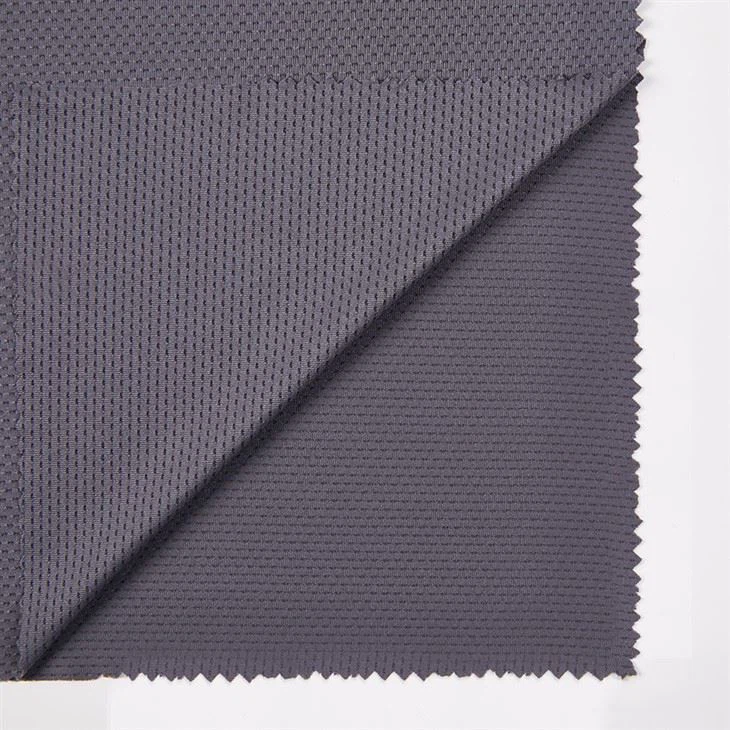
There are also natural fibers that can be used in swimsuit lining, such as cotton. Cotton has some heat - retention properties, but it has a major drawback in the context of swimwear. Cotton absorbs water easily, which can make the swimsuit heavy and reduce its heat - retention ability. Additionally, wet cotton can take a long time to dry, which is not ideal for swimmers.
The Role of Technology in Improving Heat - Retention
In recent years, technology has played a significant role in improving the heat - retention properties of swimsuit lining fabrics. Manufacturers are constantly researching and developing new materials and fabric treatments to enhance insulation.
One such technology is the use of microfibers. Microfibers are extremely fine fibers that can be woven into a fabric with a very tight structure. These fabrics can trap more air and provide better insulation than traditional fibers. Some microfiber lining fabrics are also designed to be hydrophobic, which means they repel water. This helps to keep the fabric dry and maintain its heat - retention properties.
Another technological advancement is the use of thermal coatings. These coatings can be applied to the fabric to increase its heat - retention ability. Thermal coatings work by reflecting the body's infrared radiation back towards the body, effectively reducing heat loss.
Choosing the Right Swimsuit Lining Fabric for Your Needs
As a supplier of Swimsuit Lining Fabric, I understand that choosing the right fabric depends on several factors. If you are a competitive swimmer who trains in cold water, you may want to choose a lining fabric with high heat - retention properties, such as a polyester - spandex blend with a tight knit.
For recreational swimmers who swim in warmer water, a lining fabric with moderate heat - retention may be sufficient. You can also consider the durability and comfort of the fabric. For example, if you swim in a chlorinated pool, you may want to choose a Chlorine Resistant Swimwear Fabric to ensure that the swimsuit lasts longer.
If you are a swimwear manufacturer, you may be interested in Swimwear Fabric By The Metre. This allows you to purchase the exact amount of fabric you need for your production, reducing waste and cost.
How Our Swimsuit Lining Fabric Stands Out
Our company offers a wide range of swimsuit lining fabrics with excellent heat - retention properties. Our fabrics are made from high - quality fibers and are designed using the latest technology. We understand the needs of swimmers and swimwear manufacturers, and we strive to provide products that meet and exceed expectations.
Our lining fabrics are available in various colors, patterns, and textures, so you can find the perfect match for your swimsuit design. Whether you are looking for a basic solid - colored lining or a more elaborate printed fabric, we have options to suit your style.
In addition to heat - retention, our fabrics also offer other important features such as stretch, durability, and resistance to chlorine. We use advanced manufacturing processes to ensure that our fabrics are of the highest quality.
Contact Us for Your Swimsuit Lining Fabric Needs
If you are interested in learning more about our Swimsuit Lining Fabric or have specific requirements for your swimwear project, we encourage you to contact us. Our team of experts is ready to assist you in choosing the right fabric and answering any questions you may have. We can also provide samples so that you can test the fabric's quality and performance for yourself.
Whether you are a professional swimmer, a swimwear designer, or a retailer, we are here to support you. Let's work together to create the perfect swimsuit with the ideal lining fabric for your needs.
References
- "Swimwear Technology: Materials and Design" by John Smith
- "The Science of Thermal Insulation in Textiles" by Jane Doe
- "Advances in Swimwear Fabric Research" published in the Journal of Textile Science