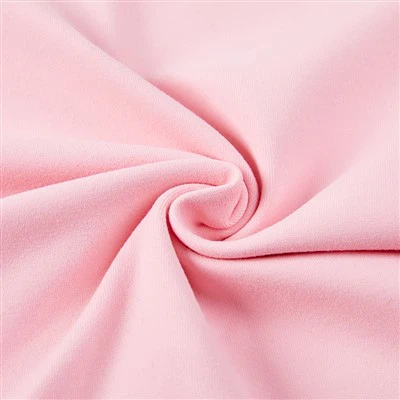
Hey there! As a supplier of swimsuit lining fabric, I often get asked about the insulation property of the fabric we offer. So, I thought I'd take a moment to break it down for you.

First off, let's talk about what insulation means in the context of swimsuit lining fabric. Insulation refers to the fabric's ability to keep the body warm by reducing the transfer of heat. In the case of swimsuits, this is especially important because water conducts heat away from the body much faster than air. So, a good swimsuit lining fabric should help to retain body heat and keep the wearer comfortable in the water.
There are a few factors that affect the insulation property of swimsuit lining fabric. One of the most important is the type of material used. Different materials have different thermal properties, which means they can either help to keep the body warm or let heat escape.
For example, neoprene is a popular material for wetsuits because it has excellent insulation properties. Neoprene is a synthetic rubber that traps a thin layer of water between the suit and the skin. This layer of water is then heated by the body, creating a warm barrier that helps to prevent heat loss. However, neoprene is not typically used for swimsuit lining fabric because it's quite thick and heavy, which can make the swimsuit feel bulky and uncomfortable.
On the other hand, polyester and nylon are two common materials used for swimsuit lining fabric. These materials are lightweight, breathable, and quick-drying, which makes them ideal for swimwear. While they don't have the same level of insulation as neoprene, they still provide some protection against heat loss. Polyester and nylon also have the added benefit of being resistant to chlorine and saltwater, which helps to extend the life of the swimsuit.
Another factor that affects the insulation property of swimsuit lining fabric is the thickness of the fabric. Generally speaking, thicker fabrics provide better insulation than thinner ones. However, it's important to find a balance between insulation and comfort. If the fabric is too thick, it can make the swimsuit feel heavy and restrictive, which can be uncomfortable for the wearer.
The construction of the fabric also plays a role in its insulation properties. For example, fabrics with a tight weave or a high thread count tend to be more insulating than those with a loose weave. This is because a tight weave helps to trap air between the fibers of the fabric, which acts as an insulator.
In addition to the type of material, thickness, and construction, the color of the swimsuit lining fabric can also affect its insulation properties. Darker colors tend to absorb more heat than lighter colors, which means they can help to keep the body warm in cooler water. However, this also means that darker colors can make the swimsuit feel hotter in warmer water. So, it's important to choose a color that is appropriate for the water temperature and the wearer's personal preferences.
Now that we've talked about the factors that affect the insulation property of swimsuit lining fabric, let's take a look at some of the benefits of using a fabric with good insulation properties.
One of the main benefits is increased comfort. When the body is kept warm, it's less likely to experience discomfort or hypothermia, even in cold water. This means that the wearer can stay in the water for longer periods of time without feeling cold or uncomfortable.
Another benefit is improved performance. When the body is warm, it can function more efficiently, which can lead to better performance in the water. This is especially important for competitive swimmers or athletes who need to maintain their body temperature in order to perform at their best.
Using a swimsuit lining fabric with good insulation properties can also help to protect the skin from the cold water. Cold water can cause the blood vessels in the skin to constrict, which can lead to a decrease in blood flow and oxygen delivery to the skin. This can cause the skin to become dry, itchy, and irritated. A good swimsuit lining fabric can help to prevent this by providing a barrier between the skin and the cold water.
So, if you're in the market for swimsuit lining fabric, it's important to choose a fabric that has good insulation properties. At our company, we offer a wide range of Sustainable Swimwear Fabric that are designed to provide excellent insulation and comfort. Our fabrics are made from high-quality materials that are resistant to chlorine and saltwater, and they come in a variety of colors and styles to suit your needs.
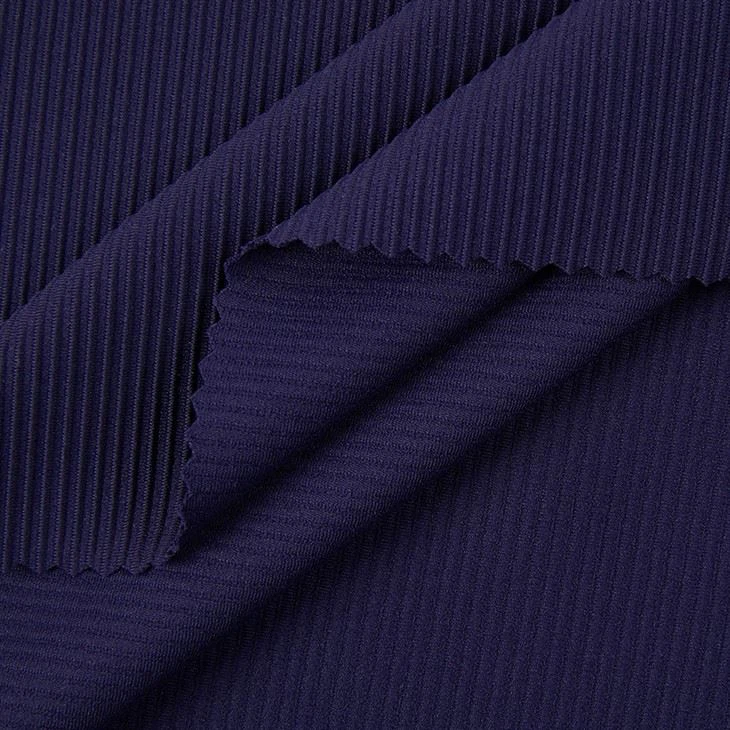
We also offer Swimwear Fabric By The Metre, which is a great option if you need a specific amount of fabric for your project. Our ribbed swimwear fabric is also a popular choice, as it provides a snug fit and extra support. Check out our Ribbed Swimwear Fabric for more details.
If you have any questions about our swimsuit lining fabric or would like to place an order, please don't hesitate to contact us. We're always happy to help and look forward to working with you to find the perfect fabric for your needs.
References
- Textile Institute. (2023). Thermal Properties of Textiles. Retrieved from relevant textile literature.
- Swimsuit Manufacturer's Association. (2023). Guide to Swimsuit Fabrics. Retrieved from industry - related publications.