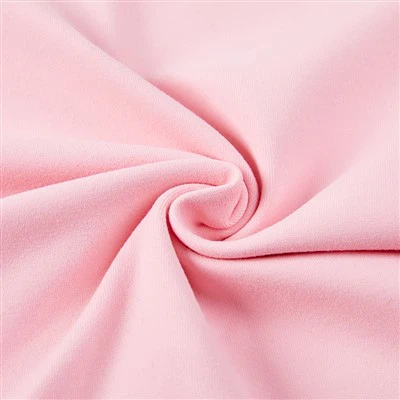
Hey there, fellow cycling enthusiasts! As a supplier of Cycling Clothing Material, I've spent a ton of time diving into the nitty - gritty of different cycling clothing materials. One of the most important aspects that often gets overlooked is tear - resistance. In this blog, I'm gonna break down the tear - resistance of various cycling clothing materials so you can make an informed choice for your next cycling gear.
Let's start with the basics. Tear - resistance refers to a material's ability to withstand tearing when it's subjected to a force. For cyclists, this is crucial because you never know when you might have a fall or brush against something sharp on the road. A tear - resistant cycling outfit can save you from embarrassing rips and also provide some extra protection.
Polyester
Polyester is one of the most commonly used materials in cycling clothing. It's lightweight, breathable, and dries quickly, which are all great features for cyclists. But how does it fare in terms of tear - resistance?
Well, polyester has a decent level of tear - resistance. It's made up of synthetic fibers that are tightly woven together. This tight weave gives it some strength against tearing. However, it's not the strongest out there. If you crash hard or get caught on a really sharp object, polyester can still tear. But for everyday cycling, it's usually sufficient.
Most cycling jerseys made from polyester are designed with multiple layers or reinforced areas in high - stress zones like the elbows and shoulders. This helps to boost the overall tear - resistance of the garment. If you're looking for Best Fabric for Cycling Jersey that balances tear - resistance with other important features like breathability, polyester is a solid choice.
Nylon
Nylon is another popular material in cycling gear. It's known for its high strength - to - weight ratio. When it comes to tear - resistance, nylon is generally better than polyester.
Nylon fibers are very tough and can withstand a significant amount of force before tearing. It's often used in cycling shorts and jackets, especially those designed for more extreme cycling conditions. For example, mountain bikers who are more likely to encounter rough terrain and sharp branches often opt for nylon - based clothing.
One of the reasons nylon is so tear - resistant is its molecular structure. The long - chain polymers in nylon give it excellent tensile strength. However, nylon does have some drawbacks. It's not as breathable as polyester, and it can absorb more moisture, which might make you feel a bit clammy during a long ride.
Lycra (Spandex)
Lycra, also known as spandex, is a stretchy material that's commonly blended with other fibers in cycling clothing. It's used to provide a snug fit and allow for a wide range of motion. But what about its tear - resistance?
On its own, Lycra is not very tear - resistant. It's a very stretchy material, and its main function is to provide elasticity rather than strength. However, when it's blended with other materials like polyester or nylon, it can enhance the overall performance of the cycling clothing.
For example, a cycling jersey made from a polyester - Lycra blend will have the breathability and some tear - resistance of polyester, along with the stretchiness of Lycra. This combination allows for a comfortable, form - fitting garment that can still withstand some wear and tear.
Gore - Tex
Gore - Tex is a high - performance material that's often used in cycling jackets, especially for wet and cold conditions. It's known for its waterproof and breathable properties, but it also has good tear - resistance.
Gore - Tex is made up of a thin, porous membrane that is laminated to a fabric backing. This construction gives it a high level of strength. The membrane is resistant to tearing, and the backing material adds an extra layer of protection.
However, Gore - Tex is quite expensive compared to other materials. It's usually reserved for high - end cycling gear. If you're a serious cyclist who rides in all kinds of weather conditions and wants a jacket that can last, investing in a Gore - Tex cycling jacket might be worth it.
Kevlar
Kevlar is a super - strong material that's commonly used in bulletproof vests and other high - impact applications. In the cycling world, it's sometimes used in small amounts to reinforce cycling clothing.
Kevlar has an incredibly high tear - resistance. It's made up of long, strong fibers that are very difficult to break. When added to cycling clothing, even in small patches, it can significantly improve the overall tear - resistance of the garment.
For example, some cycling gloves have Kevlar reinforcements in the palm area. This helps to prevent tears if you fall and slide on the road. However, Kevlar is also very stiff and not very breathable on its own. So, it's usually used in combination with other materials.
Comparing the Materials
When comparing these materials, it's important to consider your specific cycling needs. If you're a casual road cyclist who rides on smooth paths, a polyester or polyester - Lycra blend might be sufficient. These materials offer good breathability and a reasonable level of tear - resistance at an affordable price.


If you're a mountain biker or an extreme cyclist, nylon or a material with Kevlar reinforcements might be a better choice. These materials can withstand the rough and tumble of off - road cycling.
Gore - Tex is ideal for cyclists who ride in wet and cold conditions. It provides excellent protection against the elements and has good tear - resistance, but it comes at a higher cost.
How to Test Tear - Resistance
As a supplier, I often get asked how to test the tear - resistance of cycling clothing materials. There are a few ways to do this.
One simple way is to gently tug on the material at different points. If it tears easily or shows signs of stretching and fraying, it might not have good tear - resistance. Another way is to look at the construction of the garment. A well - made cycling outfit with reinforced seams and multiple layers is likely to be more tear - resistant.
Some manufacturers also conduct laboratory tests using specialized equipment. These tests measure the force required to tear the material and can provide more accurate data. However, as a consumer, you might not have access to these tests. So, relying on the reputation of the brand and the materials used is often a good approach.
Conclusion
In conclusion, the tear - resistance of cycling clothing materials varies widely. Each material has its own pros and cons, and the best choice depends on your cycling style, budget, and the conditions you ride in.
As a Cycling Clothing Material supplier, I'm here to help you find the perfect material for your cycling needs. Whether you're looking for a breathable polyester jersey, a tough nylon jacket, or a high - performance Gore - Tex garment, we've got you covered.
If you're interested in purchasing cycling clothing materials for your brand or business, I'd love to have a chat with you. We can discuss your specific requirements and find the best solutions for you. Don't hesitate to reach out and start the conversation. Let's work together to create the best cycling gear out there!
References
- Textile Institute. Handbook of Technical Textiles. Woodhead Publishing, 2009.
- ASTM International. Standards for Tear Resistance Testing of Textiles. ASTM, 2020.