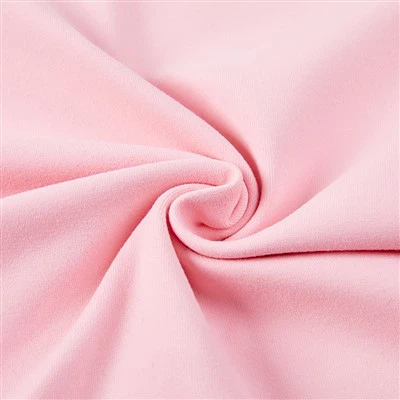
Tensile strength is a crucial factor when it comes to gym leggings fabrics. As a gym leggings fabric supplier, I've witnessed firsthand how the right tensile strength can make or break the performance and durability of gym leggings. In this blog post, I'll delve into the tensile strength of different gym leggings fabrics, exploring what it means, why it matters, and how various materials stack up in this regard.
Understanding Tensile Strength
Tensile strength refers to the maximum amount of tensile (pulling) stress that a material can withstand before breaking or failing. In the context of gym leggings fabrics, it's a measure of how well the fabric can resist stretching and tearing when subjected to forces during physical activities. A high tensile strength means the fabric is less likely to rip or lose its shape, ensuring that the leggings maintain their integrity and functionality over time.
Why Tensile Strength Matters in Gym Leggings
Gym leggings are designed to withstand a wide range of movements, from high - intensity workouts like squats, lunges, and burpees to more gentle stretching during yoga sessions. During these activities, the fabric is constantly being pulled and stretched in different directions. If the fabric has low tensile strength, it may start to sag, develop holes, or lose its elasticity, compromising both the comfort and appearance of the leggings.
Moreover, for fitness enthusiasts, the durability of gym leggings is of utmost importance. No one wants to invest in a pair of leggings that will fall apart after a few uses. A fabric with high tensile strength ensures that the leggings can endure the rigors of regular workouts, providing long - lasting performance and value for money.
Common Gym Leggings Fabrics and Their Tensile Strength
Polyester
Polyester is a synthetic fabric that is widely used in gym leggings due to its excellent durability and moisture - wicking properties. It has a relatively high tensile strength, which makes it resistant to stretching and tearing. Polyester fibers are strong and can withstand significant pulling forces without breaking. This means that polyester - based gym leggings can maintain their shape even after repeated use and washing.
One of the advantages of polyester is its ability to recover quickly from stretching. When you stretch a polyester fabric, it will return to its original shape, ensuring that the leggings fit snugly and don't bag out over time. Additionally, polyester is resistant to abrasion, which is important during activities where the leggings may rub against equipment or other surfaces. For more information on comfortable gym leggings made from polyester - like materials, you can check out Comfortable Yoga Pants Fabric.
Nylon
Nylon is another synthetic fabric known for its high tensile strength. It is even stronger than polyester in terms of raw strength and has excellent elasticity. Nylon fibers are tough and can withstand a great deal of stress, making nylon - based gym leggings very durable.
Nylon also has a smooth texture, which provides a comfortable fit against the skin. It is often blended with other fibers, such as spandex, to enhance its stretch and recovery properties. The combination of nylon's strength and spandex's elasticity results in leggings that are both form - fitting and long - lasting. Explore more about nylon - rich Yoga Leggings Fabric on our website.
Spandex (Elastane)
Spandex, also known as elastane, is a synthetic fiber prized for its exceptional elasticity. While spandex itself doesn't have the highest tensile strength on its own, it is often blended with other fabrics like polyester or nylon to create a fabric with both stretch and strength.
Spandex can stretch up to 5 - 8 times its original length and still return to its original shape. When combined with a strong fabric like polyester or nylon, it adds the much - needed stretchability to gym leggings, allowing for a full range of motion during workouts. However, the amount of spandex in the blend can affect the overall tensile strength. A higher percentage of spandex may result in a more stretchy but less durable fabric, while a lower percentage can provide a good balance between stretch and strength.
Cotton
Cotton is a natural fiber that is soft and breathable, but it generally has a lower tensile strength compared to synthetic fabrics like polyester and nylon. Cotton fibers are more prone to stretching and tearing, especially when wet. However, cotton blends are often used in gym leggings to add comfort and breathability.


For example, a cotton - polyester blend can combine the softness of cotton with the strength and durability of polyester. The polyester component helps to improve the tensile strength of the fabric, while the cotton provides a comfortable feel against the skin. But it's important to note that pure cotton gym leggings may not be as durable as those made from synthetic fabrics and may require more careful handling.
Testing the Tensile Strength of Gym Leggings Fabrics
As a gym leggings fabric supplier, we conduct rigorous testing to ensure that our fabrics meet the highest standards of quality and durability. One common method of testing tensile strength is the strip tensile test. In this test, a strip of fabric is clamped at both ends and pulled until it breaks. The maximum force applied before the fabric breaks is recorded as the tensile strength.
We also test the fabric's elasticity and recovery properties. This involves stretching the fabric to a certain percentage of its original length and measuring how well it returns to its original shape. These tests help us to select the best fabrics for our gym leggings and to provide our customers with products that are both comfortable and long - lasting.
Choosing the Right Fabric Based on Tensile Strength
When choosing gym leggings, it's important to consider the type of activities you'll be doing. If you're into high - impact sports like running, weightlifting, or cross - training, you'll want leggings made from a fabric with high tensile strength, such as polyester or nylon blends. These fabrics can withstand the intense movements and forces associated with these activities.
On the other hand, if you're mainly doing yoga or other low - impact activities, you may prioritize comfort and breathability over pure strength. In this case, a cotton blend or a fabric with a higher percentage of spandex may be more suitable. However, even for low - impact activities, a certain level of tensile strength is still necessary to ensure that the leggings don't fall apart after a few uses.
Conclusion
The tensile strength of gym leggings fabrics plays a vital role in their performance and durability. Different fabrics have different levels of tensile strength, and understanding these differences can help you choose the right gym leggings for your needs. As a gym leggings fabric supplier, we are committed to providing high - quality fabrics that offer a perfect balance of strength, stretch, and comfort.
If you're interested in sourcing gym leggings fabrics for your brand or business, we'd love to have a conversation with you. Whether you're looking for Comfortable Yoga Pants Fabric, Yoga Leggings Fabric, or Gym Leggings Fabric, we have a wide range of options to meet your requirements. Contact us to discuss your specific needs and let's work together to create the perfect gym leggings for your customers.
References
- "Textile Science and Technology" by J. E. Booth
- "Engineering Properties of Textiles" by B. Postle