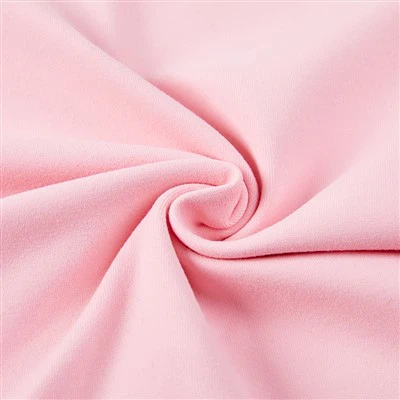
Hey there, fitness enthusiasts and gym-goers! As a supplier of Gym Leggings Fabric, I've spent a ton of time exploring the ins and outs of different fabrics used in gym leggings. Today, I'm gonna break down the textures of these fabrics so you can understand what makes each one unique.
Let's start with one of the most common materials: polyester. Polyester Fabric Leggings are super popular in the gym world, and for good reason. Polyester has a smooth and sleek texture. When you run your hand over a pair of polyester leggings, it feels almost like a second skin. It's got this kind of slippery feel to it, which means it doesn't cling to your skin in an uncomfortable way.
One of the great things about the smooth texture of polyester is that it allows for a wide range of motion. Whether you're doing yoga poses that require you to stretch your legs way out or you're sprinting on the treadmill, polyester leggings won't hold you back. They glide over your skin, reducing friction and letting you move freely.
Another plus is that polyester is really durable. The smooth texture doesn't easily wear down, even with regular use and washing. You can toss these leggings in the washing machine again and again, and they'll still maintain their shape and texture. However, polyester isn't the most breathable fabric out there. It can trap heat and moisture, which might make you feel a bit sweaty during intense workouts.
Next up, we have spandex. Spandex is often blended with other fabrics like polyester to create leggings that are both stretchy and have a good texture. Spandex has an incredibly stretchy and elastic texture. You can pull it in all directions, and it will snap right back into place. This is perfect for gym leggings because it allows you to move in any way you want without feeling restricted.
When you put on a pair of leggings with spandex in them, you'll notice how they hug your body in all the right places. The texture is soft and flexible, making it comfortable to wear for long periods. Whether you're doing a high-intensity interval training session or just going for a light jog, spandex leggings will move with you.
But spandex does have its drawbacks. Over time, the stretchy texture can start to lose its elasticity, especially if you don't take proper care of the leggings. Also, spandex can be a bit more expensive than some other fabrics, which might be a consideration for some people.
Now, let's talk about cotton. Cotton is a natural fabric, and it has a soft and cozy texture. When you touch cotton leggings, it feels like you're touching a soft blanket. The texture is gentle on your skin, making it a great choice for people with sensitive skin.
Cotton leggings are also very breathable. The fabric allows air to circulate around your legs, keeping you cool and dry during your workout. However, cotton isn't as stretchy as spandex or polyester. It doesn't have that same ability to move with you during dynamic exercises. So, if you're doing a lot of stretching or high-impact activities, cotton leggings might not be the best option.
Another thing to note is that cotton can absorb a lot of moisture. While this can be good in terms of keeping you dry, it also means that the leggings can get heavy when they're wet. This can be a bit of a nuisance during a long workout.


Then there's nylon. Nylon has a similar texture to polyester, but it's a bit more durable and lightweight. The texture of nylon leggings is smooth and silky, and it has a nice sheen to it. Nylon is also very resistant to abrasion, which means it can withstand a lot of wear and tear.
Like polyester, nylon allows for easy movement. It doesn't stick to your skin, and it dries quickly. This makes it a great choice for workouts where you might sweat a lot. However, nylon isn't as breathable as cotton, so you might feel a bit warm if you're doing a really intense workout.
Now, let's move on to Tights Fabric. Tights fabric is often a blend of different materials, and it has a unique texture. Tights usually have a very tight and compressive texture. They hug your legs tightly, providing support and stability during your workout.
The texture of tights fabric can vary depending on the blend. Some tights have a smooth texture, similar to polyester or nylon, while others have a more textured or ribbed look. The compressive texture can help improve blood circulation in your legs, which can reduce muscle fatigue and soreness.
However, the tight texture of tights might not be comfortable for everyone. Some people might find it too restrictive, especially if they're not used to wearing compressive clothing.
So, how do you choose the right texture of gym leggings fabric for you? Well, it depends on your personal preferences and the type of workouts you do. If you're into high-intensity workouts and need a lot of flexibility, spandex or a blend of spandex and polyester might be the way to go. If you have sensitive skin and prefer a more natural fabric, cotton could be a good choice. And if you're looking for durability and quick-drying properties, nylon or polyester might be what you need.
As a Gym Leggings Fabric supplier, I've got a wide range of fabrics with different textures to suit all your needs. Whether you're a small boutique looking to stock up on high-quality leggings or a large fitness brand in need of bulk orders, I can provide you with the perfect fabric.
If you're interested in learning more about our fabrics or want to discuss a potential order, feel free to reach out. I'm always happy to chat and help you find the right fabric for your gym leggings. Let's work together to create the best workout gear out there!
References
- Textile Institute. Handbook of Technical Textiles. Woodhead Publishing, 2009.
- ASTM International. Standard Test Methods for Physical Testing of Textiles. ASTM International, 2021.