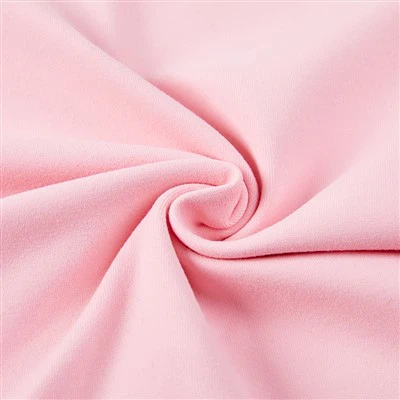
What is the texture of shirting knit fabric?
As a supplier of Shirting Knit Fabric, I've had the privilege of exploring the nuances of this remarkable material. In this blog, I'll delve into the texture of shirting knit fabric, its characteristics, and why it stands out in the world of textiles.
Understanding Shirting Knit Fabric
Shirting knit fabric is a type of fabric that combines the comfort of knit materials with the classic look of traditional shirting. It is created through a knitting process, which involves interlocking loops of yarn. This results in a fabric that has a certain stretch and flexibility, unlike woven shirting fabrics that are made by interlacing two sets of yarns at right angles.
The texture of shirting knit fabric can vary widely depending on several factors, including the type of yarn used, the knitting technique, and the finishing processes applied.
Yarn Selection and Its Impact on Texture
The choice of yarn is one of the most significant factors influencing the texture of shirting knit fabric. Different types of yarns bring unique qualities to the fabric.
Cotton Yarn
Cotton is a popular choice for shirting knit fabric due to its natural breathability and softness. Cotton yarns can create a fabric with a smooth and gentle texture that feels great against the skin. It has a natural absorbency, which helps to keep the wearer dry and comfortable, making it ideal for everyday shirts. The texture of cotton shirting knit fabric can range from a fine, almost silky feel in high - quality combed cotton to a more rustic, textured appearance in organic or coarser cotton varieties. For those looking for the Most Comfortable T Shirt Material, cotton shirting knit fabric is often a top choice.
Polyester Yarn
Polyester yarns are known for their durability and wrinkle - resistance. When used in shirting knit fabric, they can give the fabric a smooth and shiny texture. Polyester shirting knit fabric is often more resistant to shrinking and stretching compared to cotton. It can also have a slightly synthetic feel, but modern manufacturing techniques have made it possible to create polyester shirting knit fabrics that closely mimic the look and feel of natural fibers. Warp - Knit Polyester Shirt Fabric is an example of a product that showcases the unique texture and properties of polyester in shirting applications.


Blended Yarns
Blending different types of yarns, such as cotton and polyester, is a common practice in shirting knit fabric production. This allows manufacturers to combine the best qualities of each fiber. For example, a cotton - polyester blend can offer the softness and breathability of cotton along with the durability and wrinkle - resistance of polyester. The texture of a blended shirting knit fabric can be a harmonious combination of the textures of the individual fibers, resulting in a fabric that is both comfortable and practical.
Knitting Techniques and Texture
The knitting technique used to create shirting knit fabric also plays a crucial role in determining its texture.
Single - Jersey Knit
Single - jersey knit is one of the most basic knitting techniques. It creates a fabric with a smooth, flat surface on one side and a slightly textured, looped surface on the other. This type of knit is lightweight and has a good amount of stretch, making it suitable for casual shirts. The texture of single - jersey shirting knit fabric is often soft and flexible, allowing for ease of movement.
Double - Jersey Knit
Double - jersey knit produces a fabric that is thicker and more stable than single - jersey knit. It has a smooth surface on both sides and less stretch compared to single - jersey. The texture of double - jersey shirting knit fabric is more substantial and can give shirts a more structured appearance. It is often used for more formal or heavy - duty shirting applications.
Rib Knit
Rib knit is characterized by its vertical ridges or ribs. This knitting technique creates a fabric with a stretchy and elastic texture. Ribbed shirting knit fabric can be used for cuffs, collars, or as an accent in shirts. The ribs add a decorative element to the fabric while also providing a snug fit.
Finishing Processes and Texture Enhancement
After the fabric is knitted, various finishing processes can be applied to enhance its texture and performance.
Mercerization
Mercerization is a process that involves treating cotton fabric with a caustic soda solution. This treatment can improve the strength, luster, and dye - affinity of the fabric. Mercerized shirting knit fabric has a smoother, more polished texture and a slight sheen. It also becomes more resistant to shrinking and wrinkling.
Brushing
Brushing is a process where the surface of the fabric is gently rubbed with brushes to raise the fibers. This creates a soft, fuzzy texture on the fabric, similar to flannel. Brushed shirting knit fabric is warm and cozy, making it suitable for shirts worn in colder weather.
Printing and Embossing
Printing and embossing can add visual and tactile texture to shirting knit fabric. Printed patterns can range from simple geometric designs to elaborate floral prints. Embossing creates a three - dimensional texture on the fabric, adding depth and interest.
Advantages of Shirting Knit Fabric Texture
The unique texture of shirting knit fabric offers several advantages.
Comfort
The stretch and flexibility of shirting knit fabric make it extremely comfortable to wear. It moves with the body, allowing for a full range of motion without feeling restrictive. Whether you're sitting at a desk, running errands, or engaging in physical activities, shirting knit fabric shirts provide a high level of comfort.
Versatility
The wide range of textures available in shirting knit fabric makes it suitable for various styles and occasions. From casual t - shirts to more formal dress shirts, shirting knit fabric can be tailored to meet different fashion needs. Its ability to be combined with different yarns, knitting techniques, and finishing processes allows for endless design possibilities.
Durability
Depending on the yarn and finishing processes used, shirting knit fabric can be quite durable. Fabrics made with polyester or blended yarns are often more resistant to wear and tear, making them a long - lasting choice for shirts.
Conclusion
The texture of shirting knit fabric is a complex and fascinating aspect of this versatile material. It is influenced by factors such as yarn selection, knitting techniques, and finishing processes. As a supplier of Shirting Knit Fabric, I am constantly amazed by the variety of textures that can be achieved. Whether you're looking for a soft and breathable cotton shirt, a wrinkle - resistant polyester option, or a unique blended fabric, shirting knit fabric has something to offer.
If you're interested in exploring our range of shirting knit fabrics for your clothing line or personal projects, I encourage you to reach out to us. We are happy to provide samples and discuss your specific requirements. Let's work together to create high - quality shirts with the perfect texture.
References
- Textile Science textbooks
- Industry reports on shirting fabric trends
- Manufacturer's specifications for yarns and knitting machines