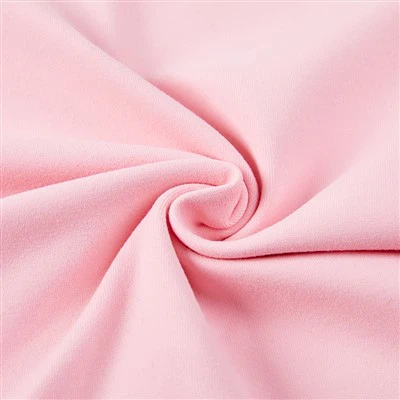
As a supplier of Ribbed Swimwear Fabric, I often get asked about the various properties of our products, and one question that has been coming up more frequently lately is about thermal conductivity. In this blog post, I'll delve into what thermal conductivity means in the context of ribbed swimwear fabric, how it affects the performance of the swimwear, and why it matters to both manufacturers and end - users.
Understanding Thermal Conductivity
Thermal conductivity is a measure of a material's ability to conduct heat. In simple terms, it tells us how quickly heat can pass through a substance. Materials with high thermal conductivity transfer heat rapidly, while those with low thermal conductivity are better at insulating and reducing the rate of heat transfer.
In the case of ribbed swimwear fabric, thermal conductivity plays a crucial role in determining how the wearer feels in the water and out of it. When a swimmer enters the water, their body temperature can drop quickly, especially in cold water. A fabric with low thermal conductivity can help to slow down this heat loss, keeping the swimmer warmer for longer. On the other hand, when the swimmer gets out of the water, a fabric that can quickly release the absorbed water and allow the body to dry can be beneficial, and thermal conductivity can also influence this process.
Factors Affecting the Thermal Conductivity of Ribbed Swimwear Fabric
Material Composition
The type of fibers used in the ribbed swimwear fabric has a significant impact on its thermal conductivity. For instance, synthetic fibers like polyester and nylon are commonly used in swimwear. Polyester generally has a relatively low thermal conductivity, which means it can provide some insulation. It helps to keep the body heat from escaping too quickly into the water. Nylon, on the other hand, is known for its durability and also has decent thermal properties.
Natural fibers such as cotton are rarely used in pure form for swimwear because they absorb a large amount of water and take a long time to dry. However, some blends might incorporate small amounts of natural fibers. If a ribbed swimwear fabric is a blend of different fibers, the overall thermal conductivity will be a combination of the properties of each fiber type.
Ribbed Structure
The ribbed structure of the fabric can also affect thermal conductivity. The ribs create air pockets within the fabric. Air is a poor conductor of heat, so these air pockets act as insulators. They reduce the direct contact between the body and the water, slowing down the heat transfer. Additionally, the ribbed design can enhance the fabric's ability to wick away moisture. When water is quickly removed from the fabric, the body can dry faster, and this is related to the fabric's ability to manage heat.
Fabric Thickness
Thicker fabrics generally have lower thermal conductivity compared to thinner ones. A thicker ribbed swimwear fabric will have more material to impede the flow of heat. However, there is a balance to be struck. If the fabric is too thick, it can become heavy and restrict the swimmer's movement, which is not ideal for performance - oriented swimwear.
Importance of Thermal Conductivity for Different Types of Swimmers
Competitive Swimmers
For competitive swimmers, maintaining an optimal body temperature is crucial for performance. In cold water, a swimwear fabric with low thermal conductivity can help them conserve energy that would otherwise be used to keep the body warm. This energy can then be redirected towards swimming faster. Moreover, a fabric that can dry quickly when they get out of the water can prevent them from feeling chilled between races.
Recreational Swimmers
Recreational swimmers also benefit from the right thermal conductivity in their swimwear. They may not be as concerned about speed, but comfort is a top priority. A fabric that keeps them warm in the water and dries quickly when they leave the water can make their swimming experience more enjoyable. It can also reduce the risk of catching a cold after a swim.
Our Ribbed Swimwear Fabric and Thermal Conductivity
At our company, we take great pride in producing Ribbed Swimwear Fabric with excellent thermal properties. Our fabric is carefully engineered to balance insulation and moisture management.
We use high - quality synthetic fibers that have been selected for their low thermal conductivity and durability. The ribbed design of our fabric is optimized to create the right amount of air pockets for insulation while also ensuring efficient wicking of moisture. Whether you are a professional swimmer or someone who just enjoys a casual dip in the pool, our ribbed swimwear fabric can provide the comfort and performance you need.
Other Properties of Our Ribbed Swimwear Fabric
In addition to thermal conductivity, our ribbed swimwear fabric has other outstanding properties. One of them is its chlorine resistance. Chlorine in swimming pools can damage swimwear over time, causing it to fade, stretch, or lose its shape. Our Chlorine Resistant Swimwear Fabric is designed to withstand the harsh effects of chlorine, ensuring that the swimwear lasts longer.
We are also committed to sustainability. Our Sustainable Swimwear Fabric is made from recycled materials or fibers that have a low environmental impact. This means that you can enjoy your swim while also doing your part for the planet.
Conclusion
Thermal conductivity is an important property of ribbed swimwear fabric that affects the comfort and performance of swimmers. By understanding the factors that influence thermal conductivity, such as material composition, ribbed structure, and fabric thickness, we can produce high - quality swimwear fabric that meets the needs of different swimmers.
Our ribbed swimwear fabric not only offers excellent thermal properties but also has other beneficial features like chlorine resistance and sustainability. If you are a swimwear manufacturer looking for a reliable fabric supplier or an individual interested in purchasing high - quality swimwear, we would love to hear from you. Contact us to discuss your requirements and start a procurement negotiation.


References
- Incropera, F. P., & DeWitt, D. P. (2002). Fundamentals of Heat and Mass Transfer. John Wiley & Sons.
- Textile Institute. (2010). Handbook of Technical Textiles. Woodhead Publishing.