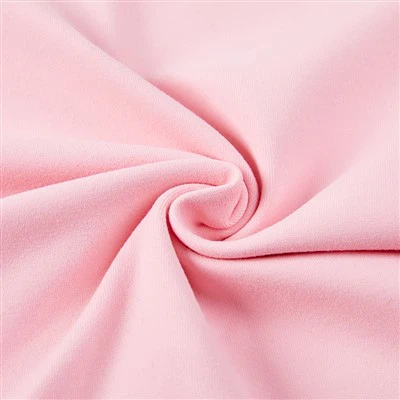
What is the thickness of different swimwear fabrics?
As a swimwear fabric supplier, I've witnessed firsthand the diverse needs and preferences of designers and manufacturers in the swimwear industry. One of the most frequently asked questions I encounter is about the thickness of different swimwear fabrics. In this blog post, I'll delve into the various types of swimwear fabrics, their typical thicknesses, and how these characteristics impact the performance and style of swimwear.


Understanding Swimwear Fabric Thickness
Fabric thickness is a crucial factor in swimwear design, as it directly affects the garment's durability, comfort, and appearance. Thicker fabrics generally offer more coverage and support, while thinner fabrics provide a more lightweight and flexible feel. The thickness of swimwear fabric is typically measured in grams per square meter (gsm), which indicates the weight of the fabric per unit area.
Common Types of Swimwear Fabrics and Their Thickness
Polyester/Spandex Blend
This is one of the most popular choices for swimwear due to its excellent stretch, durability, and resistance to chlorine and UV rays. Polyester/spandex blend fabrics typically range from 180 gsm to 280 gsm. A fabric with a lower gsm, around 180 - 200 gsm, is lightweight and ideal for swimsuits that require a high degree of flexibility, such as competition swimwear. On the other hand, a higher gsm fabric, around 240 - 280 gsm, provides more coverage and support, making it suitable for beachwear and swimsuits for plus - size individuals.
Nylon/Spandex Blend
Nylon/spandex blend fabrics are known for their softness, smooth texture, and excellent shape retention. They usually have a thickness ranging from 200 gsm to 300 gsm. A 200 - 220 gsm nylon/spandex fabric is often used for delicate and form - fitting swimsuits, while a 260 - 300 gsm fabric is better suited for swimwear that needs to withstand more wear and tear, such as swim trunks and rash guards.
Neoprene
Neoprene is a synthetic rubber material commonly used in wetsuits. It provides excellent insulation and buoyancy, making it ideal for cold - water swimming. Neoprene thickness can vary significantly, from 1mm to 7mm or more. A 1 - 2mm neoprene is suitable for warm - water activities or as a lining in some swimwear for added comfort. Thicker neoprene, such as 5 - 7mm, is used for cold - water diving and surfing.
Microfiber
Microfiber swimwear fabrics are lightweight, breathable, and quick - drying. They typically have a thickness of around 150 - 200 gsm. Microfiber is often used in swimsuits for its soft feel and ability to wick away moisture, making it a popular choice for active swimmers.
Impact of Fabric Thickness on Swimwear Performance
Comfort
The thickness of the fabric plays a significant role in the comfort of the swimwear. Thinner fabrics, like those with a lower gsm or thinner neoprene, allow for greater freedom of movement and are less likely to feel restrictive. They also dry more quickly, which is important for swimmers who are in and out of the water frequently. Thicker fabrics, while providing more support, can sometimes feel heavier and less comfortable for extended periods of swimming.
Durability
Thicker fabrics generally offer better durability. A higher gsm fabric or thicker neoprene is more resistant to abrasion, stretching, and damage from chemicals and UV rays. This makes them a better choice for swimwear that will be used frequently or in harsh conditions, such as in a chlorinated pool or under strong sunlight.
Style
Fabric thickness can also influence the style of the swimwear. Thinner fabrics are more suitable for creating sleek and form - fitting designs, while thicker fabrics can add structure and volume to the garment. For example, a thick nylon/spandex blend can be used to create a more structured one - piece swimsuit, while a thin microfiber fabric can be used for a minimalist bikini.
Specialized Swimwear Fabrics and Their Thickness
Swimsuit Lining Fabric
Swimsuit lining fabrics are designed to provide additional comfort and support to the outer layer of the swimwear. They are usually thinner than the outer fabric, with a thickness ranging from 100 gsm to 150 gsm. A lining fabric with a lower gsm ensures that the swimwear remains lightweight while still offering a smooth and comfortable feel against the skin.
Sustainable Swimwear Fabric
Sustainable swimwear fabrics, such as those made from recycled materials, come in a variety of thicknesses similar to traditional swimwear fabrics. However, the focus is often on creating a balance between sustainability and performance. For example, a recycled polyester/spandex blend may have a thickness of 200 - 240 gsm, providing a good combination of durability and flexibility.
Swimwear Fabric By The Metre
When purchasing swimwear fabric by the metre, you have the flexibility to choose the thickness that best suits your needs. Whether you're looking for a thin microfiber for a simple bikini or a thick neoprene for a wetsuit, you can select the appropriate fabric based on its gsm or thickness measurement.
Choosing the Right Fabric Thickness for Your Swimwear
When selecting the fabric thickness for your swimwear, consider the following factors:
- Intended Use: If the swimwear is for competition, a thinner and more flexible fabric may be preferred. For beachwear or casual swimming, a thicker fabric can provide more coverage and support.
- Body Type: Plus - size individuals may benefit from a thicker fabric that offers more support and coverage, while those with a smaller frame may prefer a thinner fabric for a more lightweight feel.
- Style Preferences: If you're going for a sleek and modern look, a thinner fabric is a better choice. For a more structured and voluminous design, opt for a thicker fabric.
Contact Us for Your Swimwear Fabric Needs
As a swimwear fabric supplier, we offer a wide range of fabrics in different thicknesses to meet your specific requirements. Whether you're a small - scale designer or a large - scale manufacturer, we can provide you with high - quality swimwear fabrics at competitive prices. If you're interested in learning more about our products or would like to discuss your swimwear fabric needs, please feel free to contact us. We're here to help you create the perfect swimwear for your customers.
References
- "Swimwear Fabric Guide" by Textile Institute
- "The Science of Swimwear Materials" by Sports Science Journal
- Manufacturer's specifications for various swimwear fabrics.