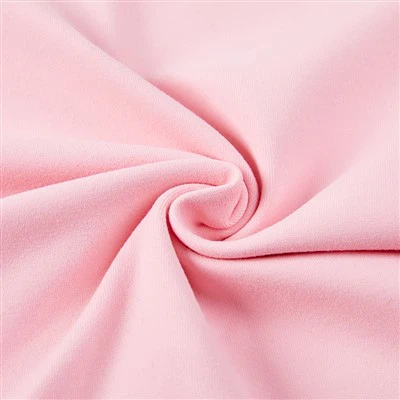
When it comes to sportswear, the fabric plays a pivotal role in determining the overall performance, comfort, and functionality of the garments. As a seasoned sportswear fabric supplier, I've witnessed firsthand how the weight of different sportswear fabrics can significantly impact the end - product. In this blog, we'll delve into the importance of fabric weight and explore various types of sportswear fabrics and their typical weights.
Why Does Fabric Weight Matter?
The weight of a sportswear fabric is measured in grams per square meter (gsm). This measurement is crucial as it affects several aspects of the sportswear. A lighter fabric (low gsm) is often more breathable and flexible, making it ideal for sports that require a high degree of movement, such as running or cycling. On the other hand, a heavier fabric (high gsm) provides more insulation and durability, which is beneficial for sports in colder climates or those that involve a lot of contact, like football or rugby.
Lightweight Sportswear Fabrics
Athletic Jersey Fabric
Athletic jersey fabric is one of the most common lightweight options in the sportswear industry. Athletic Jersey Fabric typically ranges from 120 - 180 gsm. This lightness allows for excellent breathability, which is essential for keeping athletes cool during intense physical activity. The fabric is also highly flexible, ensuring that it doesn't restrict movement. It's commonly used in sports like basketball, volleyball, and track and field.
The low weight of athletic jersey fabric makes it easy to layer, which is useful for athletes who need to adjust their clothing according to the weather conditions. Additionally, its quick - drying properties are a major advantage, as it can wick away sweat from the body, preventing the athlete from feeling damp and uncomfortable.
Mesh Fabrics
Mesh fabrics are another popular choice for lightweight sportswear. They usually have a weight between 80 - 150 gsm. Mesh is known for its exceptional breathability due to its porous structure. This allows air to circulate freely through the fabric, keeping the body cool and dry.
Mesh fabrics are often used in the construction of sportswear where ventilation is a top priority, such as in the underarms or back panels of running shirts. They are also commonly used in sports shoes for breathability. Despite their light weight, mesh fabrics can be quite durable, especially when made from high - quality synthetic materials.
Medium - Weight Sportswear Fabrics
Fabric for Basketball Jersey
Fabric for Basketball Jersey often falls into the medium - weight category, with weights ranging from 180 - 250 gsm. This weight provides a good balance between breathability and durability. Basketball involves a lot of running, jumping, and physical contact, so the fabric needs to be strong enough to withstand the rigors of the game while still allowing the player to move freely.
Medium - weight basketball jersey fabrics are usually made from a blend of synthetic fibers, such as polyester and nylon, which offer excellent stretch and recovery properties. This means that the jersey will maintain its shape even after repeated use and washing. The fabric also has good moisture - wicking capabilities, which is important for keeping the player dry during long games.
Polyester - Cotton Blends
Polyester - cotton blends are a popular choice for medium - weight sportswear. These fabrics typically have a weight of around 200 - 280 gsm. The combination of polyester and cotton offers the best of both worlds. Polyester provides moisture - wicking and durability, while cotton adds comfort and breathability.
These blends are commonly used in sportswear for sports like tennis, golf, and casual fitness activities. They are soft against the skin and can be printed or dyed easily, allowing for a wide range of design options. The medium weight of polyester - cotton blends makes them suitable for use in various weather conditions, as they can provide some insulation in cooler temperatures while still being breathable in warmer weather.
Heavy - Weight Sportswear Fabrics
Waterproof and Breathable Sportswear Fabric
Waterproof and Breathable Sportswear Fabric is often on the heavier side, with weights ranging from 250 - 400 gsm. These fabrics are designed to protect athletes from the elements, such as rain and wind, while still allowing sweat to escape.


The heavy weight of these fabrics is due to the additional layers and coatings used to achieve waterproof and breathable properties. They are commonly used in sports like skiing, snowboarding, and hiking, where exposure to wet and cold conditions is likely. Despite their weight, modern waterproof and breathable fabrics are designed to be flexible and comfortable, allowing for a full range of motion.
Fleece Fabrics
Fleece fabrics are another type of heavy - weight sportswear fabric, typically weighing between 300 - 500 gsm. Fleece is known for its excellent insulation properties, making it ideal for cold - weather sports. It traps air within its fibers, creating a layer of warmth around the body.
Fleece fabrics are soft and comfortable, and they are often used in the inner layers of sportswear, such as jackets and base layers. They are also relatively lightweight compared to other insulating materials, which makes them a popular choice for athletes who need to stay warm without being weighed down.
Choosing the Right Fabric Weight for Your Sportswear
When selecting the fabric weight for sportswear, several factors need to be considered. The type of sport is the most important factor. High - intensity sports that require a lot of movement, such as running or cycling, generally call for lightweight fabrics. In contrast, sports played in cold or wet conditions, like skiing or football in winter, may require medium - to heavy - weight fabrics.
The climate is also a crucial consideration. In hot and humid climates, lightweight and breathable fabrics are essential to keep the athlete cool. In colder climates, heavier fabrics with good insulation properties are needed.
The intended use of the sportswear also matters. If the garment is for casual workouts, a medium - weight fabric may be sufficient. However, if it's for professional athletes or extreme sports, the fabric needs to meet high - performance standards.
Conclusion
As a sportswear fabric supplier, I understand the importance of choosing the right fabric weight for different sports and activities. The weight of the fabric can have a profound impact on the performance, comfort, and functionality of sportswear. Whether you're looking for lightweight, breathable fabrics for summer sports or heavy - weight, insulating fabrics for winter sports, we have a wide range of options to meet your needs.
If you're in the market for high - quality sportswear fabrics, we invite you to contact us for a detailed discussion. We can provide samples and technical information to help you make an informed decision. Let's work together to create sportswear that meets the highest standards of performance and comfort.
References
- "Textiles for Sportswear" by Helen Storey
- "The Science of Sportswear Materials" by John Smith
- Industry reports on sportswear fabric trends and technology