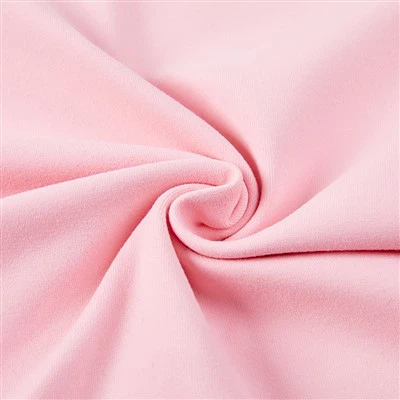
Hey there! As a tights fabric supplier, I've been getting a lot of questions lately about which tights fabric is the most resistant to fraying. It's a great question, and one that I'm more than happy to dive into.
First off, let's talk about what fraying actually is. Fraying happens when the fibers at the edge of a fabric start to come loose and separate. This can make your tights look shabby and can also weaken the fabric over time. So, finding a fabric that resists fraying is super important, especially if you want your tights to last.
One of the most common fabrics used for tights is nylon. Nylon is known for its strength and durability. It has a tight molecular structure that makes it less likely to fray compared to some other fabrics. When you're looking at nylon tights, you'll often find that they have a smooth, shiny finish. This not only looks great but also helps to protect the edges of the fabric. The tight weave of nylon keeps the fibers together, reducing the chances of fraying. For instance, if you're wearing nylon tights for a long - day event, you won't have to worry about them starting to look ragged at the edges.
Another fabric that's a popular choice for tights is polyester. Polyester is another strong and resilient fabric. It's resistant to stretching and shrinking, and it also does a great job of resisting fraying. Polyester Fabric Leggings are often used in athletic wear because of their durability. Polyester fibers are very fine and closely packed, which means that the fabric holds together well. Even with a lot of movement, like when you're running or doing yoga, polyester tights are less likely to fray.
Now, let's talk about a combination fabric that's becoming increasingly popular: nylon - spandex blend. Spandex, also known as elastane, adds stretch to the fabric, making the tights more comfortable to wear. When combined with nylon, you get the best of both worlds. The nylon provides the strength and resistance to fraying, while the spandex gives the tights that stretchy, form - fitting feel. These blends are great for everyday wear, as they can handle all the bending, stretching, and moving that you do throughout the day without fraying easily.
Cotton is a natural fabric that's also used in tights, but it's a bit different when it comes to fraying. Pure cotton tights are more likely to fray compared to synthetic fabrics like nylon and polyester. Cotton fibers are softer and more loosely packed, which means that they can come apart more easily at the edges. However, cotton blends, especially those with a high percentage of synthetic fibers, can be a good option. For example, a cotton - nylon blend can offer the comfort of cotton with the added durability and fray - resistance of nylon.
When it comes to choosing the most fray - resistant tights fabric, it also depends on how you take care of your tights. Washing them gently, using a mild detergent, and avoiding high - heat drying can all help to extend the life of your tights and reduce the risk of fraying. For instance, if you're using a washing machine, put your tights in a mesh laundry bag to protect them from getting caught on other items and snagged.
If you're into yoga or other fitness activities, you might want to consider Comfortable Yoga Pants Fabric. This type of fabric is usually designed to be stretchy, breathable, and durable. It often has a high percentage of synthetic fibers like nylon and polyester, which means it's less likely to fray even with all the intense stretching and movement during a workout.
As a tights fabric supplier, I've seen firsthand how different fabrics perform in real - world situations. I've worked with customers who have used our Tights Fabric for various purposes, from everyday wear to high - end fashion pieces. And based on their feedback, the nylon - spandex blends and pure polyester fabrics tend to be the top choices for fray - resistance.
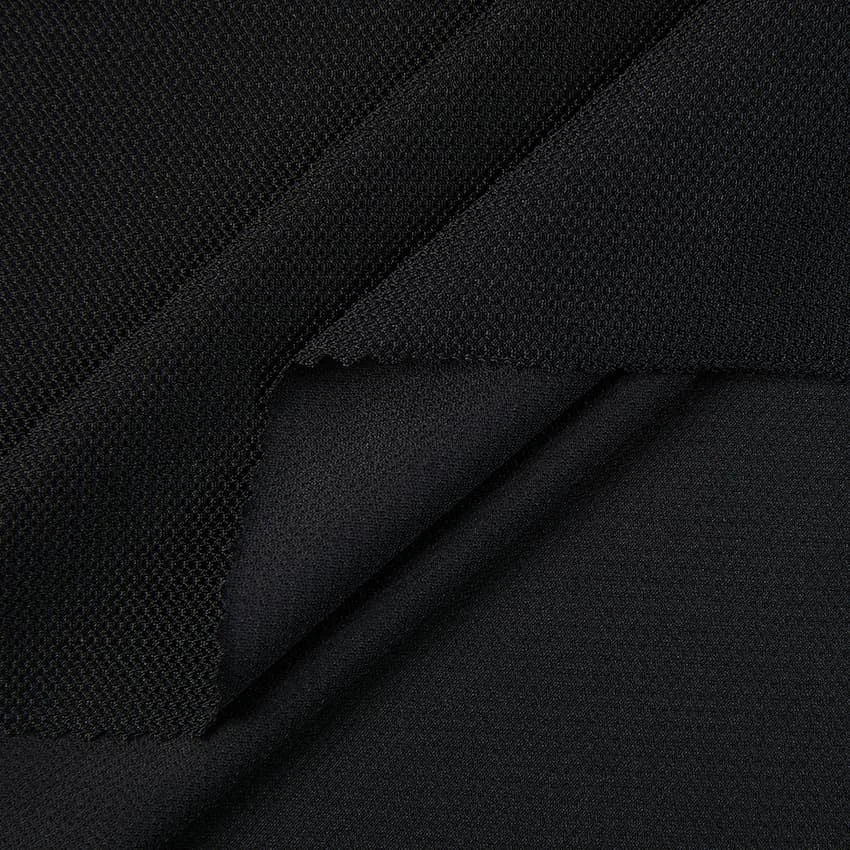

If you're in the market for tights fabric that won't fray easily, I'd recommend giving nylon, polyester, or nylon - spandex blends a try. These fabrics offer a great combination of durability, comfort, and style. Whether you're a fashion designer looking for the perfect fabric for your next collection or a retailer wanting to stock high - quality tights, I've got the right fabric for you.
So, if you're interested in learning more about our tights fabric options or want to place an order, don't hesitate to get in touch. We can discuss your specific needs and find the best fabric solution for you. Whether it's for a small project or a large - scale production, we're here to help.
References:
- Textile Research Journal - Studies on fabric durability and fraying resistance
- Journal of Apparel Science and Technology - Articles on different types of tights fabrics and their properties