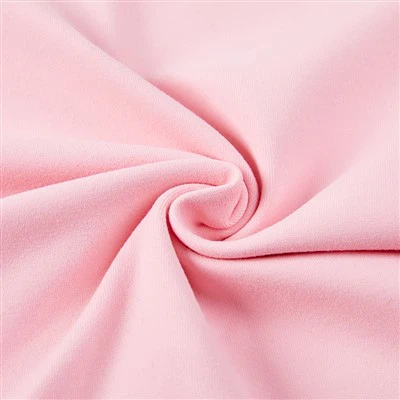
In the realm of shirt fabrics, static electricity can be a nuisance. It not only causes discomfort but also leads to clothing clinging and an overall unkempt appearance. As a shirt fabrics supplier, I've delved deep into the world of textiles to understand if there are indeed anti - static shirt fabrics. This exploration is crucial for both consumers who value comfort and businesses looking to offer high - quality products.
Understanding Static Electricity in Fabrics
Before we discuss anti - static fabrics, it's important to understand how static electricity forms in shirt materials. Static electricity is the result of an imbalance of electric charges within or on the surface of a material. When two different materials come into contact and then separate, electrons can transfer from one material to the other. This creates a positive charge on one material and a negative charge on the other.
In the case of shirt fabrics, friction plays a significant role. For example, when you put on a shirt and it rubs against your skin or other clothing layers, electrons can be transferred. Synthetic fabrics, such as polyester and nylon, are particularly prone to static build - up because they are insulators. They do not allow the easy flow of electrons, causing the charges to accumulate on the fabric's surface.
Common Shirt Fabrics and Their Static Tendencies
Let's take a look at some common shirt fabrics and how they behave in terms of static electricity:

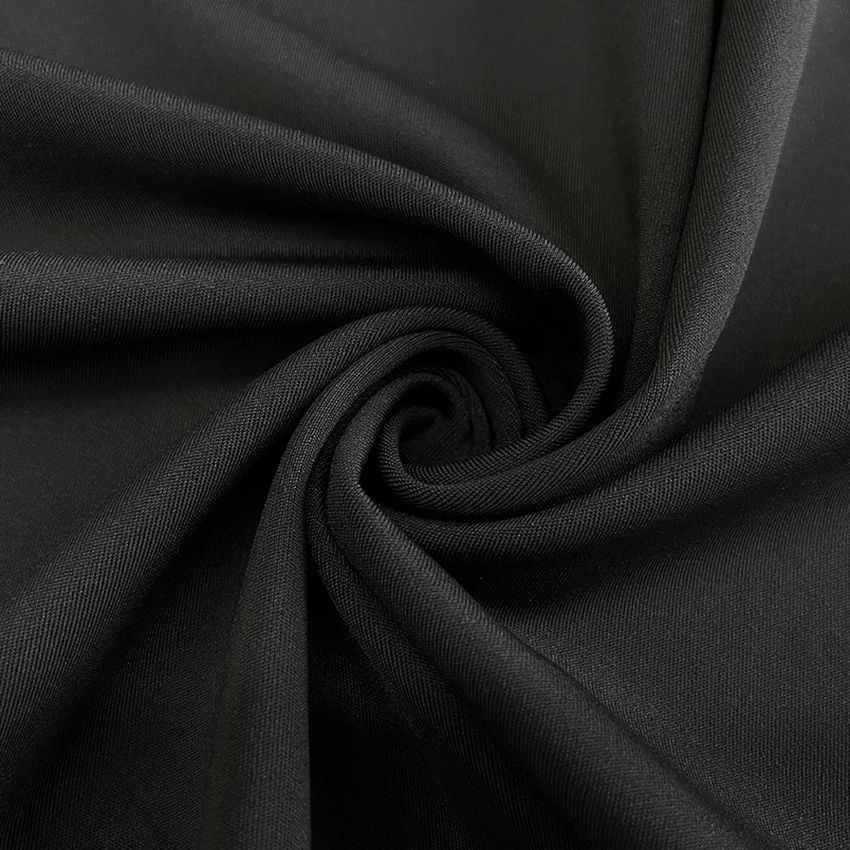
Cotton
Cotton is one of the most popular shirt fabrics. It is a natural fiber that is breathable and comfortable. Cotton has relatively low static - generating properties compared to synthetic fabrics. This is because cotton can absorb a small amount of moisture from the air, which helps to dissipate the static charges. However, in very dry environments, cotton can still generate some static, but it is generally less of a problem than with synthetics.
Polyester
Polyester is a synthetic fabric known for its durability and wrinkle - resistance. Unfortunately, it is also a major culprit when it comes to static electricity. Polyester fibers are hydrophobic, meaning they do not absorb moisture well. As a result, static charges tend to build up on the fabric surface, especially when the air is dry. This can lead to the fabric clinging to the body and attracting dust and lint.
Wool
Wool is another natural fiber used in shirt fabrics. It has some unique properties when it comes to static. Wool fibers have a natural crimp, which can trap air and moisture. This can help to reduce static build - up to some extent. However, wool can also generate static, especially when it is rubbed against other materials. Additionally, in dry conditions, wool may still exhibit static cling.
Anti - Static Shirt Fabrics
So, are there any anti - static shirt fabrics? The answer is yes. There are several ways to create anti - static shirt fabrics:
Treated Fabrics
One approach is to treat regular fabrics with anti - static agents. These agents work by either making the fabric more conductive or by reducing the friction between the fabric and other surfaces. For example, some chemical treatments can add a thin layer of conductive material to the fabric surface. This allows the static charges to flow away from the fabric, preventing them from building up.
Many shirt manufacturers use these treatments on synthetic fabrics like polyester to make them more anti - static. Treated fabrics can be found in a variety of styles, from dress shirts to casual T - shirts.
Blended Fabrics
Another option is to create blended fabrics. By combining natural fibers like cotton with synthetic fibers, it is possible to reduce the static - generating properties of the synthetic component. For example, a cotton - polyester blend can offer the durability of polyester with the reduced static of cotton. The cotton fibers in the blend can absorb moisture and help to dissipate static charges, while the polyester provides strength and wrinkle - resistance.
Our Offerings as a Shirt Fabrics Supplier
As a shirt fabrics supplier, we offer a range of anti - static shirt fabrics to meet the diverse needs of our customers.
Our Shirting Knit Fabric is a great option for those looking for comfort and style. It is a blend of natural and synthetic fibers, carefully engineered to reduce static build - up. This fabric is soft to the touch and has excellent breathability, making it suitable for everyday wear.
For those who prefer a more technical fabric, our Warp - Knit Polyester Shirt Fabric is treated with an advanced anti - static agent. This fabric retains the durability and wrinkle - resistance of polyester while significantly reducing static cling. It is ideal for work shirts and other applications where functionality is key.
If you're in search of the Most Comfortable T Shirt Material, we have a cotton - based fabric that has been treated to be anti - static. This fabric offers the softness and breathability of cotton, along with the added benefit of reduced static. It is perfect for casual wear, especially in dry environments.
Benefits of Using Anti - Static Shirt Fabrics
There are several benefits to using anti - static shirt fabrics:
Comfort
Anti - static fabrics are more comfortable to wear. They do not cling to the body, which can be a major source of discomfort, especially in hot weather. Additionally, they do not attract dust and lint, keeping the shirt looking clean and fresh.
Appearance
Shirts made from anti - static fabrics have a better appearance. They do not have the unsightly static cling that can make the fabric look messy. This is particularly important for dress shirts and professional attire, where a neat appearance is essential.
Durability
Some anti - static treatments can also enhance the durability of the fabric. By reducing the friction between the fabric and other surfaces, the fabric is less likely to wear out quickly. This can extend the lifespan of the shirt, providing better value for the customer.
How to Choose the Right Anti - Static Shirt Fabric
When choosing an anti - static shirt fabric, there are several factors to consider:
Purpose
Think about the purpose of the shirt. If it is for casual wear, you may prioritize comfort and softness. For work or professional use, durability and a neat appearance may be more important.
Climate
The climate in which you will be wearing the shirt also matters. In dry climates, you may need a fabric with stronger anti - static properties. In more humid climates, a fabric with moderate anti - static capabilities may be sufficient.
Style
Finally, consider the style of the shirt. Different fabrics have different drape and texture, which can affect the overall look of the shirt. Choose a fabric that matches your style preferences and the occasion for which you will be wearing the shirt.
Contact Us for Procurement
If you're interested in purchasing anti - static shirt fabrics, we invite you to contact us for procurement. Our team of experts can help you choose the right fabric for your needs, whether you're a clothing manufacturer looking to produce a large quantity of shirts or an individual looking for a high - quality fabric for a custom - made shirt. We offer competitive prices, excellent customer service, and a wide range of fabric options.
References
- Textile Chemistry and Technology, Second Edition by Howard M. Mark, J. E. K. Hearle, and B. C. Goswami
- Handbook of Fiber Chemistry, Third Edition by Menachem Lewin
- The Technology of Textile Fibres by S. M. Burkinshaw