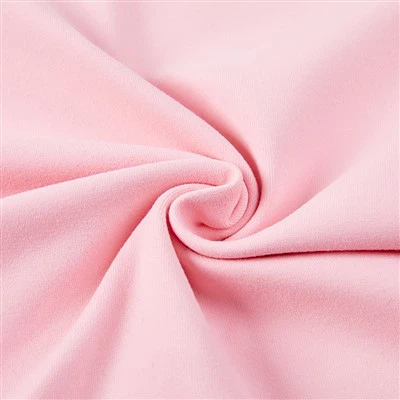
When it comes to choosing the right sportswear fabric, there are numerous factors to consider. As a sportswear fabric supplier, I've witnessed firsthand how the right fabric can transform a piece of sportswear from ordinary to extraordinary. In this blog, I'll share some insights on how to make an informed decision when selecting sportswear fabric.
Comfort First: The Foundation of Great Sportswear
Comfort is non - negotiable when it comes to sportswear. Athletes need to focus on their performance, not on how uncomfortable their clothes are. A fabric that is soft against the skin reduces irritation and chafing, allowing for a full range of motion.


Cotton is a classic choice known for its softness and breathability. It absorbs moisture from the body, keeping the wearer dry. However, it does have its drawbacks. Cotton takes a long time to dry once it gets wet, and it can become heavy, which might be a hindrance during intense physical activities. This is where synthetic fabrics often shine.
Polyester is a popular synthetic fabric in the sportswear industry. It wicks moisture away from the body and evaporates it quickly, keeping the athlete dry and comfortable. Polyester is also lightweight, durable, and resistant to wrinkles. It can stretch and recover its shape, providing flexibility during movements. For those looking for fabrics that offer quick - drying and long - lasting performance, polyester - based fabrics are a top choice. You can explore our Athletic Jersey Fabric, which combines the benefits of polyester for excellent moisture - wicking and durability.
Stretchability for Enhanced Mobility
The ability to move freely is crucial for any athlete. Whether it's running, jumping, or making quick, sharp turns, sportswear should not restrict movement. This is where stretch fabrics come into play.
A 4 Way Stretch Fabric for Sportswear is a game - changer. As the name suggests, it stretches in four directions—up and down, and side to side. This allows for a full range of motion in every direction. Spandex is a common fiber used in creating stretch fabrics. When blended with other fibers like polyester or nylon, it provides both stretch and support.
For example, in sports such as yoga or dance, where fluid and unrestricted movement is essential, sportswear made from 4 - way stretch fabrics ensures that the athlete can perform complex poses and movements with ease. But it's not just for these low - impact sports. High - intensity sports like basketball also benefit from stretchy fabrics. Basketball players need to be able to jump, pivot, and make rapid lateral movements. A Fabric for Basketball Jersey with good stretchability can keep up with these dynamic movements, providing the player with a competitive edge.
Breathability to Regulate Body Temperature
During physical activity, the body generates heat. If the sportswear fabric doesn't allow for proper ventilation, the athlete can overheat, leading to discomfort and potentially reduced performance. Breathable fabrics allow air to circulate through the fabric, releasing heat and moisture.
Mesh fabrics are excellent for enhancing breathability. They have a variety of hole sizes that allow air to flow freely. Mesh is often used in areas where the body tends to sweat the most, such as under the arms, on the back, or in the chest area of sportswear. Some fabrics also have special technologies that enhance their breathability. For instance, some synthetic fabrics are engineered with micro - porous membranes that allow moisture vapor to escape while keeping water out, ensuring a comfortable body temperature in different weather conditions.
Durability for Long - Lasting Performance
Athletic activities can be tough on sportswear. Whether it's abrasion from equipment, friction during movement, or repeated washing, the fabric needs to withstand the wear and tear.
Nylon is a very durable synthetic fiber. It is resistant to abrasion, making it suitable for sports where the athlete may come into contact with rough surfaces, such as cycling or mountain biking. Nylon also dries quickly and has good elastic recovery. When combined with other fibers like spandex, it can create a fabric that is both durable and stretchy.
Another factor in durability is the quality of the fabric construction. A tight weave or knit can enhance the fabric's strength. For example, twill weaves are often more durable than plain weaves as they have a more complex interlacing pattern.
Consider the Sport and Environment
The type of sport being played and the environment in which it takes place are also critical factors in fabric selection.
For water sports like swimming or surfing, neoprene is a popular choice. It provides insulation in cold water, buoyancy, and flexibility. However, it may not be suitable for sports played on land as it can be heavy and hot.
In cold weather sports such as skiing or snowboarding, fabrics need to provide insulation. Fleece, a soft and warm fabric, is often used as a lining material. It can trap air between its fibers, providing warmth without adding too much weight.
On the other hand, in hot and humid environments, lightweight, breathable, and moisture - wicking fabrics are essential. They help the athlete stay cool and dry, preventing heat - related illnesses.
Aesthetics and Style
While performance is the primary concern, aesthetics also play a role in sportswear. The fabric should be able to hold colors well and maintain its appearance after multiple washes.
Some fabrics, especially those with advanced dyeing technologies, can produce vibrant and long - lasting colors. This is important for team sports, where uniforms need to look sharp and professional. Additionally, the texture of the fabric can add to the overall look and feel of the sportswear. Smooth fabrics can give a sleek and modern appearance, while textured fabrics can add a unique touch.
Cost - Effectiveness
Cost is always a consideration, whether you're an individual athlete or a sports team looking to purchase sportswear in bulk. While high - performance fabrics may come with a higher price tag, it's important to weigh the cost against the benefits.
Sometimes, a slightly more expensive fabric can offer better performance, durability, and comfort, which can lead to a longer lifespan for the sportswear. This means fewer replacements over time, potentially saving money in the long run. As a sportswear fabric supplier, we offer a range of fabrics at different price points to meet the diverse needs and budgets of our customers.
Conclusion
Choosing the right sportswear fabric is a multi - faceted decision. It requires considering factors such as comfort, stretchability, breathability, durability, the sport and environment, aesthetics, and cost - effectiveness. As a sportswear fabric supplier, we understand the importance of these factors and strive to provide high - quality fabrics that meet the needs of athletes and sports enthusiasts.
If you're in the process of selecting sportswear fabric for your team, brand, or personal use, we'd love to discuss your requirements. We can offer expert advice and samples to help you make an informed decision. Contact us to start the conversation about finding the perfect fabric for your sportswear needs.
References
- Sports Apparel: Technology and Comfort. Woodhead Publishing.
- Textiles for Sportswear: Market Analysis and Developments. Smithers Rapra.